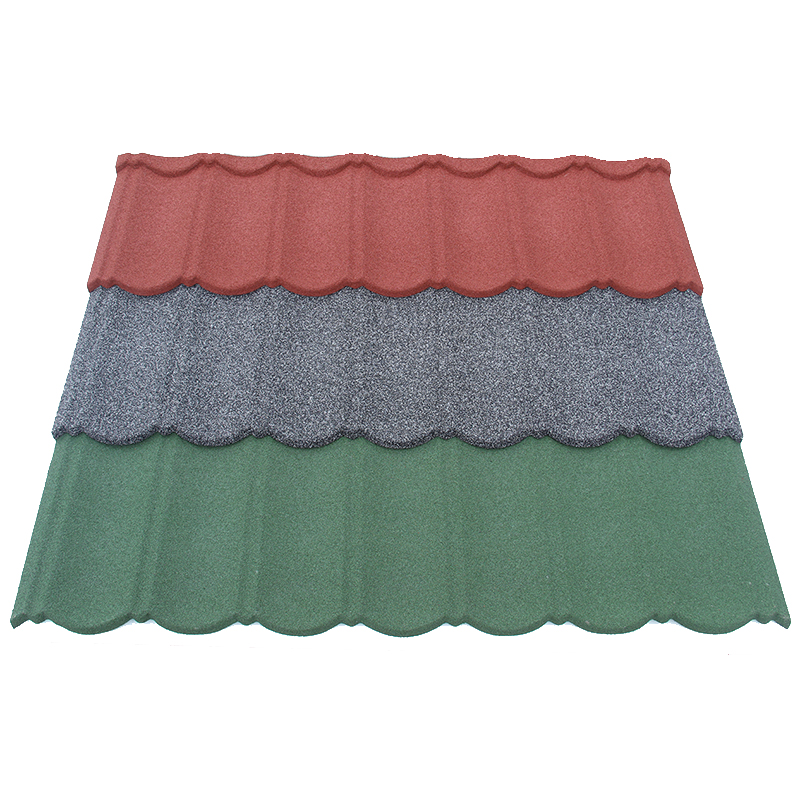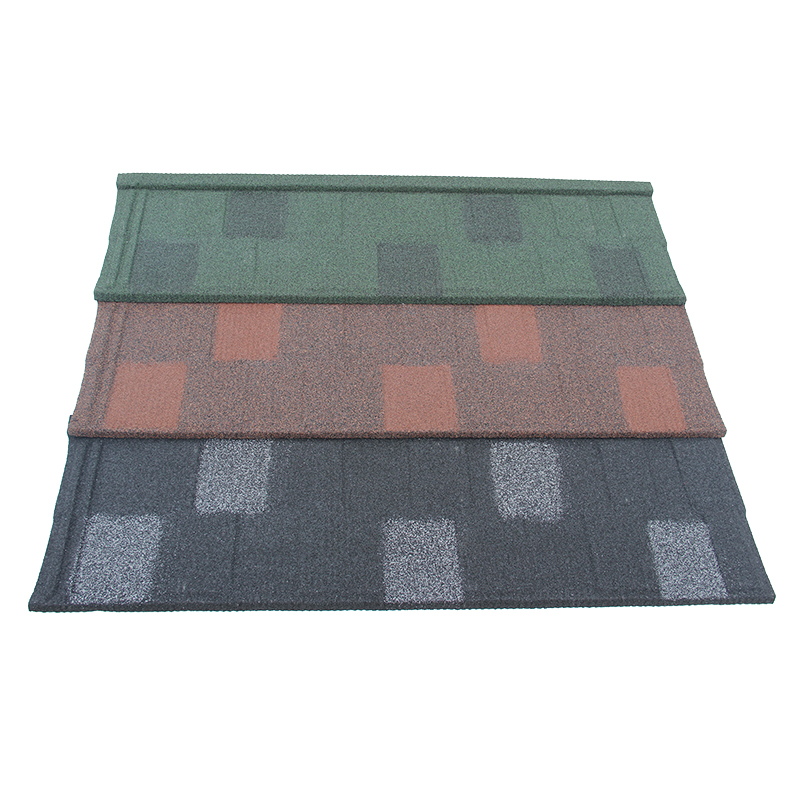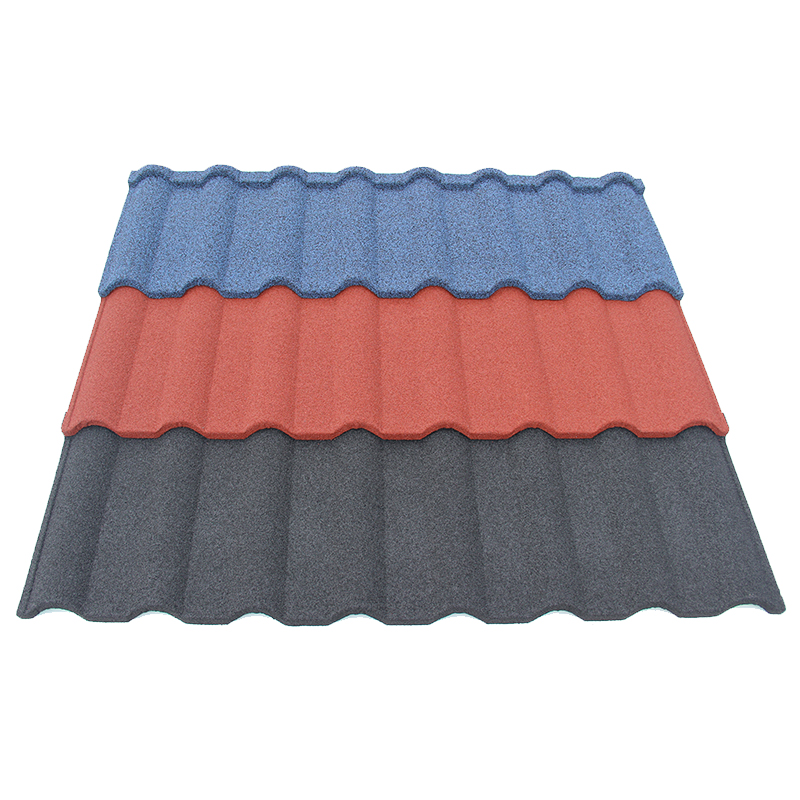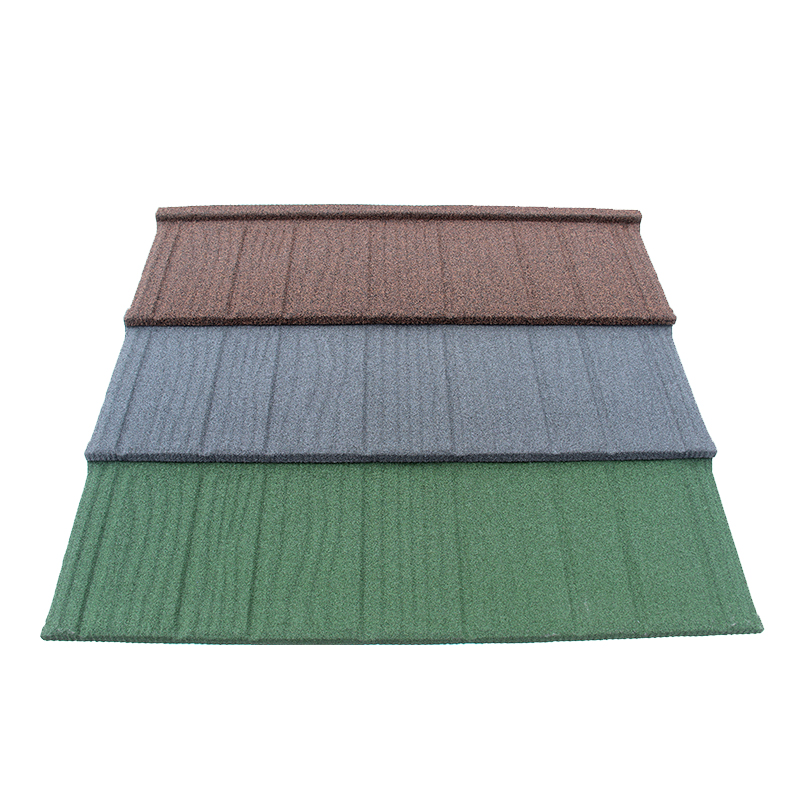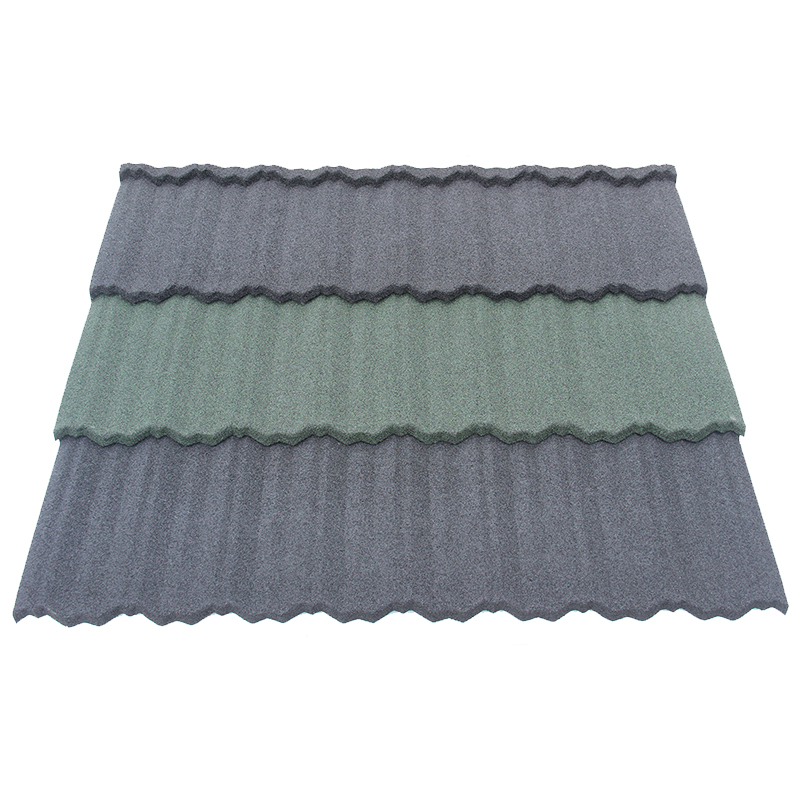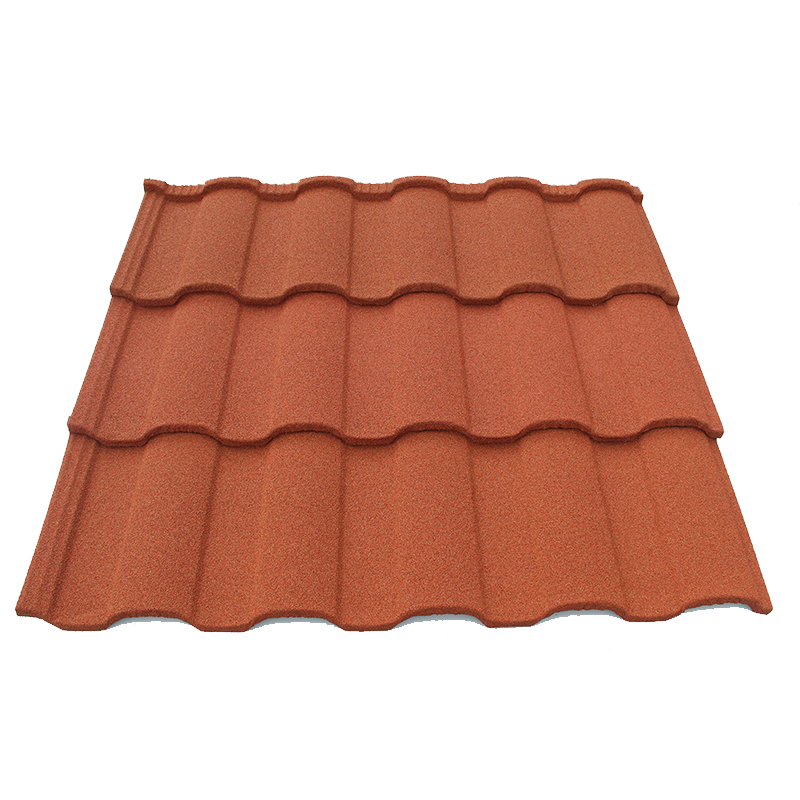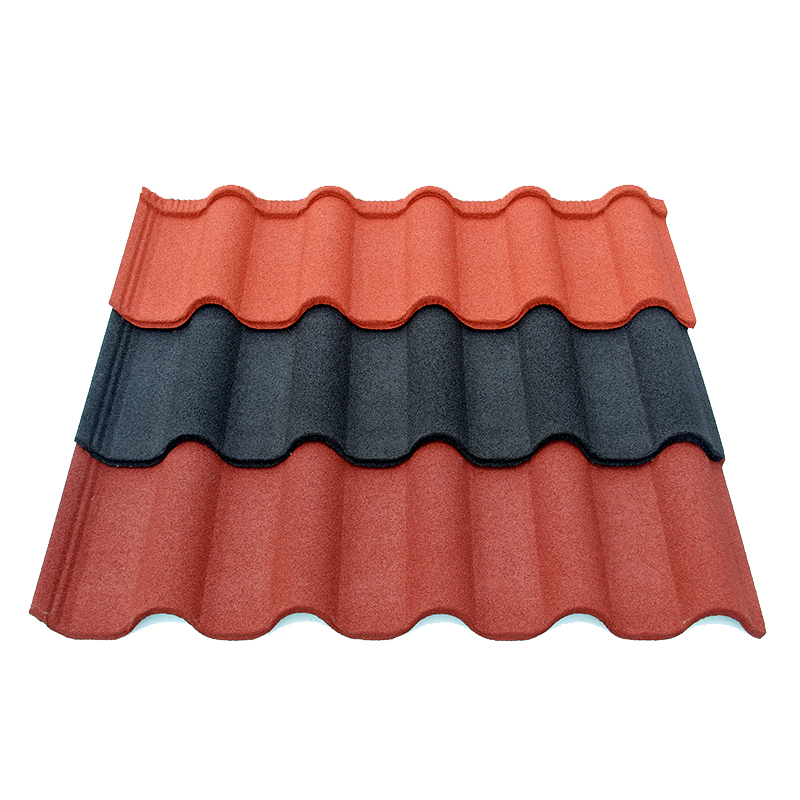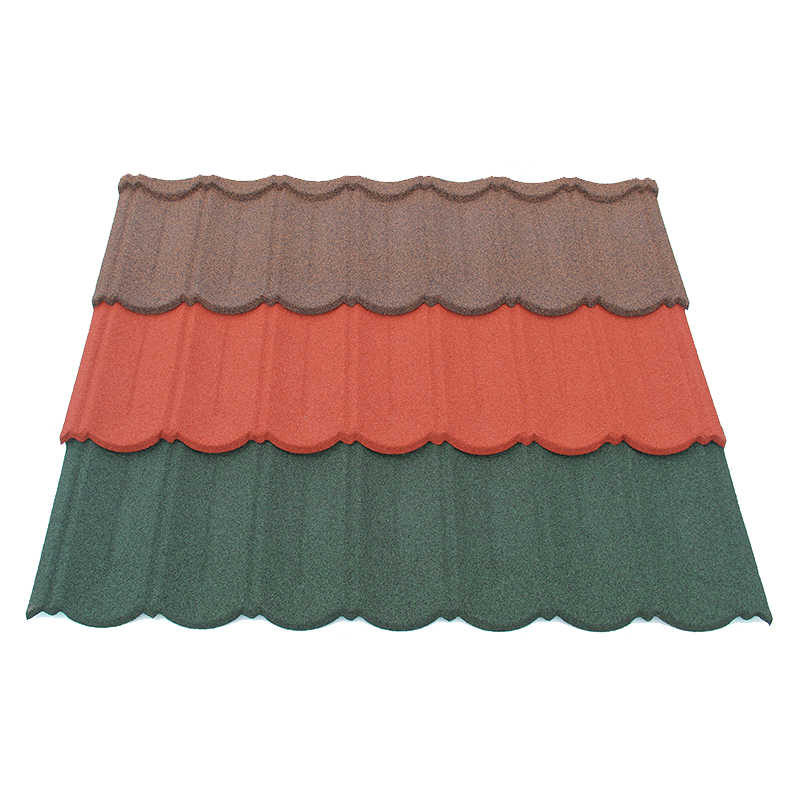


For building material distributors, understanding the architectural limits of a product is essential for risk management. Specifically, determining if stone coated roofing on low-slope roof installations are feasible requires a forensic look at water drainage physics. Standard modular metal tiles are primarily designed for pitched surfaces where gravity facilitates rapid runoff. However, with the correct structural modifications and underlayment protocols, these steel composites can perform exceptionally well on moderate inclines. This technical audit explores the engineering requirements and flashing logic needed to safeguard low-slope building envelopes from moisture intrusion.
Establishing the 12-Degree Threshold for Safety
The primary engineering constraint for metal building materials is the minimum drainage angle. Generally, most experts suggest that stone coated roofing on low-slope roof projects should maintain at least a 12 to 15-degree pitch. For instance, JCROOF technical submittals mandate this threshold to ensure that wind-driven rain does not bypass the interlocking joints. If the pitch is lower than 12 degrees, the risk of water backflow increases significantly. Consequently, a bond tile installation on an ultra-flat surface requires a secondary waterproof membrane to act as a fail-safe against capillary draw during heavy storm events.
Capillary Action Management and the milano tile Interlock
Surface tension plays a massive role in how water behaves on modular panels. In cases of stone coated roofing on low-slope roof applications, capillary action can pull moisture upward through the horizontal laps. Therefore, the deep-curve geometry of a milano tile provides a natural advantage. Specifically, the high-profile design creates a larger air gap between the tile and the substrate. This gap prevents water from being trapped against the roof deck. Furthermore, using specialized sealants at the nose of the tile can provide an additional layer of protection against high-velocity wind-driven rain.
The Structural Role of the Batten System on Low Inclines
Installation logic is the most critical variable for success on moderate slopes. Because drainage is slower on flatter surfaces, the batten grid must be perfectly aligned to prevent localized pooling. Consequently, professional contractors must verify every center-to-center measurement before laying the tiles. If a roman tile is installed on a sub-standard grid, the interlocking “click” may not achieve a monolithic seal. Therefore, the stone coated roofing on low-slope roof installation cost must include a budget for high-precision labor and structural verification to ensure a fifty-year lifecycle without leaks.
Waterproofing Integrity and the shingle tile Underlayment
A secondary drainage plane is non-negotiable for low-incline projects. Since stone coated roofing on low-slope roof setups face slower runoff, the quality of the breathable underlayment becomes the primary defense. For a sleek shingle tile, we recommend a self-adhering high-temperature membrane. Specifically, JCROOF laboratory data confirms that this dual-barrier approach prevents rot in the wooden rafters even if moisture penetrates the primary steel shield. Thus, the building maintains its thermal efficiency while protecting the interior assets from the long-term effects of hygroscopic stress.
Comparative Matrix: Low-Slope Feasibility vs. Pitch Angle
Strategic procurement requires benchmarking material physics against architectural reality. Use the following matrix to guide your technical recommendations for stone coated roofing on low-slope roof projects across different geographic zones.
| Roof Pitch Angle | Feasibility Level | Required Modification |
|---|---|---|
| Above 20 Degrees | Optimal. | Standard breathable underlayment. |
| 12 – 20 Degrees | Feasible. | Self-adherent high-temp membrane. |
| Below 12 Degrees | High Risk. | Structural pitch adjustment needed. |
| Fastening Direction | All Inclines. | Horizontal Nose-Fix (Shear). |
Professional FAQ: Solving Low-Slope Field Challenges
Success in complex construction depends on translating technical specs into field performance. Many problems attributed to stone coated roofing on low-slope roof projects are actually symptoms of poor gutter hygiene or blocked drainage channels. By providing on-site technical audits, you establish your firm as a technical authority. Furthermore, educating crews on the “weather-stop” lip bending technique is vital for valleys and hips. These insights help procurement managers defend high-quality building material choices to project stakeholders and ensure a durable outcome for the property owner.
Can Snow Loads Cause Leaks on Low-Slope Metal Roofs?
Fortunately, the answer is no if the system is correctly engineered. Because stone coated metal is high-tensile G300 structural steel, it can support massive weight without deformation. However, in stone coated roofing on low-slope roof setups, snow might linger longer before melting. Therefore, the batten grid must be strong enough to resist the static load. Additionally, the 800°C sintered stone granules provide a rugged shield against ice dams. Consequently, the roof maintains its architectural hue and water-tight integrity throughout the harshest winters, protecting the investment for decades.
Final Procurement Action Plan
Maximizing your ROI on low-incline projects requires a shift to technical “spec-buying.” Focus your audit on Aluzinc GSM (AZ150), G300 structural ductility, and the thickness of the polymer overglaze. These engineering pillars ensure that stone coated roofing on low-slope roof applications remain a predictable asset rather than a liability. Partnering with professional manufacturers provides the laboratory data needed to win large-scale commercial tenders. Contact our technical team today for a project-specific structural audit and material submittal guide to guarantee site-level success.