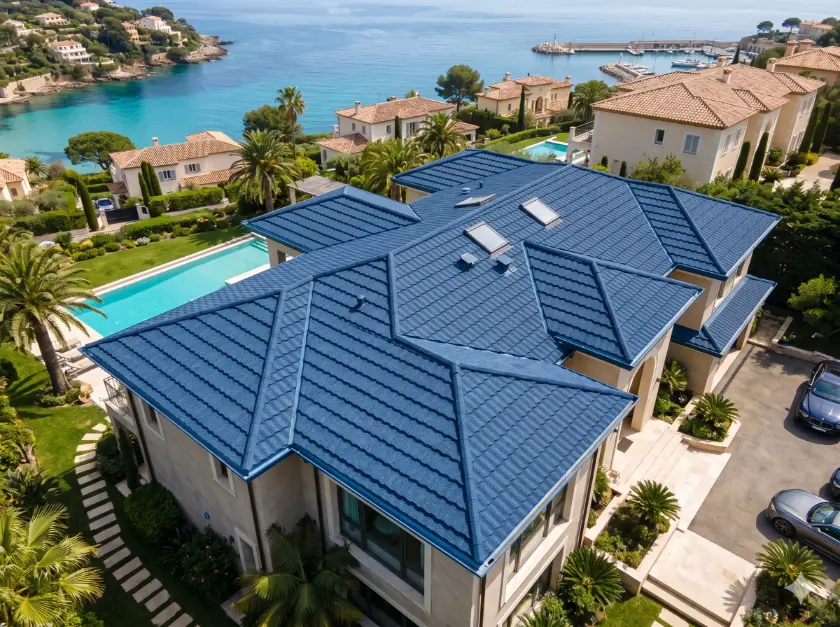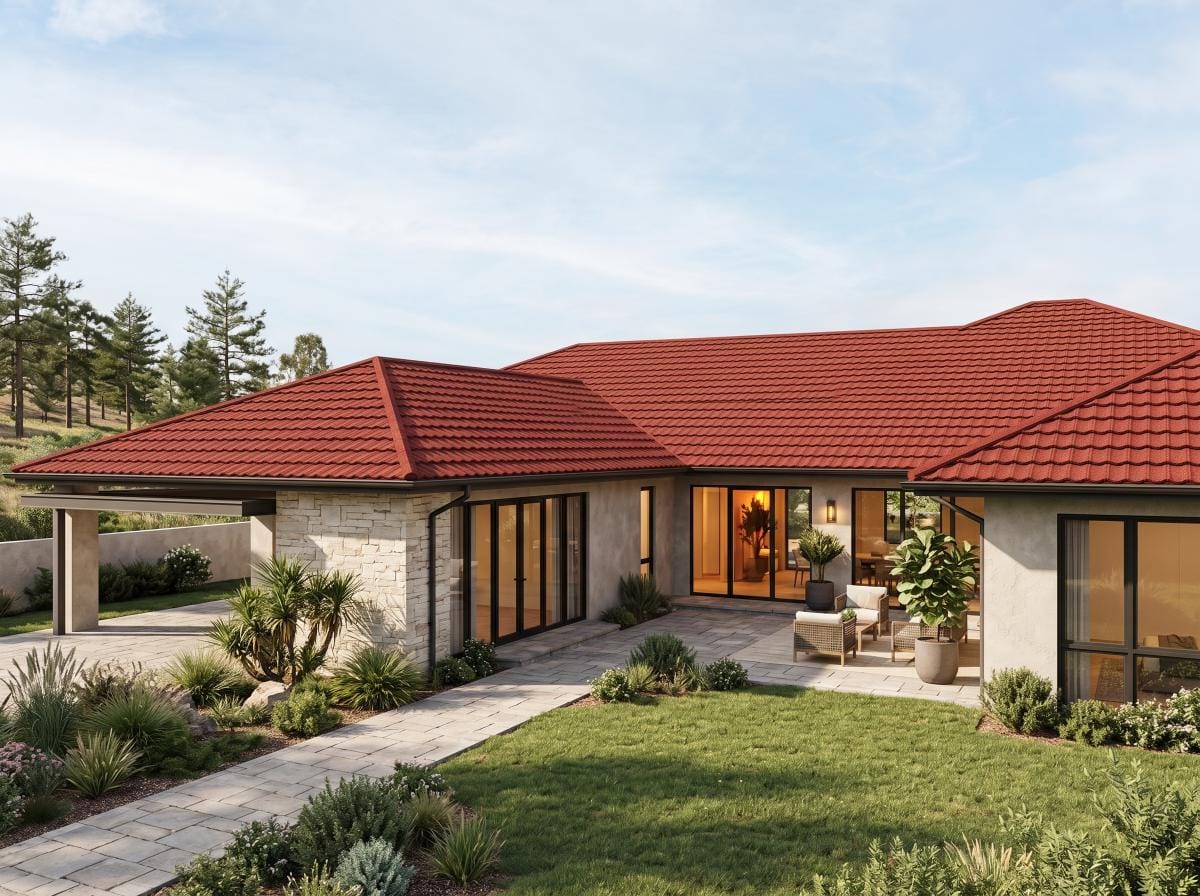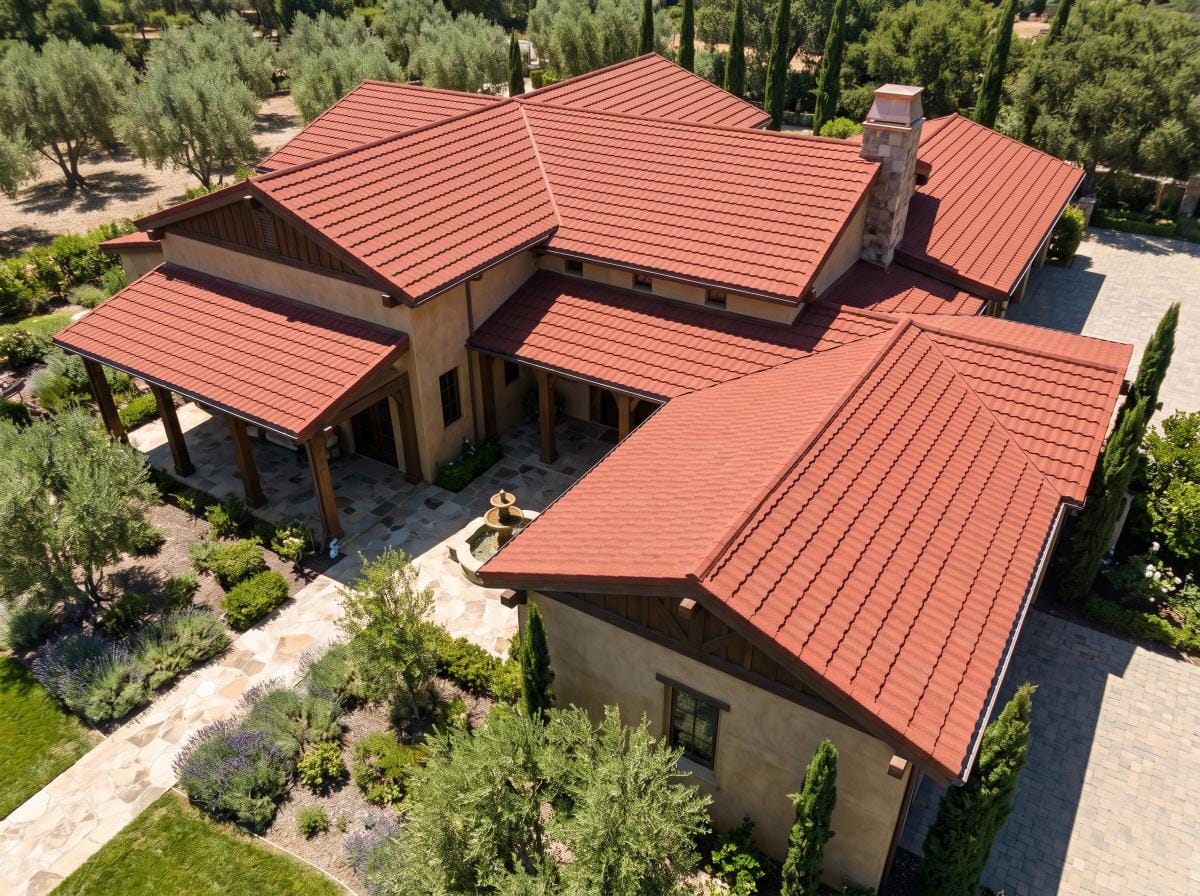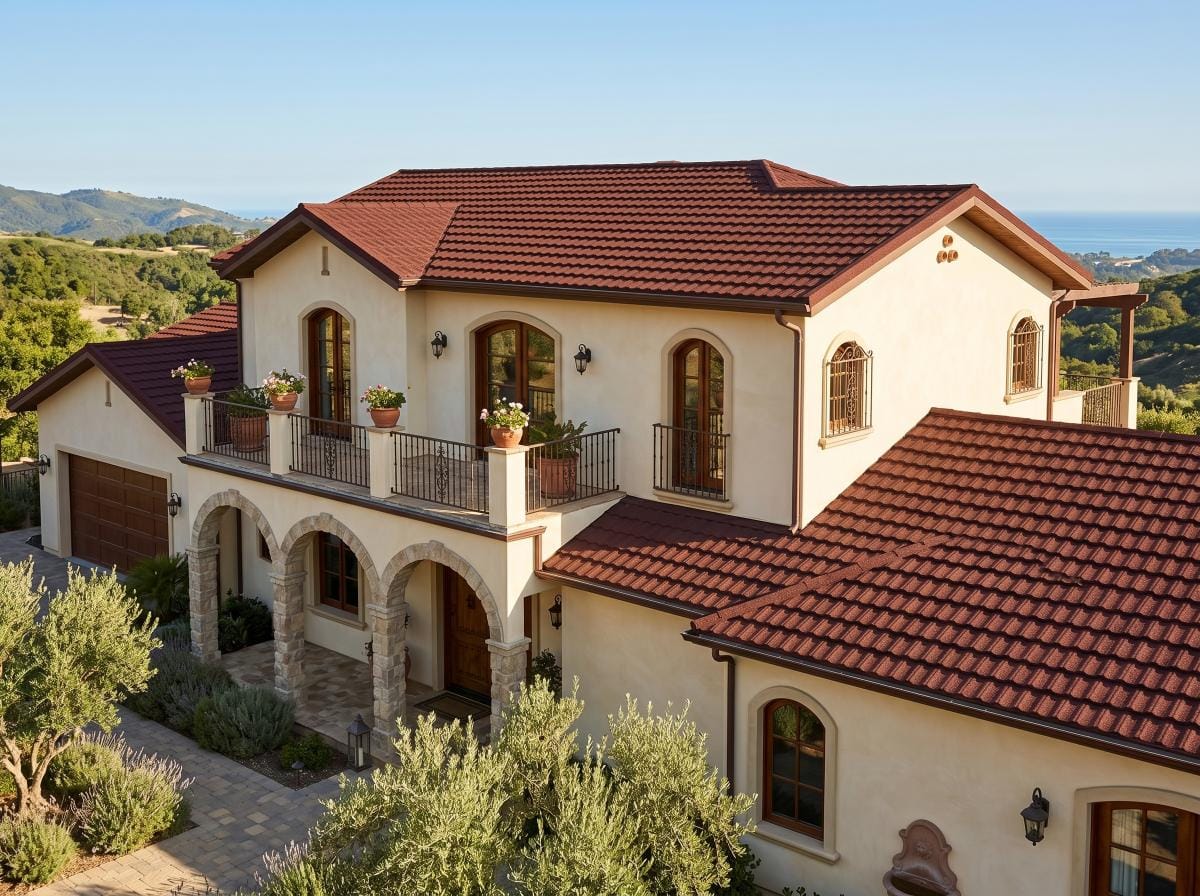

For high-performance building envelopes, the chemical stability of the binding agent is the primary determinant of surface longevity. Understanding how UV radiation affect the acrylic resin coating over 20 years is essential for procurement managers who must guarantee architectural Curb Appeal and structural integrity in high-exposure regions. While standard polymers suffer from rapid photo-oxidation, professional-grade acrylic resins are engineered to resist the scission of molecular chains. This technical audit dissects the polymer science that prevents de-granulation and preserves the interfacial bonding of modular steel roofing systems.
The Physics of Photodegradation: Breaking the Molecular Chain
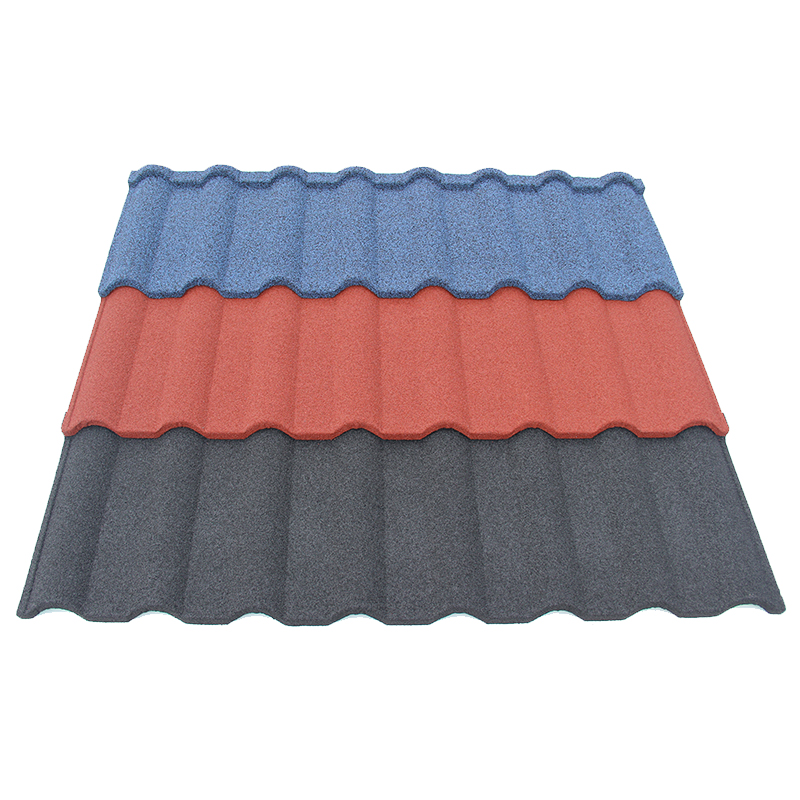
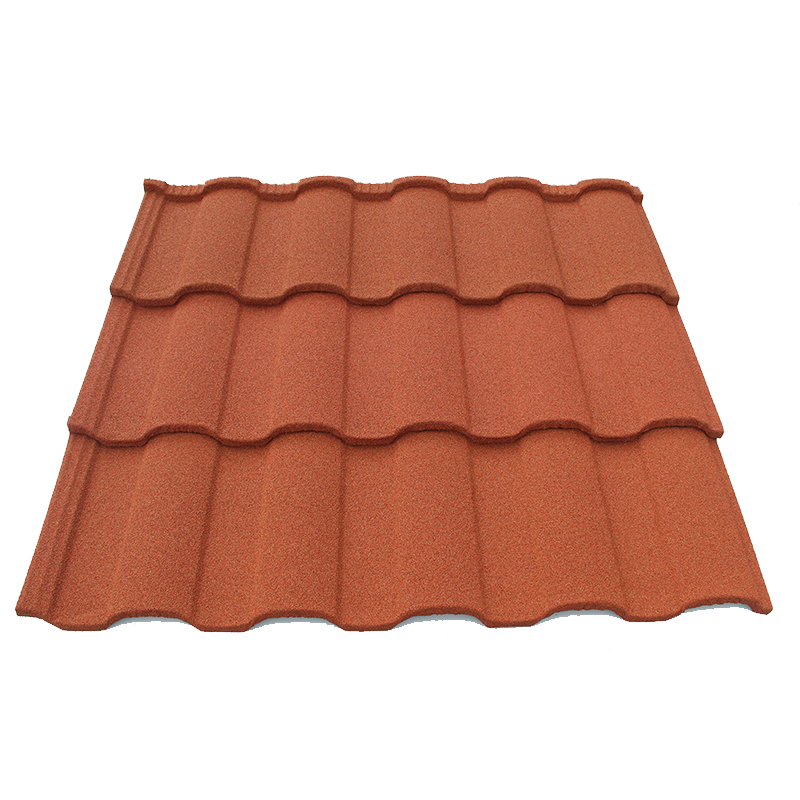
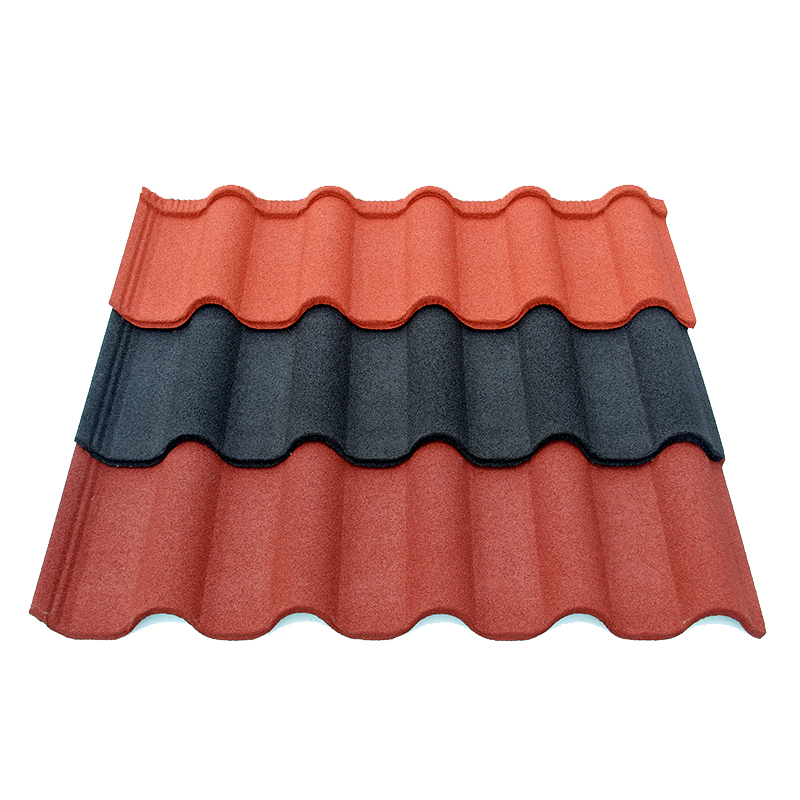
The primary mechanism by which UV radiation affect the acrylic resin coating over 20 years is through the absorption of high-energy photons, which trigger the formation of free radicals. In sub-standard coatings, this energy breaks the carbon-carbon bonds within the acrylic matrix, leading to embrittlement and micro-cracking. JCROOF engineering standards mandate the use of high-solid, 100% pure acrylic resins that incorporate HALS (Hindered Amine Light Stabilizers). This chemical defense ensures that a classic tile profile maintains its flexible mechanical bond, preventing the protective stone granules from shedding during extreme diurnal temperature swings.
Surface Erosion and the milano tile Aesthetic Life
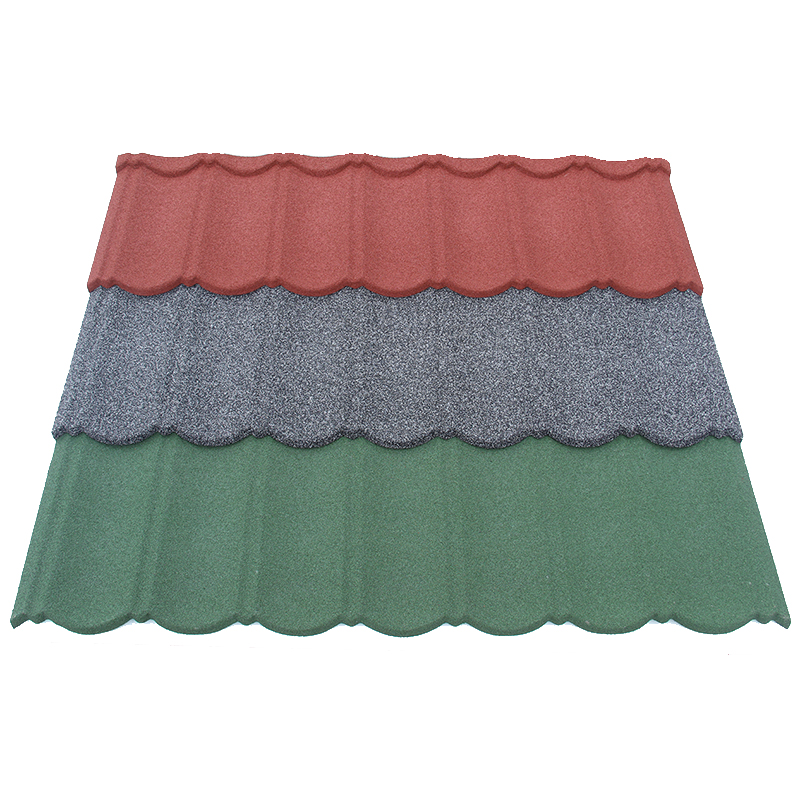
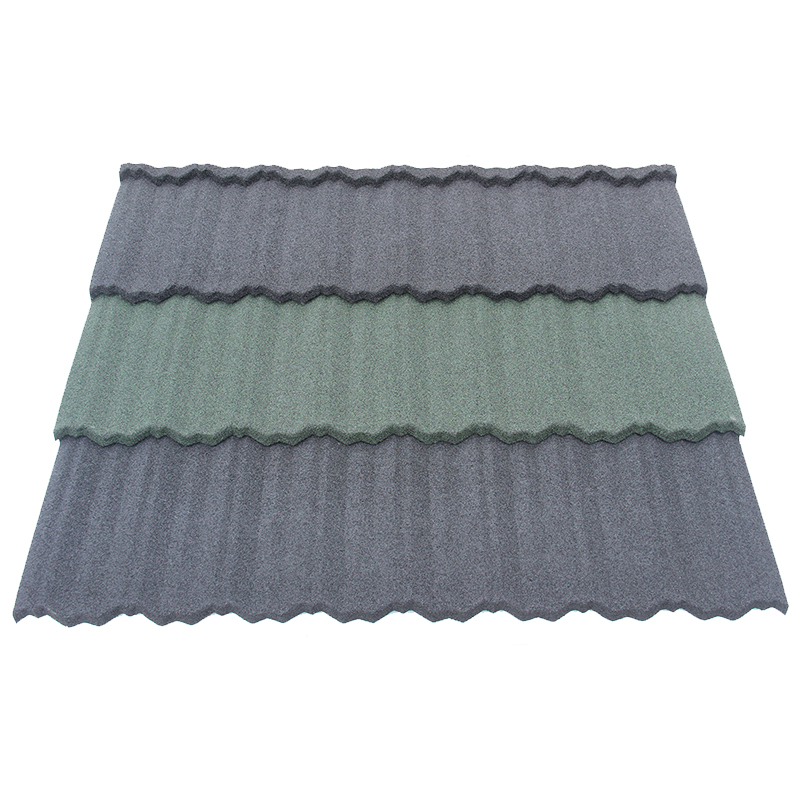
Over a two-decade horizon, persistent solar exposure can lead to surface erosion if the resin’s cross-linking density is insufficient. When analyzing how UV radiation affect the acrylic resin coating over 20 years, it is critical to observe the “chalking” effect where the polymer degrades into a fine powder. A high-specification milano tile utilizes a transparent overglaze that acts as a sacrificial shield, absorbing the initial oxidative stress. This multi-layer defense preserves the underlying stone pigment and maintains the tile’s refractive index, ensuring the roof does not lose its vibrant architectural hue in tropical or desert climates.
Interfacial Bonding: Preserving the Stone-Steel Matrix
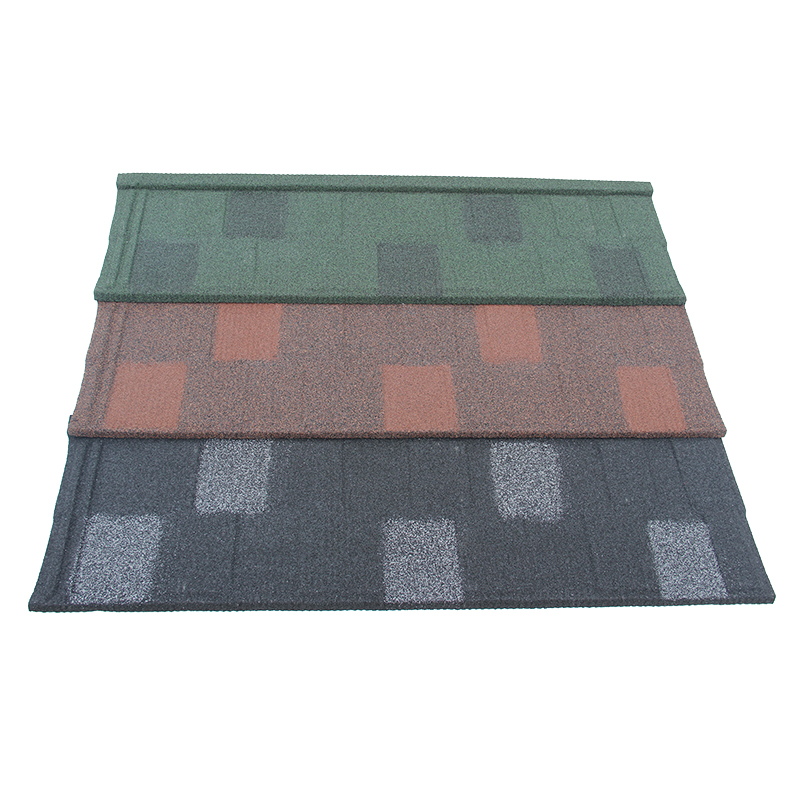
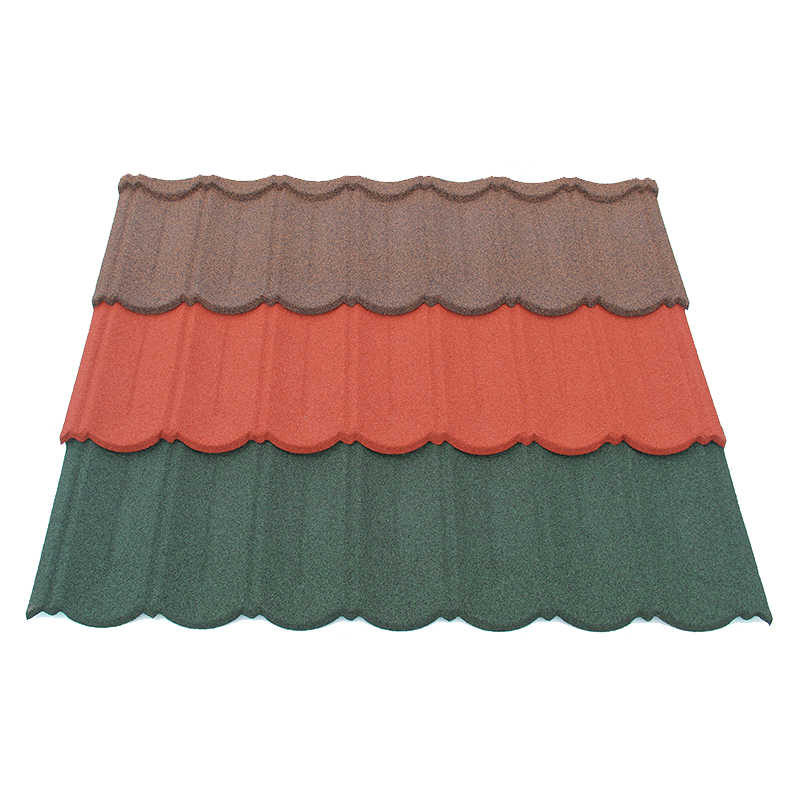
The secondary effect of how UV radiation affect the acrylic resin coating over 20 years is the loss of interfacial adhesion between the Aluzinc substrate and the volcanic granules. If the resin becomes brittle, it can no longer absorb the thermal expansion of the G300 structural steel. JCROOF laboratory data confirms that high-viscosity acrylics with advanced UV-absorbers maintain their “memory” and elasticity for over fifty years. This ensures that even a sleek shingle tile maintains its textured surface and structural diaphragm strength, effectively neutralizing the “balding” phenomenon that plagues budget-tier imports.
Thermal Regulation and Passive Cooling Benefits
A stable acrylic coating does more than just hold stone; it functions as a critical component of the building’s thermal management system. Because the coating remains intact, the roof continues to facilitate passive ventilation through the batten-mounted air gap. When UV radiation affect the acrylic resin coating over 20 years without causing degradation, the roof maintains its high solar reflectance. This prevents the building from becoming a thermal sponge, lowering HVAC operational costs by up to 20% and protecting the attic sub-structure from the hygroscopic stress associated with trapped solar heat.
Comparative Longevity Matrix: Polymer Grade vs. UV Exposure
Strategic procurement requires benchmarking material science against environmental reality. Use the following data to justify the investment in UV-stabilized resins for your next architectural project to ensure the building envelope outlasts the first mortgage cycle.
| Performance Metric | Standard Water-Based Acrylic | Engineering-Grade Resin (JCROOF) |
|---|---|---|
| UV Resistance (HALS) | None or Low. | High Cross-Linking + HALS. |
| 20-Year State | Brittle / Chalking. | Elastic / Intact. |
| Stone Retention | Poor (Balding risk). | Extreme (Mechanical Lock). |
| Core Protection | Exposed to moisture. | Permanent Aluzinc Shield. |
Professional FAQ: Solving the UV Degradation Dilemma
Successful facility management depends on the ability to translate technical specifications into field-level action. Many “failures” reported as stone coated steel roofing problems are actually symptoms of purchasing sub-standard 0.30mm steel with low-solid resins. By providing technical training and adhering to the “shear fastening” protocol, you establish your firm as a technical authority. These insights help procurement managers defend high-quality building material choices and ensure a profitable, durable outcome for the property owner in high-UV geographic zones.
Final Procurement Action Plan
Neutralizing the negative ways UV radiation affect the acrylic resin coating over 20 years requires a shift to “spec-buying.” Focus your technical audit on Aluzinc GSM (AZ150), G300 structural ductility, and the 100% pure acrylic cross-linking benchmarks of the resin. These engineering pillars support a roofing system that will outlast any bitumen-based alternative. Partnering with professional manufacturers provides the laboratory data and technical manuals needed to win large-scale government and commercial tenders. Contact our technical team today for a project-specific structural audit and material submittal guide.