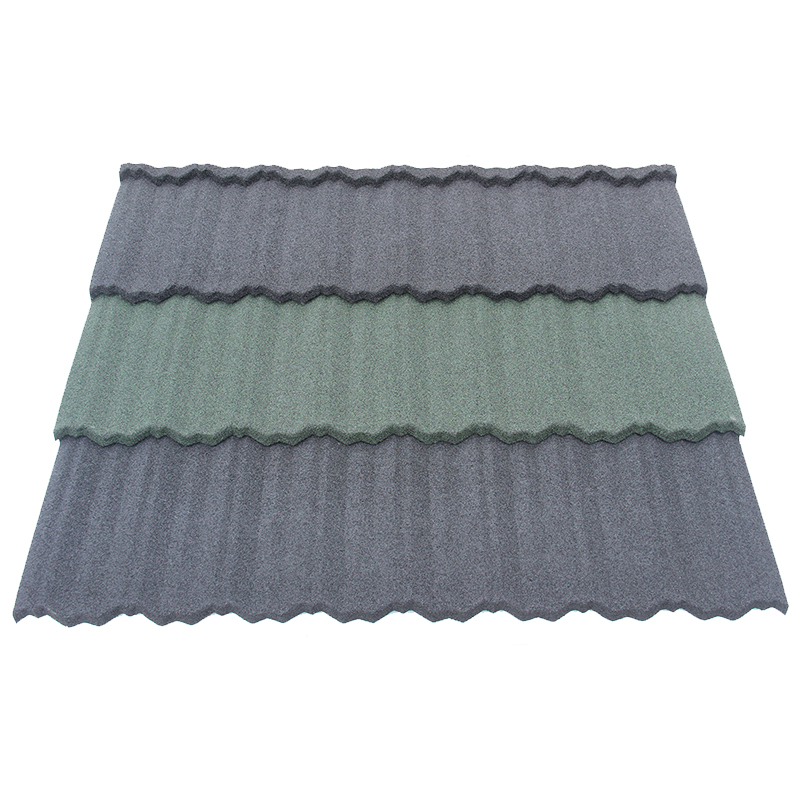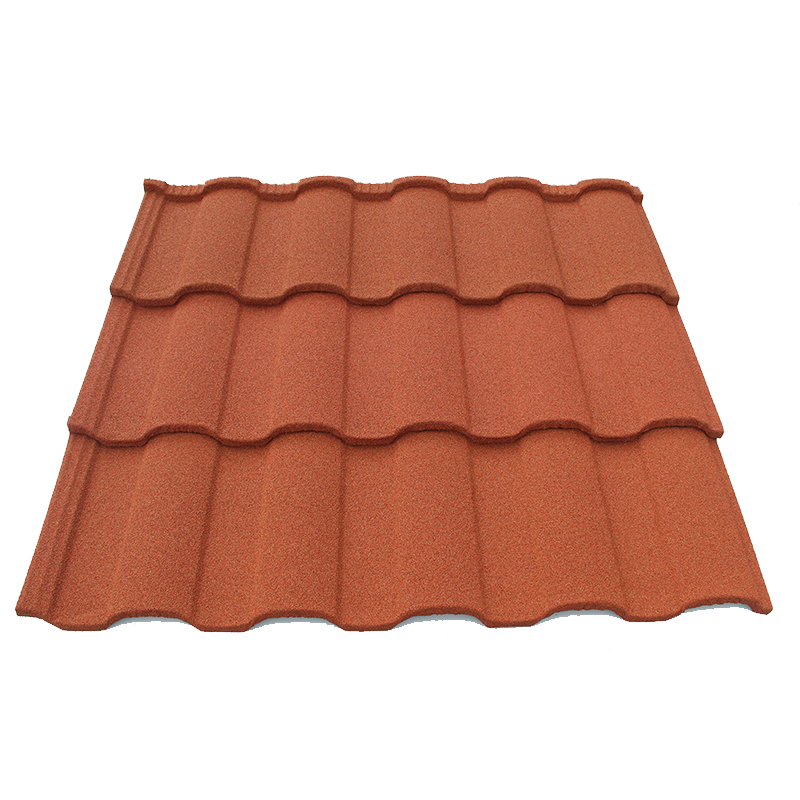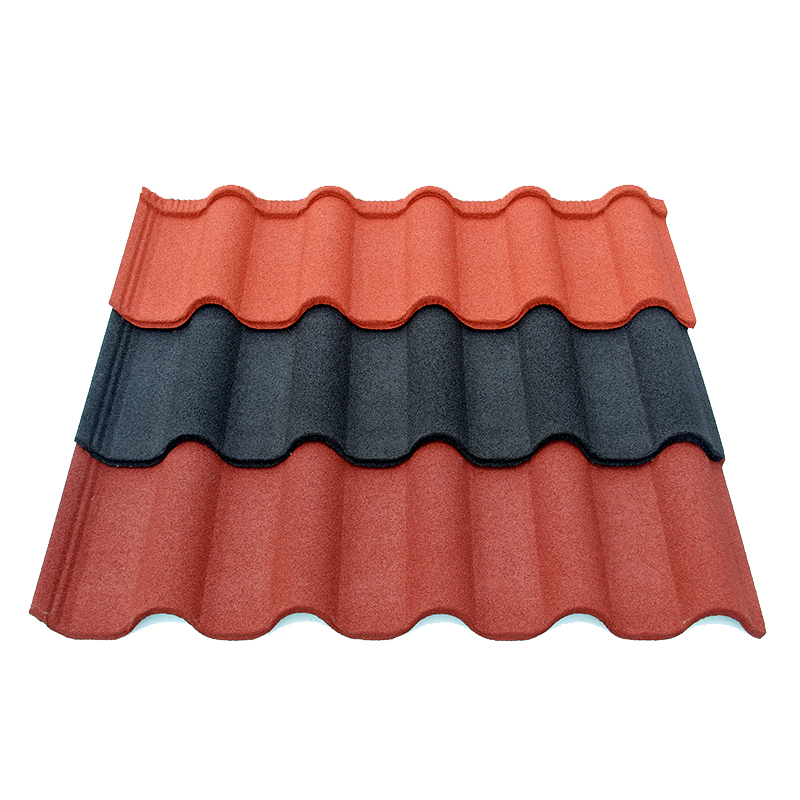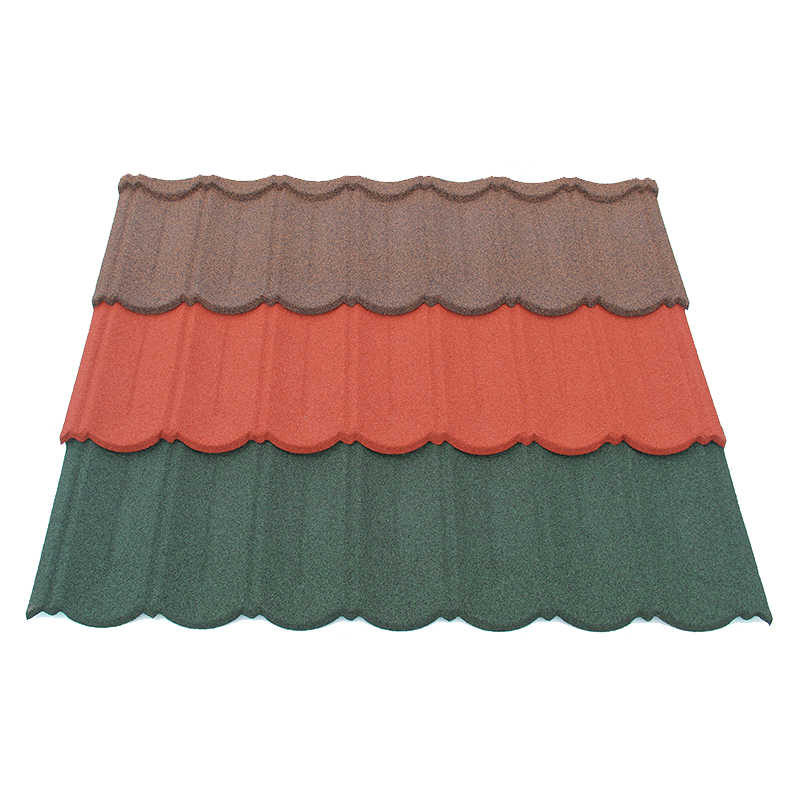


The transition to modular steel composites requires a forensic commitment to engineering precision. While the material itself is designed for a fifty-year lifecycle, common mistakes in metal roof installation can trigger systemic failures such as localized leaking, premature oxidation, or wind-uplift panels. For contractors, understanding the relationship between batten grid geometry and mechanical fastening is the only way to ensure a zero-defect building envelope. This guide identifies the primary field errors and provides the data-driven protocols needed to safeguard your firm’s reputation and the owner’s capital investment.
Mistake 1: Batten Grid Misalignment and Interlocking Failure
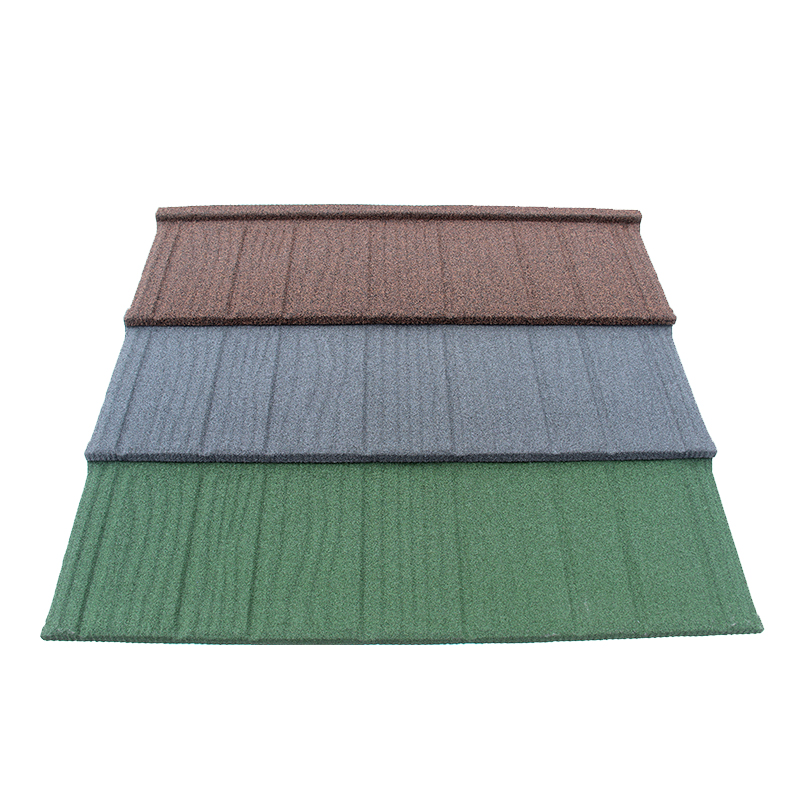
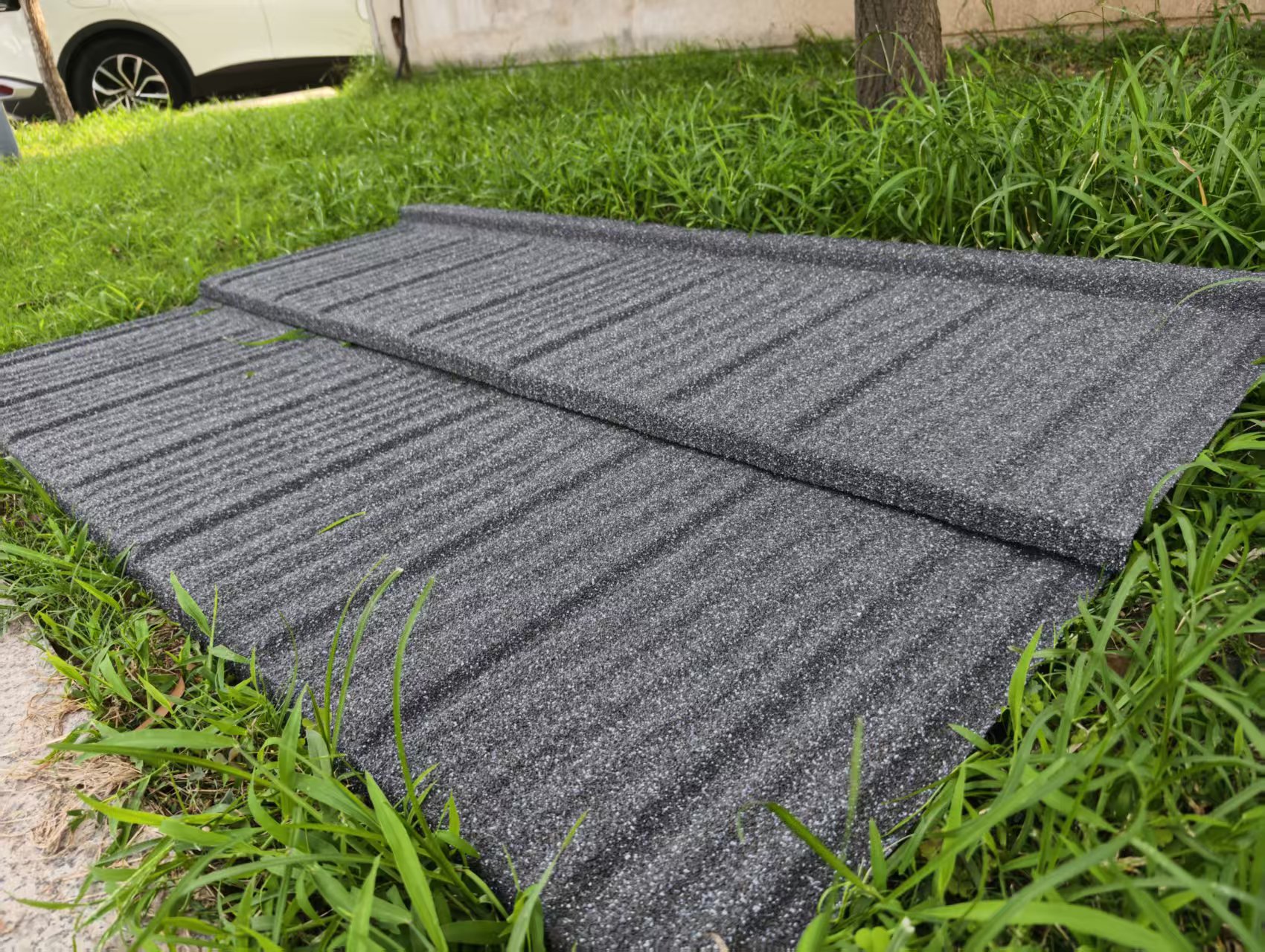
The most frequent of the common mistakes in metal roof installation is the lack of precision during the battening phase. Unlike asphalt shingles that tolerate slight overlaps, a stone-coated bond tile requires a strict center-to-center spacing—typically 370mm. If the battens are not perfectly parallel, the tiles will fail to nest into the previous course, creating a “mechanical gap.” This gap acts as an air-scoop during storms and allows wind-driven rain to bypass the secondary underlayment. Use a dedicated spacing jig to verify every row before laying the first course of tiles.
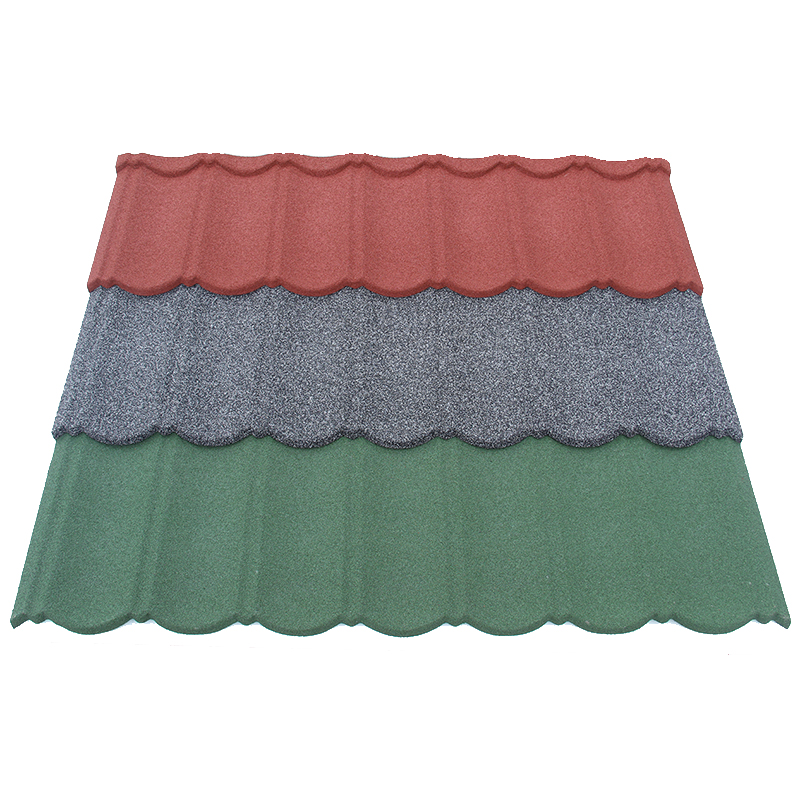
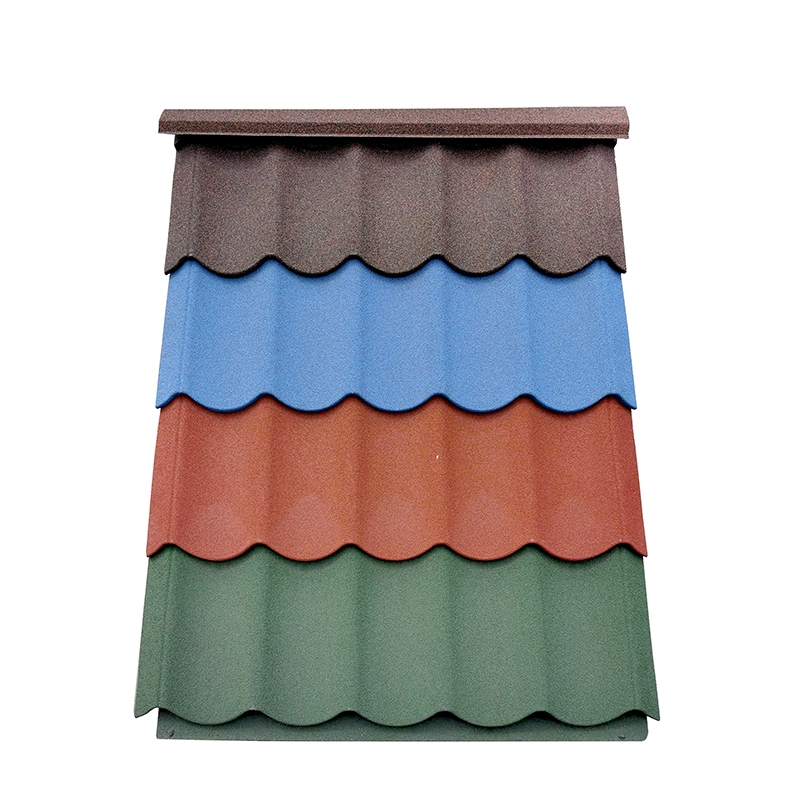
Managing the Unique Curves of the milano tile
When installing high-profile designs, many crews fail to account for the starter batten’s height adjustment. For a milano tile, the first course at the eave must be supported by a batten that is approximately 10mm higher than the standard grid to prevent the “nose” of the tile from drooping. Ignoring this adjustment is a prevalent error among common mistakes in metal roof installation, as it leads to an uneven roofline and compromised drainage at the gutter line. JCROOF technical submittals emphasize that a level starter row is the foundation of a successful interlocking shield.
Mistake 2: Incorrect Fastening Logic and Shear Strength Neglect
The structural brilliance of modular metal roofing lies in its horizontal “nose-fastening” protocol. One of the critical common mistakes in metal roof installation is driving nails vertically through the face of the tile into the top of the batten. This placement relies on the nail’s tension to resist wind uplift, which is the weakest mechanical state. High-performance engineering dictates that the fasteners must be driven into the side of the batten, placing the nail in shear strength. This allows a classic tile system to survive 200km/h winds withoutLocalized panel blow-off or fastener pull-out.
Diurnal Temperature Swings and the shingle tile Interlock
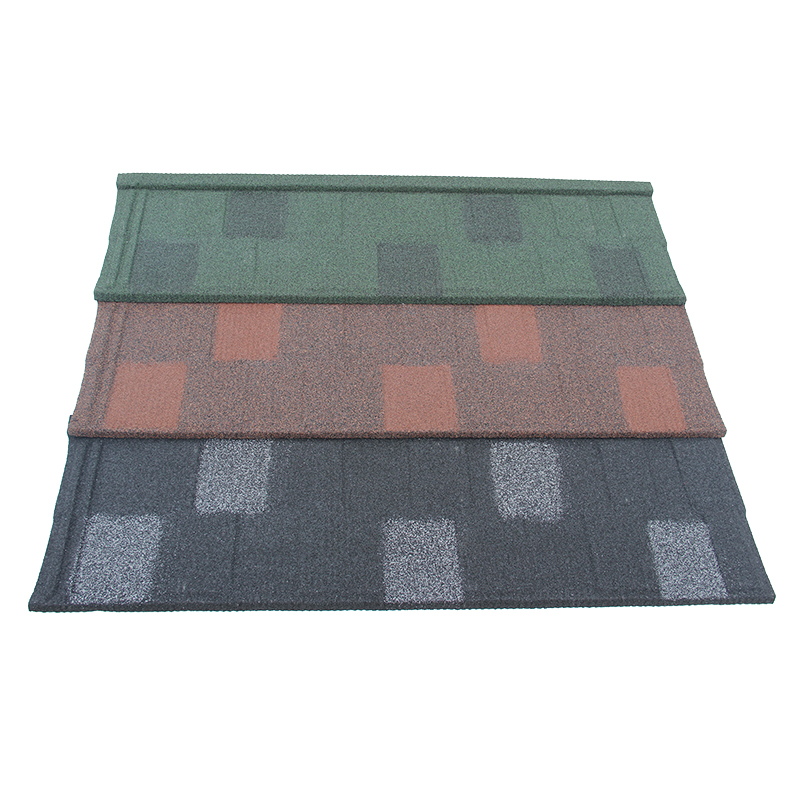
Metal expands and contracts significantly during a 24-hour cycle. A common error found in common mistakes in metal roof installation is fastening the panels too tightly without allowing for thermal movement. For a sleek shingle tile, the interlocking joint should have a microscopic “play” that absorbs this stress. JCROOF laboratory data indicates that over-fastening can trigger “oil canning” waves and lead to fastener fatigue. Contractors must ensure that each modular joint functions as a mini-expansion joint to maintain the roof’s planarity over decades of exposure.
Mistake 3: Poor Flashing Integrity and Capillary Water Draw
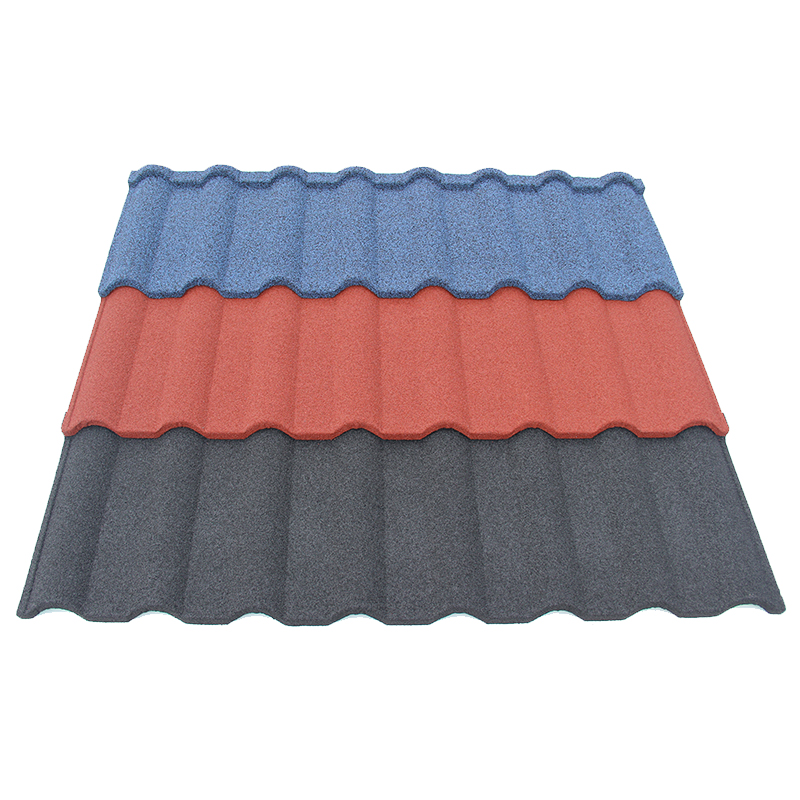
Valleys and hips are the most high-risk areas for water penetration. A recurring issue in common mistakes in metal roof installation is the failure to bend a “weather-stop” lip at the cut edges of the tiles. When a wave tile is cut to fit a valley tray, the edge must be bent upward by 20mm to prevent wind-driven rain from being pushed sideways under the tiles—a phenomenon known as capillary draw. Simply caulking the edge is a temporary fix that will fail as the sealant degrades under intense UV radiation. Mechanical bending is the only permanent waterproofing solution.
Comparative Matrix: Field Errors vs. Engineering Standards
Strategic buyers must understand the cost of sub-standard installation. Use the following data to benchmark your project’s technical compliance and avoid the financial tail of localized callback remediations.
| Installation Factor | Standard “Market” Error | Engineering-Grade Protocol (JCROOF) |
|---|---|---|
| Fastening Direction | Vertical (Tension-based). | Horizontal Nose-Fix (Shear-based). |
| Batten Spacing | Estimated or manual measurement. | Precision Jig-verified (370mm). |
| Thermal Movement | Tight rigid fastening. | Modular joint absorption. |
| Valley Finishing | Exposed cut + Silicone. | Mechanical bending (Weather-stop). |
Professional FAQ: Solving Site-Level Challenges
The success of a roofing project depends on the ability of the contractor to adapt to complex roof geometries while maintaining engineering standards. Many common mistakes in metal roof installation are actually symptoms of poor communication between the project manager and the installation crew. By providing on-site training and adhering to the “shear fastening” protocol, you establish your firm as a technical authority. These insights help procurement managers defend high-quality JCROOF materials to project stakeholders and homeowners.
How to Avoid Surface Damage During Maintenance?
The most overlooked of the common mistakes in metal roof installation is localized denting caused by foot traffic. Crews must be instructed to step only on the reinforced sections of the bond tile supported by the battens. Using soft-soled shoes is a mandatory site requirement. If a tile is accidentally deformed, it must be replaced immediately to ensure the interlocking joint remains watertight. Proper foot traffic discipline preserves the roof’s aesthetic and structural lifespan for decades without localized repair costs.
Final Procurement Action Plan
Eliminating common mistakes in metal roof installation requires a shift from “price-buying” to “spec-buying.” Focus your audit on Aluzinc GSM (AZ150), G300 structural ductility, and the 800°C sintering benchmarks of the stone granules. These three engineering pillars support a roofing system that will outlast the competition. Partnering with professional manufacturers like JCROOF provides the technical submittals and installation manuals needed to win large-scale government and commercial tenders. Contact our technical team today for a project-specific structural audit and installation submittal guide.