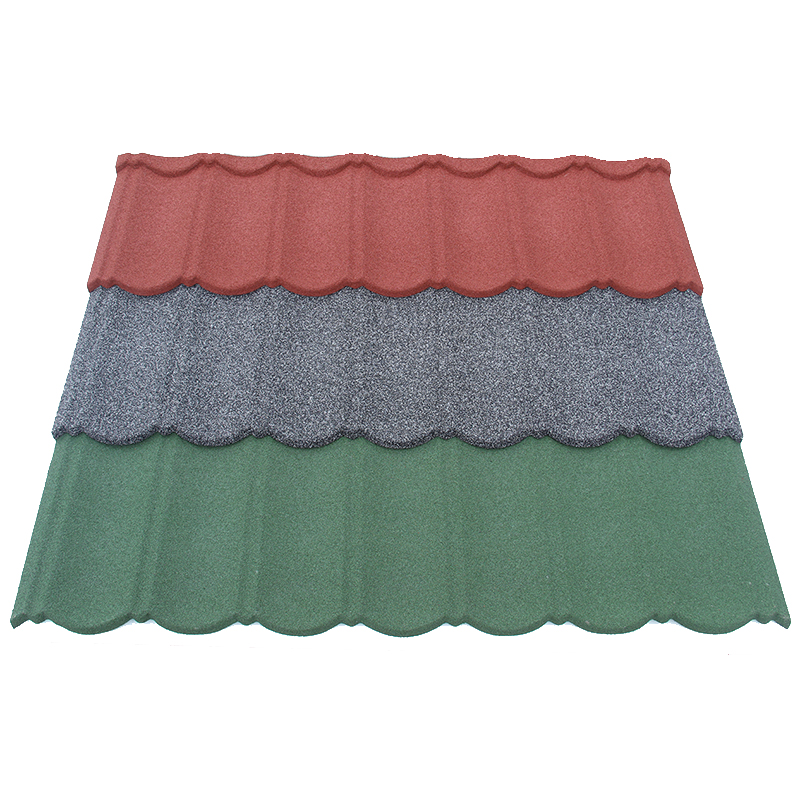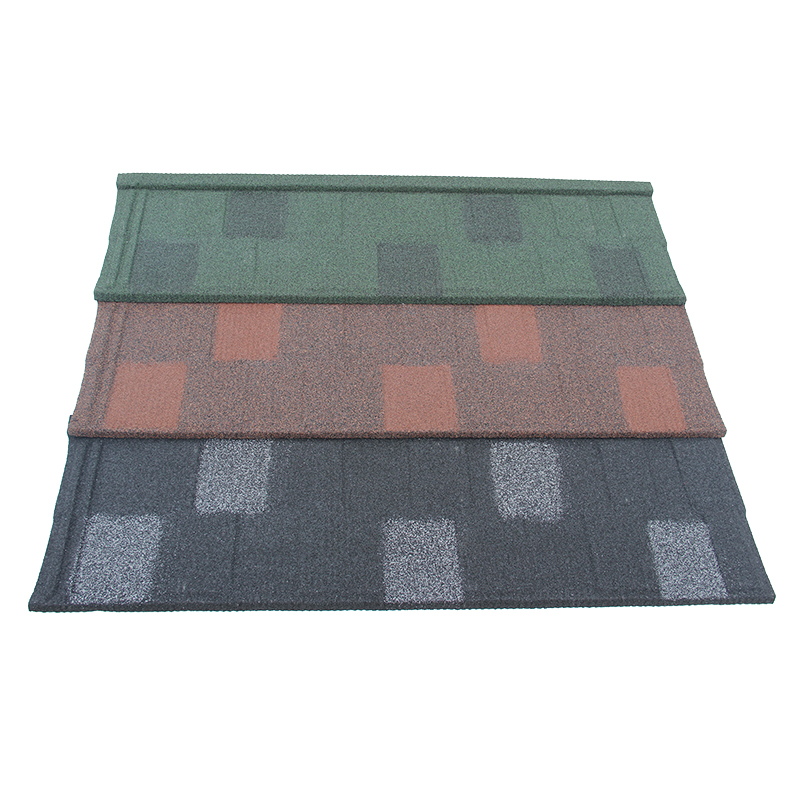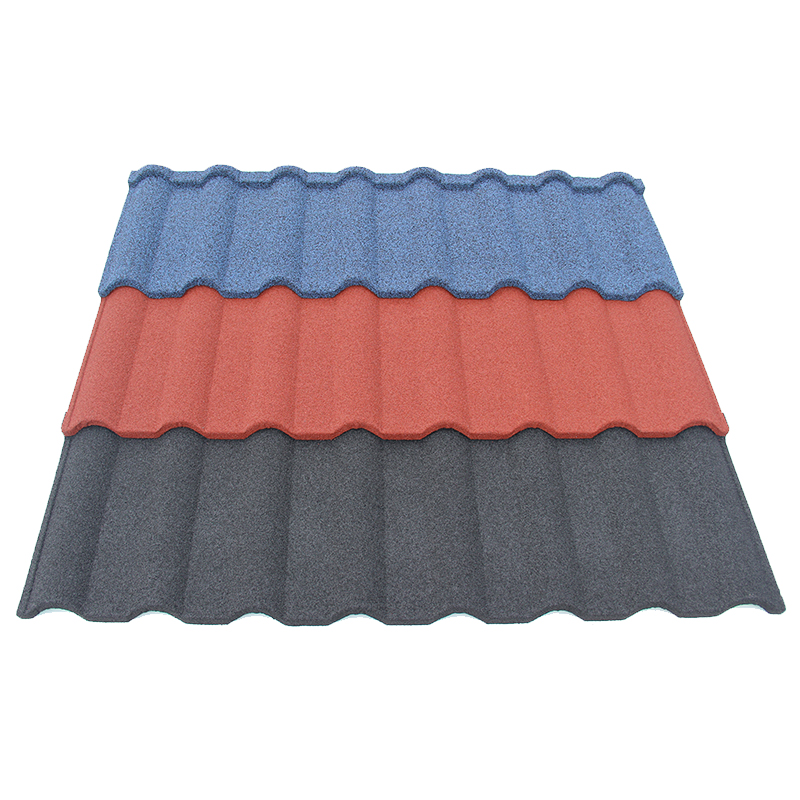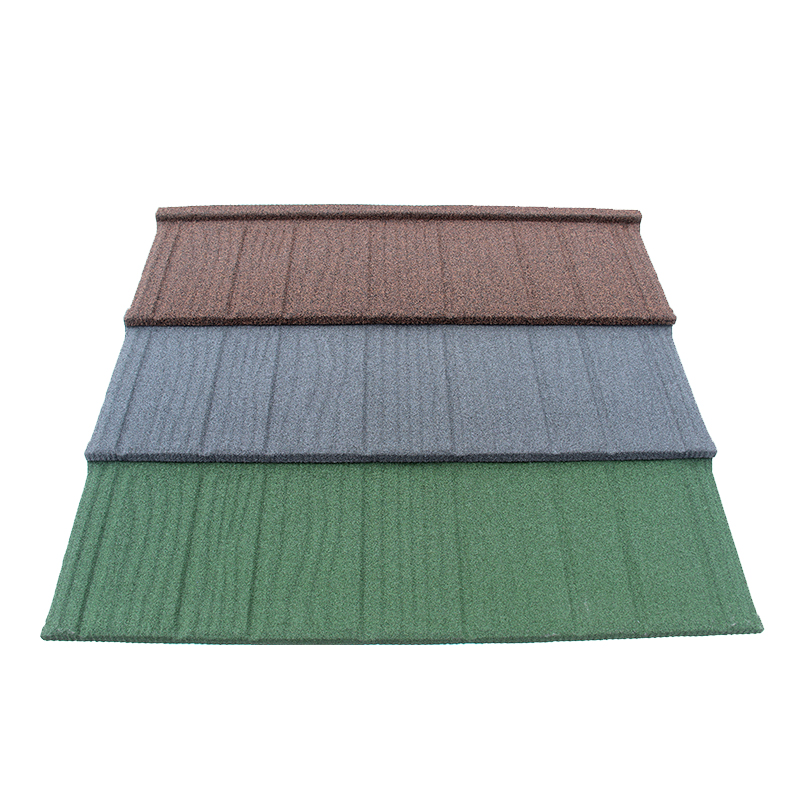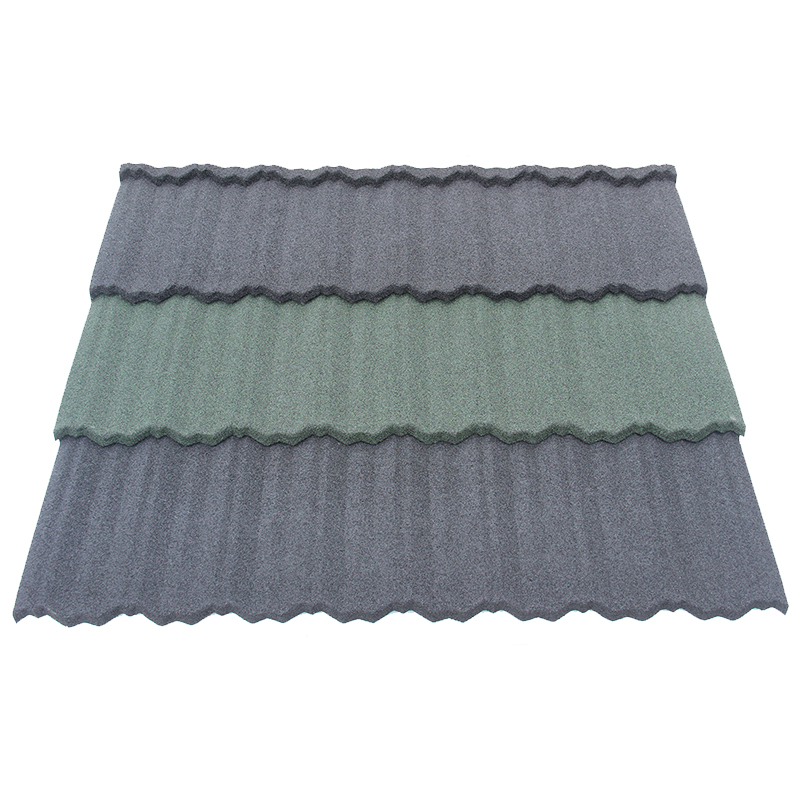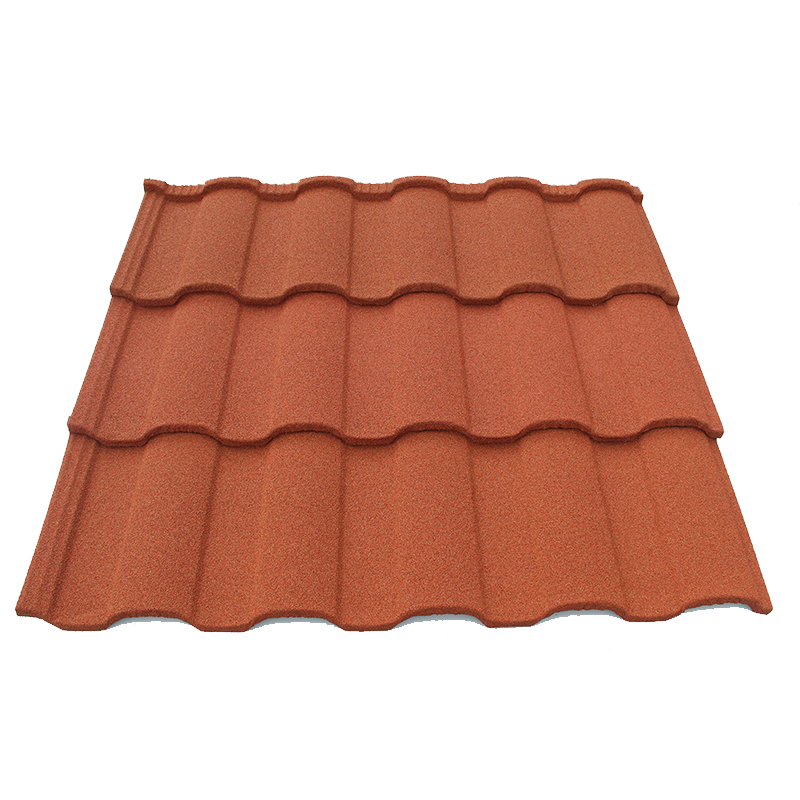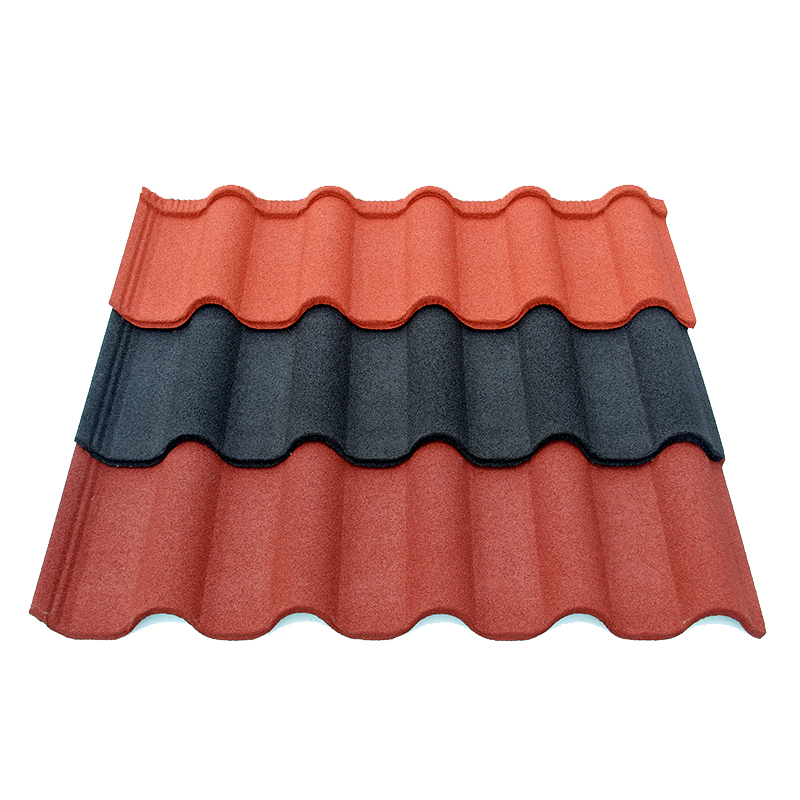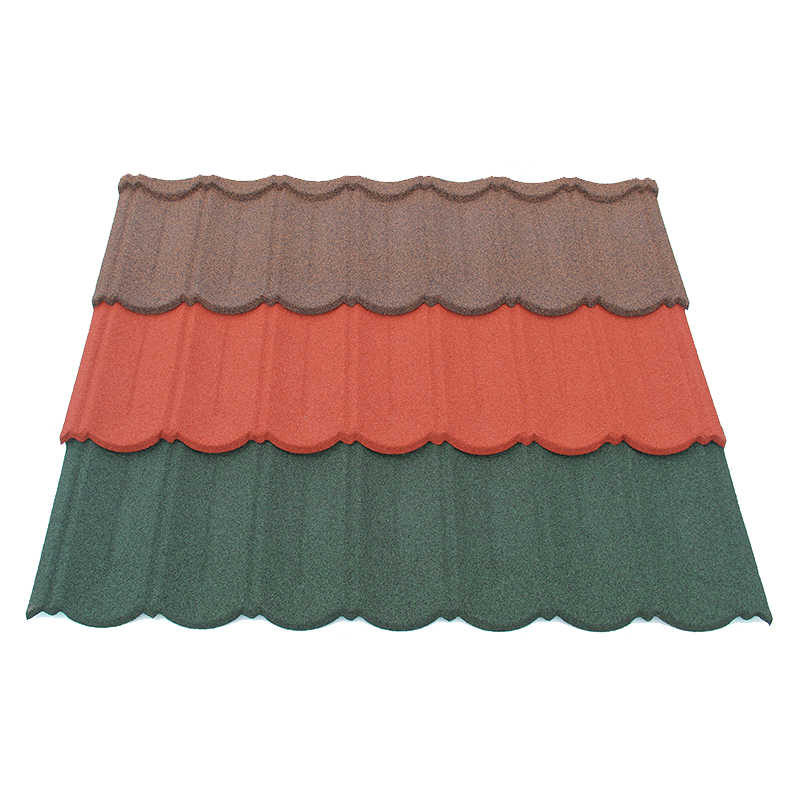

The global construction industry is undergoing a structural pivot toward materials that offer both long-term asset security and environmental responsibility. Choosing sustainable stone coated metal roofing is a strategic decision for developers aiming to achieve LEED certification or enhance the energy efficiency of their portfolios. Unlike traditional asphalt shingles that contribute millions of tons to landfills, these steel composites are 100% recyclable and engineered for a fifty-year service life. This technical audit explores the lifecycle economics and thermal performance that make modular metal systems the superior choice for modern sustainable building envelopes.
Thermal Dynamics and Energy ROI in the bond tile System
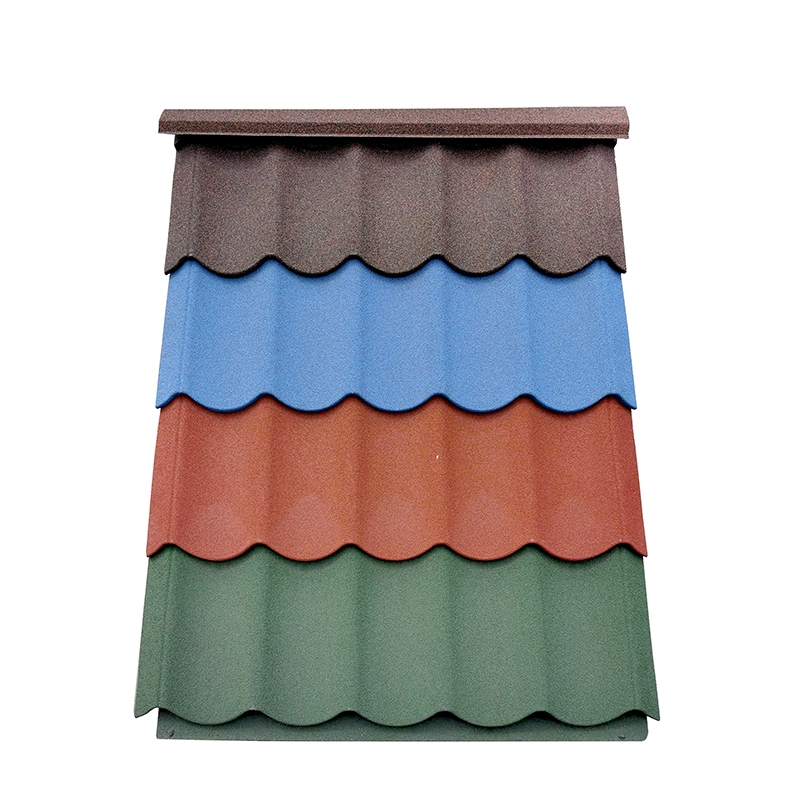
The energy-saving potential of sustainable stone coated metal roofing is primarily driven by its unique installation geometry. The batten-mounted design required for a bond tile creates a continuous 20mm-40mm air gap beneath the tiles, functioning as a passive thermal barrier. This “vented cold roof” allows solar heat to dissipate through convection before it can penetrate the building’s attic space. JCROOF laboratory data indicates that this passive ventilation can lower indoor temperatures by up to 8 degrees Celsius, significantly reducing the monthly HVAC energy consumption in tropical or desert geographic zones.
Reflective Granules and the classic tile UV Defense
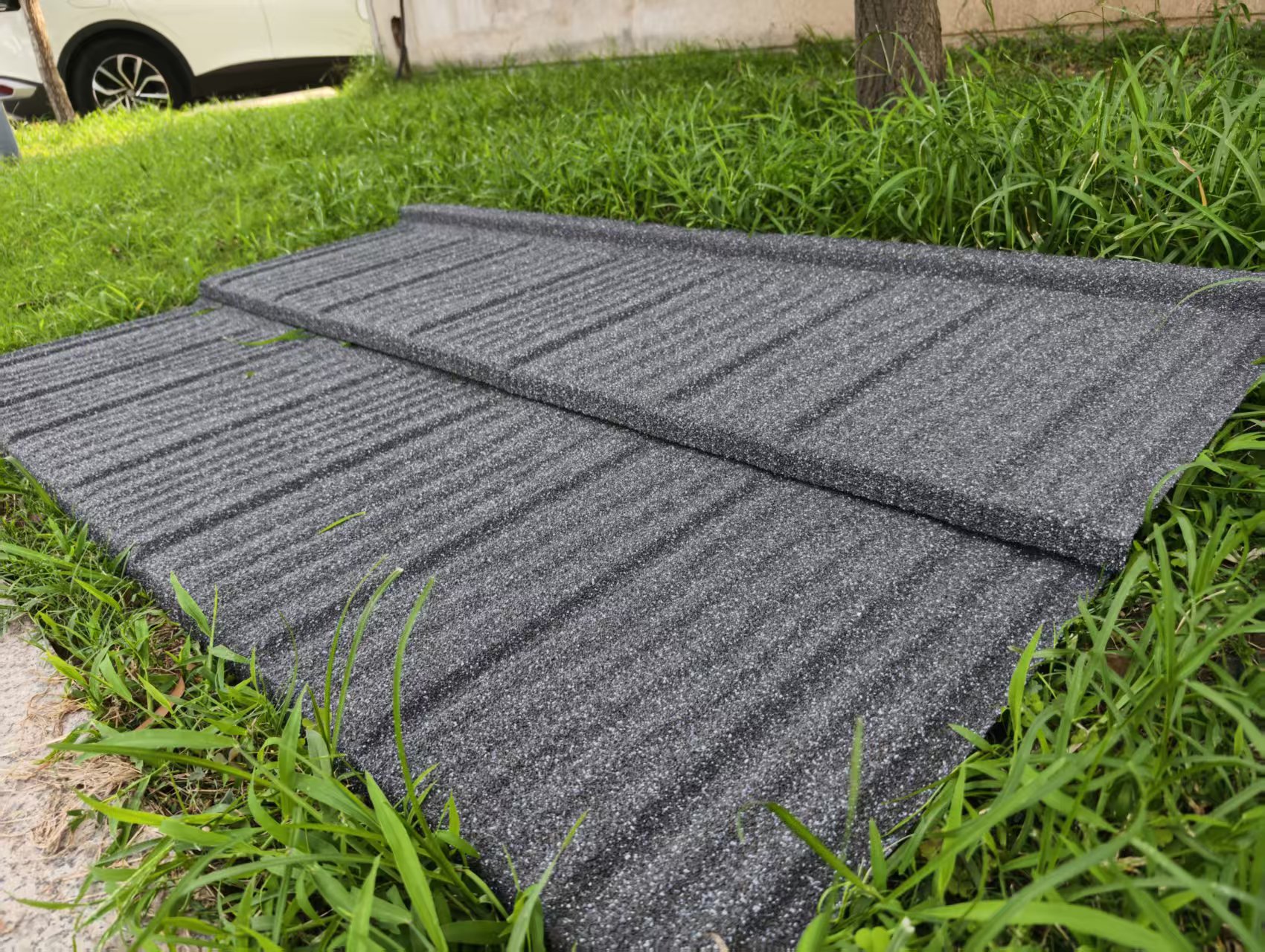
The surface of sustainable stone coated metal roofing is armored with volcanic rock granules that are sintered at temperatures exceeding 800°C. This ceramic-glazing process ensures that a classic tile maintains high solar reflectance even after decades of intense UV exposure. By reflecting radiant energy away from the building, the roof prevents the “urban heat island” effect common in high-density developments. This inorganic stone shield also protects the underlying polymer layers from thermal shock, ensuring the roof maintains its architectural prestige without the need for periodic chemical treatments or repainting.
Lifecycle Circularity: Recyclability and Waste Reduction
A major pillar of sustainable stone coated metal roofing is its contribution to a circular economy. Traditional asphalt roofs suffer from rapid volatile loss and typically require replacement every 15 years, leading to immense material waste. In contrast, the high-tensile Aluzinc steel used in a shingle tile is fully recyclable at the end of its fifty-year service life. Furthermore, the lightweight nature of these tiles allows for “roof-over” installations. This means a shingle tile system can be placed directly over old asphalt using a batten grid, eliminating the labor and carbon footprint associated with tear-offs and landfill disposal.
Metallurgical Endurance and the milano tile Aluzinc Shield
True sustainability is inextricably linked to durability; a material that fails prematurely is inherently wasteful. To ensure the performance of sustainable stone coated metal roofing, JCROOF engineering standards mandate an AZ150 Aluzinc core. This alloy provides a superior self-healing boundary that neutralizes oxidation at cut edges. This ensures that a milano tile profile remains structurally sound in high-humidity maritime environments, preventing the localized rust that typically plagues lower-grade iron sheets. By extending the material’s service life, developers significantly lower the building’s total embodied carbon over time.
Acoustic Damping and Storm Resilience in the shake tile Profile
Sustainable architecture must also provide a resilient and comfortable interior environment. The composite layering of sustainable stone coated metal roofing effectively solves the rain-noise problem associated with traditional metal sheets. The thick layer of sintered granules on a shake tile acts as a mechanical sound dampener, shattering raindrops upon impact. When combined with a horizontal nose-fastening protocol, the system survives wind speeds exceeding 200km/h. This wind resilience prevents storm damage remediation costs, ensuring the building envelope remains watertight during the extreme weather events associated with climate volatility.
Comparative Sustainability Matrix: Steel vs. Traditional Materials
Strategic procurement managers use lifecycle data to justify the investment in green building materials. Use the following matrix to benchmark the environmental ROI of sustainable stone coated metal roofing compared to traditional bitumen or clay alternatives.
| Sustainability Metric | Standard Asphalt Shingles | Sustainable Metal (AZ150 Grade) |
|---|---|---|
| Recyclability | Low (Complex composite). | 100% (Steel Core). |
| Energy Efficiency | Low (Thermal absorption). | High (Vented Air Gap). |
| UV Durability | Poor (Organic decay). | Extreme (Inorganic Stone). |
| Service Life | 12 – 18 Years. | 50+ Years. |
Professional FAQ: Solving Sustainability Challenges
Successful green building projects depend on the ability to translate technical specifications into field-level performance. Many “problems” reported during the adoption of sustainable stone coated metal roofing are actually symptoms of poor site management or sub-structure misalignment. By providing technical training and adhering to the “shear fastening” protocol, you establish your firm as a technical authority. These insights help procurement managers defend high-quality building material choices to project stakeholders, ensuring a profitable and durable outcome for the property owner.
Can These Tiles Contribute to Rainwater Harvesting?
Yes. Because the stone surface is inorganic and the overglaze is non-toxic, sustainable stone coated metal roofing is an excellent catchment surface for rainwater harvesting systems. The 800°C sintered granules do not leach chemicals or heavy metals into the runoff, unlike bitumen-based products. This allows the collected water to be used for irrigation or greywater systems, further enhancing the building’s water-efficiency profile. This dual-purpose functionality makes the system a favorite for eco-resorts and off-grid residential developments.
Final Procurement Action Plan
Maximizing the benefits of sustainable stone coated metal roofing requires a shift from “first-cost” to “lifecycle-cost” evaluation. Focus your technical audit on Aluzinc GSM (AZ150), G300 structural ductility, and the 800°C sintering benchmarks of the volcanic stone granules. These three engineering pillars support a roofing system that will outlast the competition while reducing the building’s environmental impact. Partnering with professional manufacturers provides the laboratory data and technical manuals needed to win large-scale government and commercial tenders. Contact our technical team today for a project-specific sustainability audit and structural submittal guide.