

Leakage is one of the most common concerns raised by buyers, contractors, and distributors when evaluating roofing systems—especially when transitioning from traditional materials to metal-based solutions. In many markets, this question directly affects purchasing decisions, warranty risks, and long-term project reliability.
From a practical industry perspective, stone coated steel roofing systems are not inherently prone to leakage. In fact, when properly specified and installed, they offer excellent water resistance. However, performance depends on multiple factors including profile design, installation quality, and system completeness. This article breaks down the real causes of leaks and how different profiles such as Bond Tile, Roman Tile, and Shingle Tile perform in real-world conditions.
Do Stone Coated Steel Roofs Leak by Design?
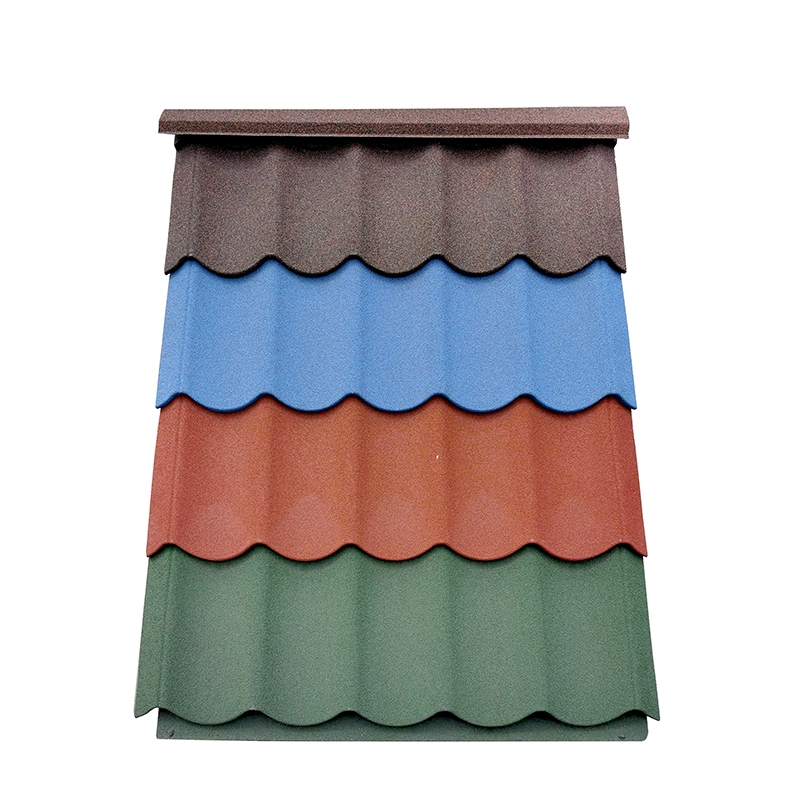
Structurally, stone coated steel roofs are designed as interlocking systems rather than exposed fastener sheets. This design significantly reduces the risk of water penetration. Each panel overlaps and locks with adjacent panels, forming a layered barrier against rain, wind, and external elements.
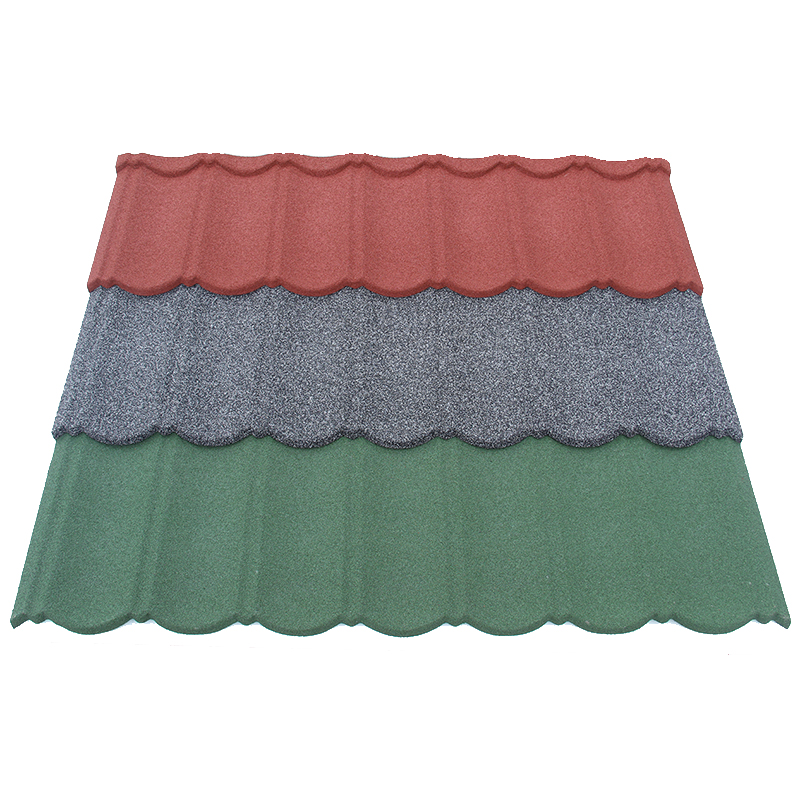
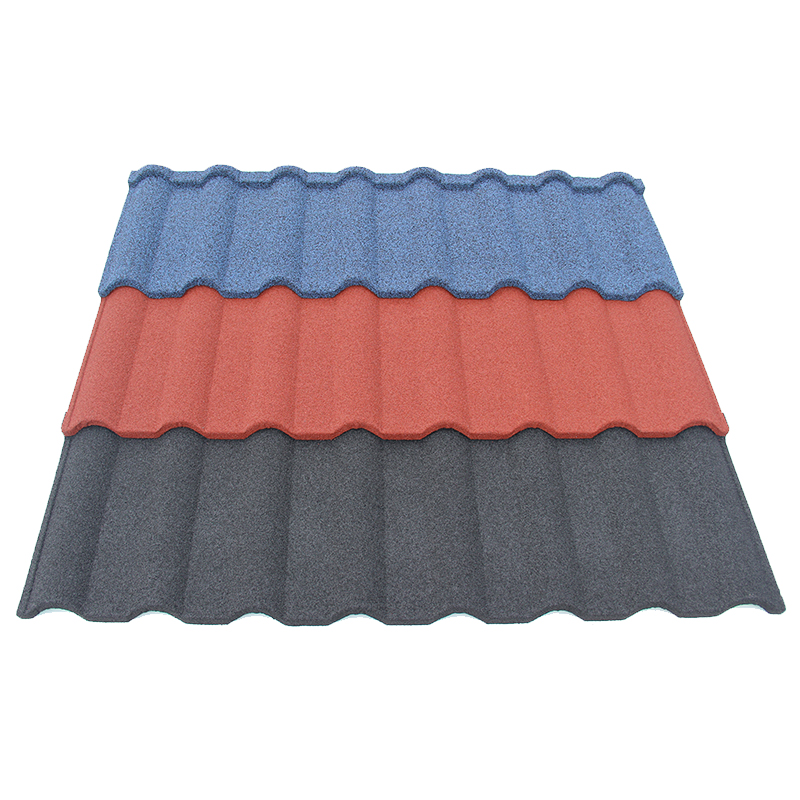
In contrast to traditional corrugated metal sheets, which rely heavily on exposed screws and sealants, stone coated systems integrate water management directly into the tile structure. Profiles like Bond Tile and Roman Tile are engineered with overlapping ridges and drainage channels that guide water safely off the roof.
Interlocking Mechanism
The interlocking system ensures minimal exposed seams. For example, a commonly used profile such as JCROOF features side-locking edges that enhance sealing performance.
Built-in Drainage Design
Each tile is shaped to create natural water flow paths, reducing the chance of standing water or backflow during heavy rain.
Granule Surface Function
The stone coating not only improves aesthetics but also reduces water splash and slows runoff, enhancing overall drainage efficiency.
What Causes Stone Coated Roofs to Leak in Real Projects?
In actual project scenarios, leaks rarely originate from the roofing material itself. Instead, they are usually caused by installation mistakes, structural design issues, or incomplete accessory systems. Understanding these factors is essential for B2B buyers aiming to reduce post-installation risks.
Incorrect Installation Practices
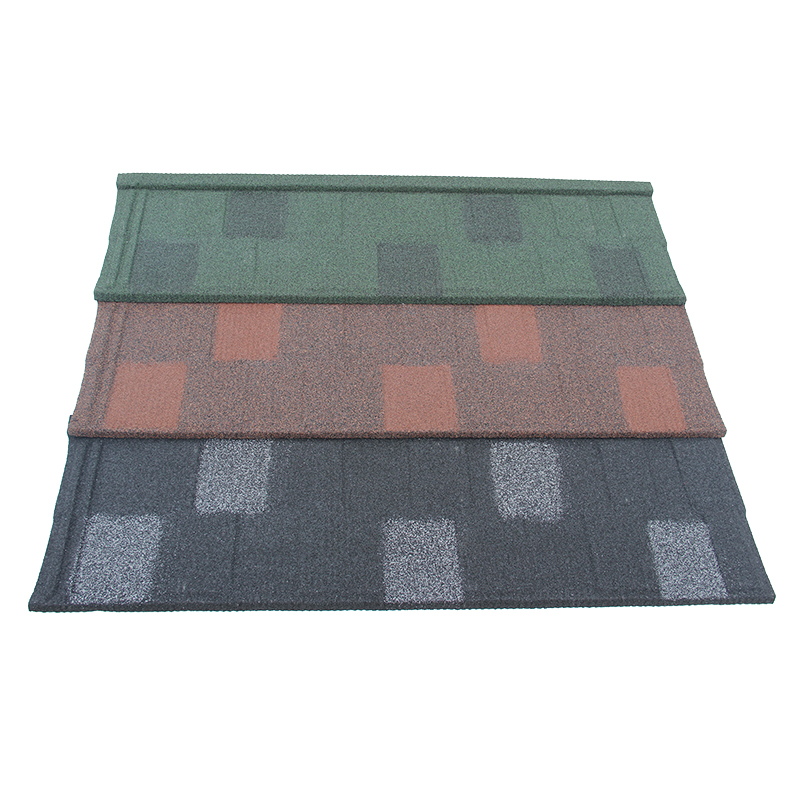
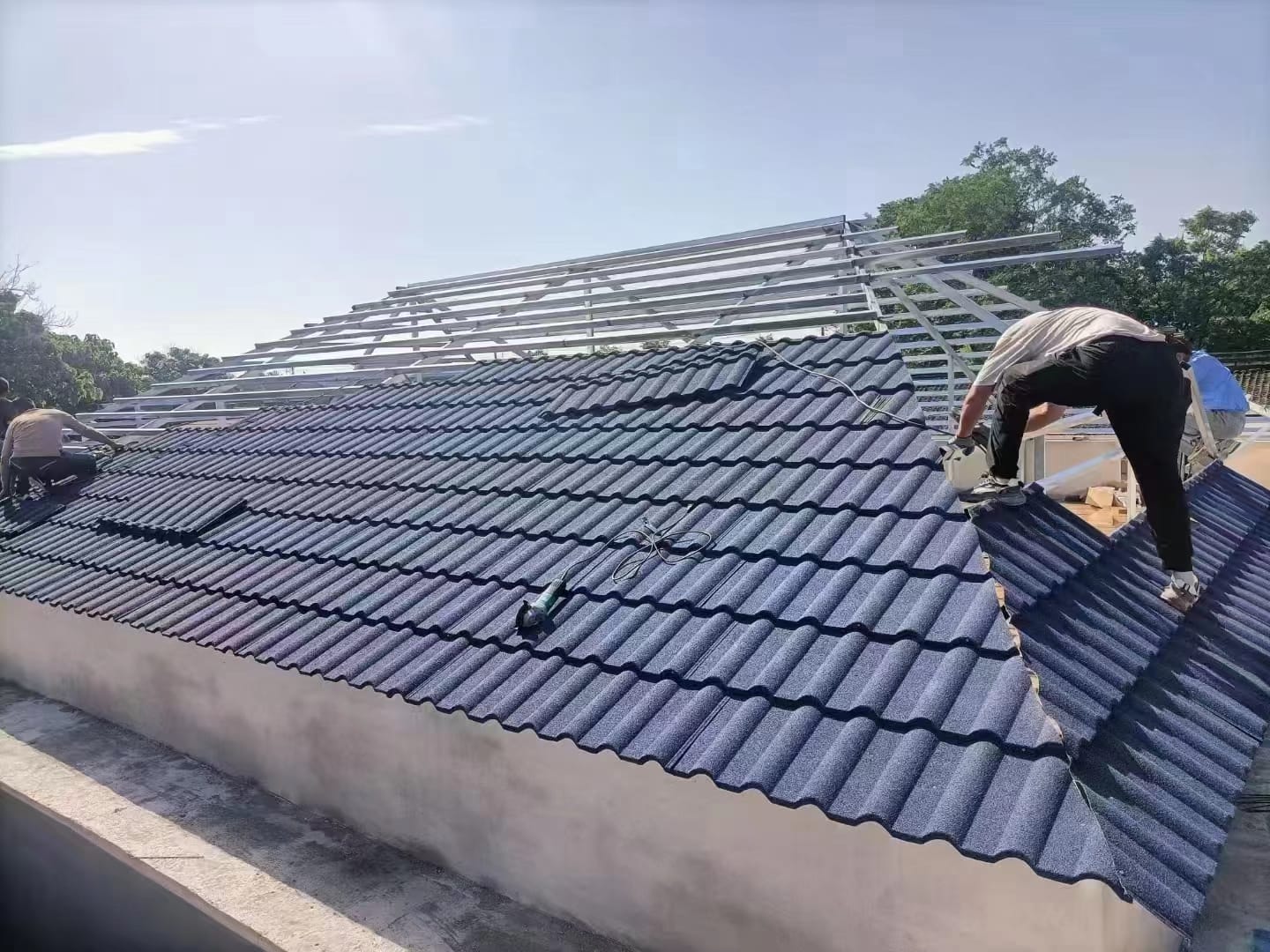
Improper fastening, incorrect overlap, or misalignment can create gaps where water can enter. Even well-designed profiles like Shingle Tile can fail if installation guidelines are not followed.
Insufficient Roof Pitch
Each profile has a minimum slope requirement. Installing flatter designs such as Milano Tile on low-pitch roofs increases leakage risk.
Poor Flashing and Junction Handling
Leakage often occurs around valleys, chimneys, and roof penetrations rather than the tile surface itself.
Low-Quality Materials
Inferior coatings or thinner steel substrates can degrade over time, weakening the system’s resistance to water intrusion.
How Roofing Profiles Influence Leak Resistance
Different stone coated roofing profiles offer varying levels of water resistance based on their geometry and overlap design. Selecting the right profile is especially important in regions with heavy rainfall or strong wind conditions.
Bond Tile Performance
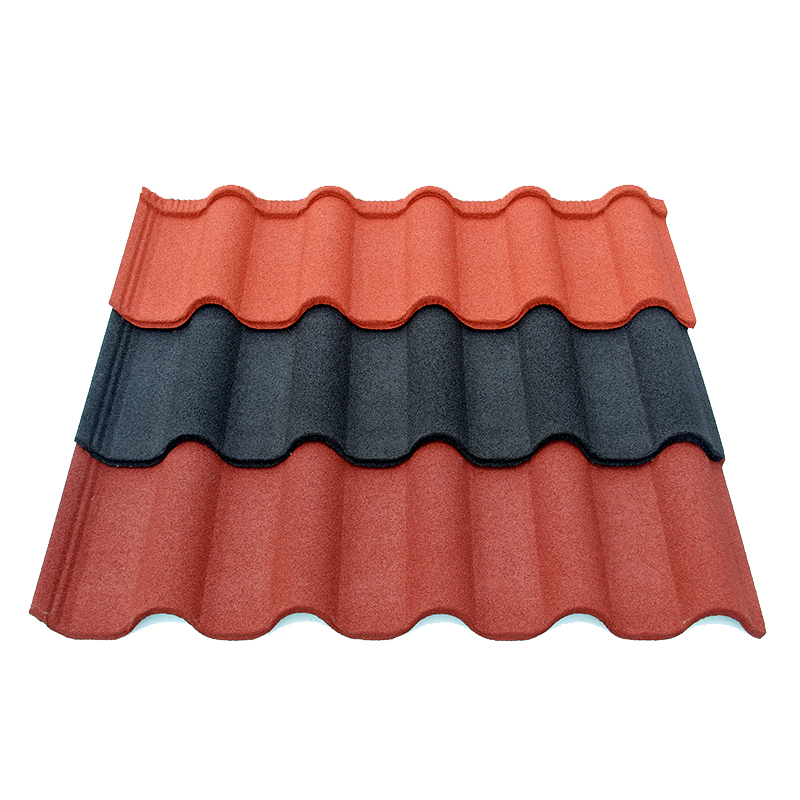
Bond Tile provides balanced performance with efficient water runoff. A model like JCR-BT02 is often used in large residential projects due to its ease of installation and reliable drainage.
Roman Tile Performance
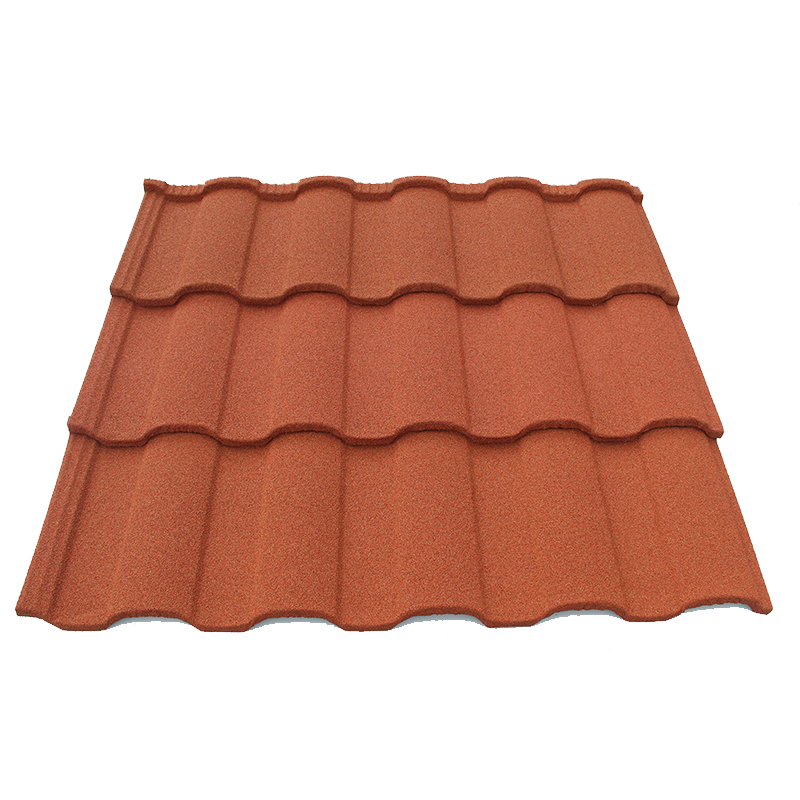
Roman Tile features deeper curves that enhance water channeling. Products such as JCR-RT01 are commonly selected for high-end projects in regions with heavy rainfall.
Shingle Tile Performance
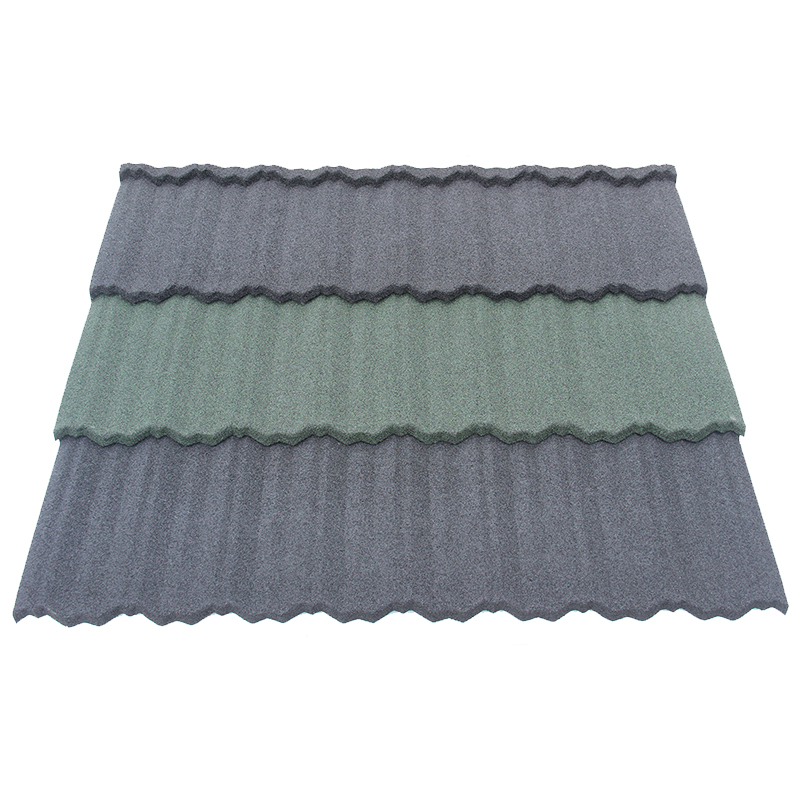
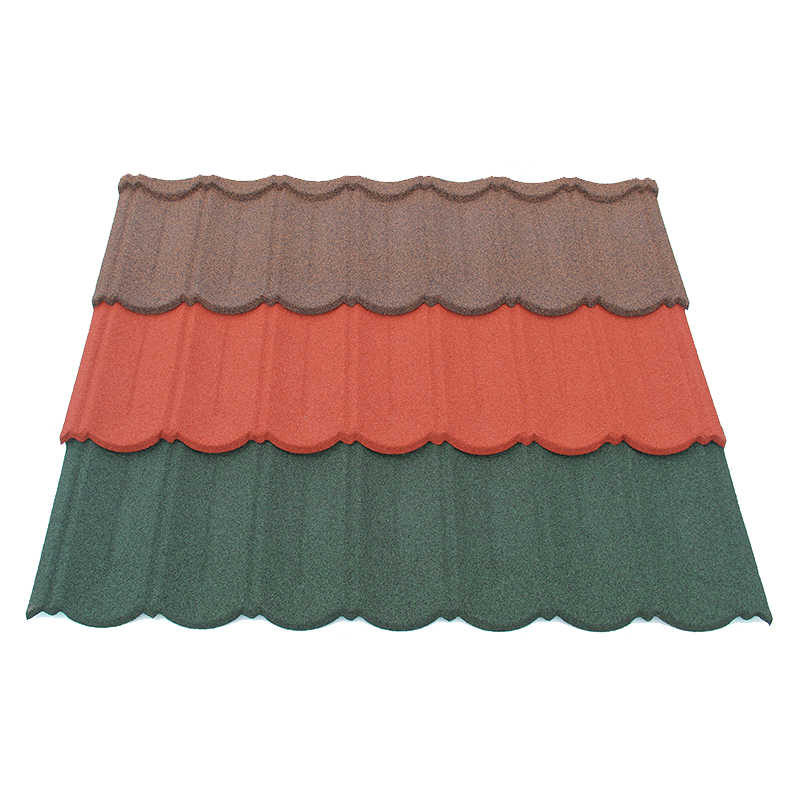
Shingle Tile relies on tight overlapping for water resistance. A typical option like JCR-ST02 is suitable for moderate climates and retrofit applications.
Milano Tile Considerations
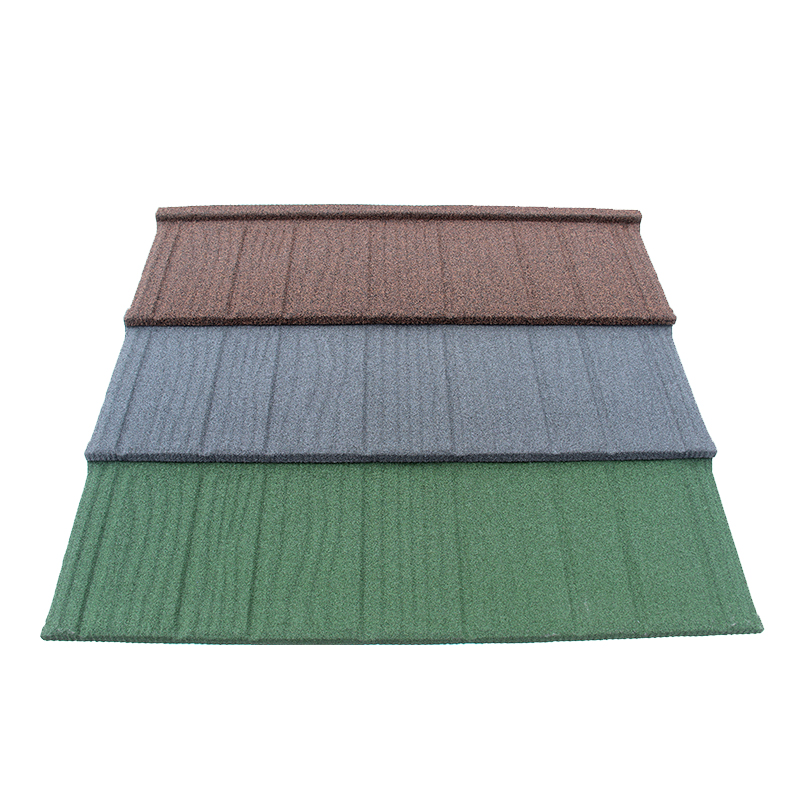
Milano Tile offers a modern flat design but requires precise installation. A model such as JCR-MT03 performs well when installed on roofs with adequate pitch.
Key Factors That Determine Whether a Roof Will Leak
For contractors and procurement teams, preventing leakage is about managing critical variables rather than relying on the material alone. A well-designed roofing system integrates product selection, installation, and accessory components into a complete solution.
Installation Quality
Proper training and adherence to installation standards are essential to ensure long-term performance.
Roof Structure Design
Matching the correct profile to the roof pitch is critical, especially for flatter designs.
Complete Accessory System
Using compatible ridge caps, valleys, and flashing components minimizes weak points.
Material Specification
High-quality steel substrates and durable coatings improve resistance to environmental stress.
Comparison of Leak Resistance by Roofing Type
| Profile | Leak Resistance | Installation Sensitivity | Best Use Scenario |
|---|---|---|---|
| Bond Tile | High | Low | Mass housing |
| Roman Tile | Very High | Medium | Heavy rain regions |
| Shingle Tile | Medium | Low | Moderate climates |
| Milano Tile | Medium | High | Modern projects |
Common Misunderstandings About Roof Leakage
Misconceptions about metal roofing often lead to incorrect purchasing decisions. Clarifying these misunderstandings helps buyers make more confident and informed choices.
“Metal Roofs Are More Likely to Leak”
This assumption usually comes from low-end metal sheet experiences, not engineered systems like stone coated roofing.
“Thicker Steel Prevents Leaks”
Thickness improves durability but does not replace proper design and installation.
“All Profiles Perform Equally”
Profile geometry significantly affects drainage and water resistance.
Practical Recommendations for Buyers and Contractors
In procurement and project execution, reducing leakage risk requires selecting the right products and working with reliable suppliers. Consistency in product quality and system compatibility plays a major role in long-term performance.
Manufacturers such as JCROOF are often referenced in the industry for offering complete roofing systems, including tiles and matching accessories. This helps reduce compatibility issues and ensures better installation outcomes across different profiles like Bond Tile and Roman Tile.
Actionable Tips
- Select profiles based on climate and roof pitch
- Ensure full accessory system availability
- Follow supplier installation guidelines strictly
- Test selected models before large-scale procurement
Conclusion: Do Stone Coated Steel Roofs Leak?
Stone coated steel roofs do not inherently leak. When properly installed and matched to the right application, they provide a reliable and durable roofing solution. Profiles such as Bond Tile and Roman Tile offer excellent water resistance, while options like Milano Tile require more precise application.
For B2B buyers and contractors, the focus should be on system design, installation quality, and supplier reliability rather than the material alone.