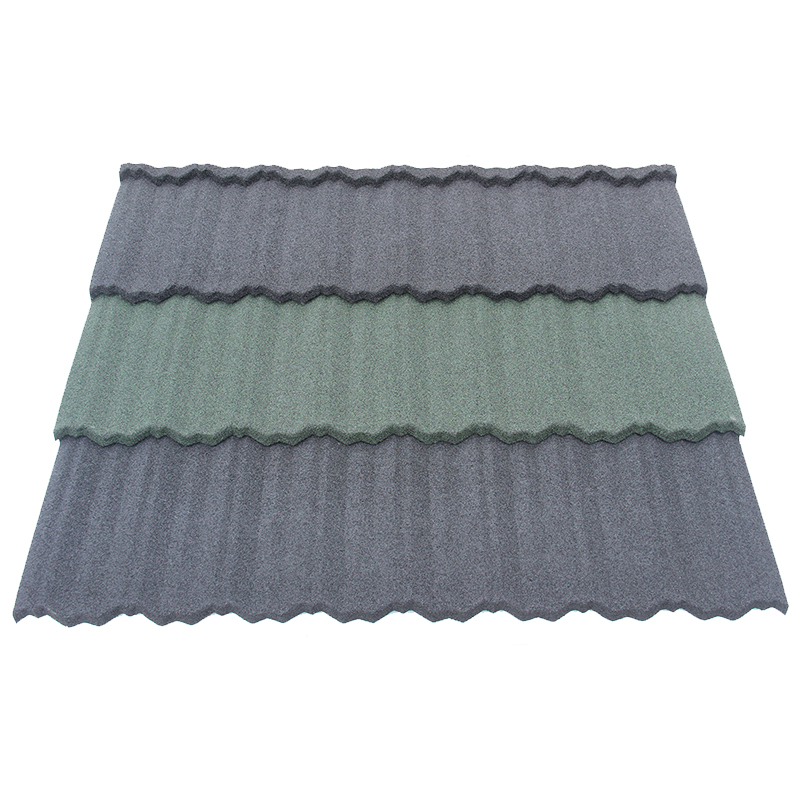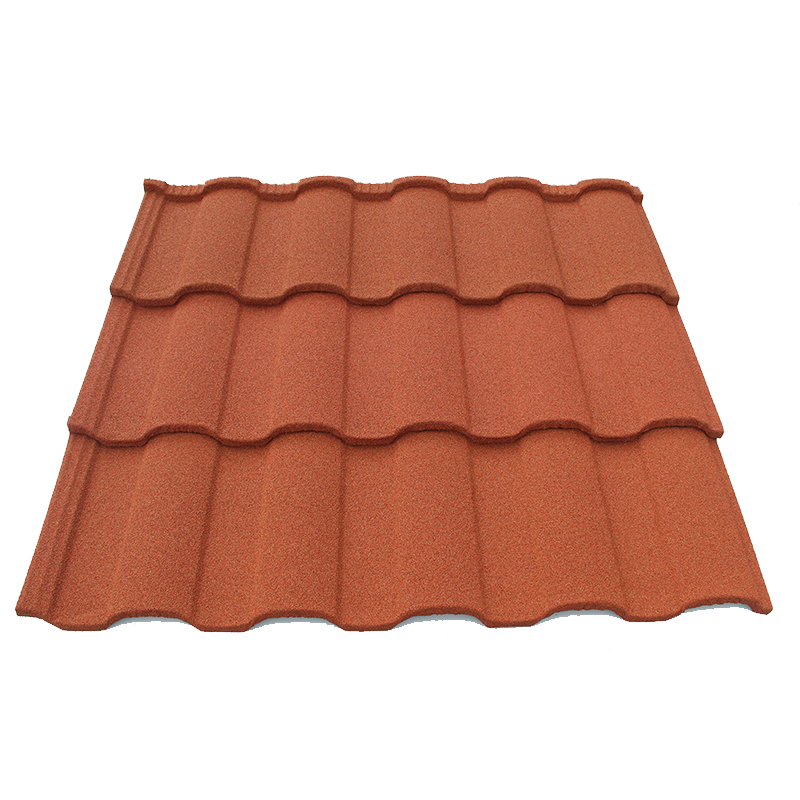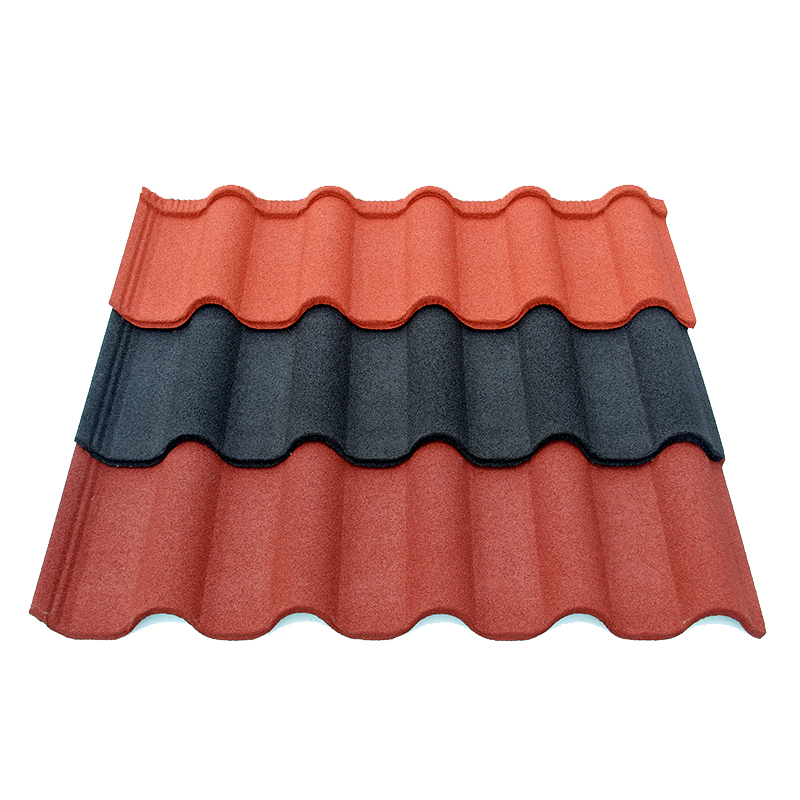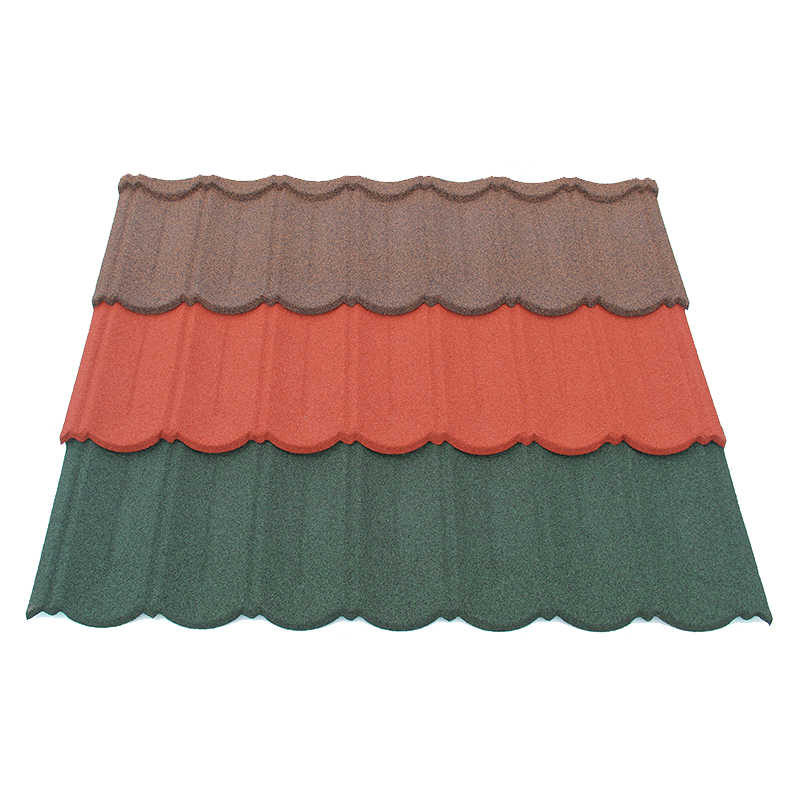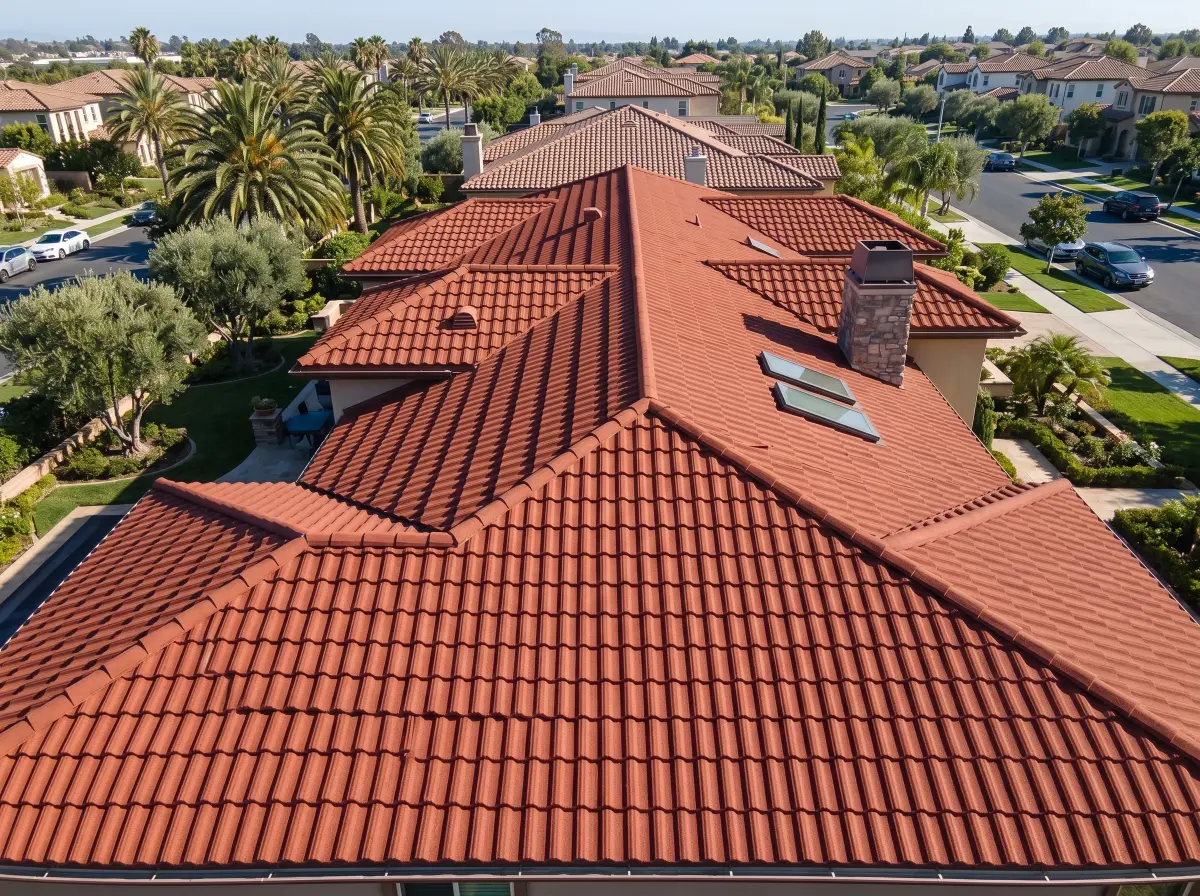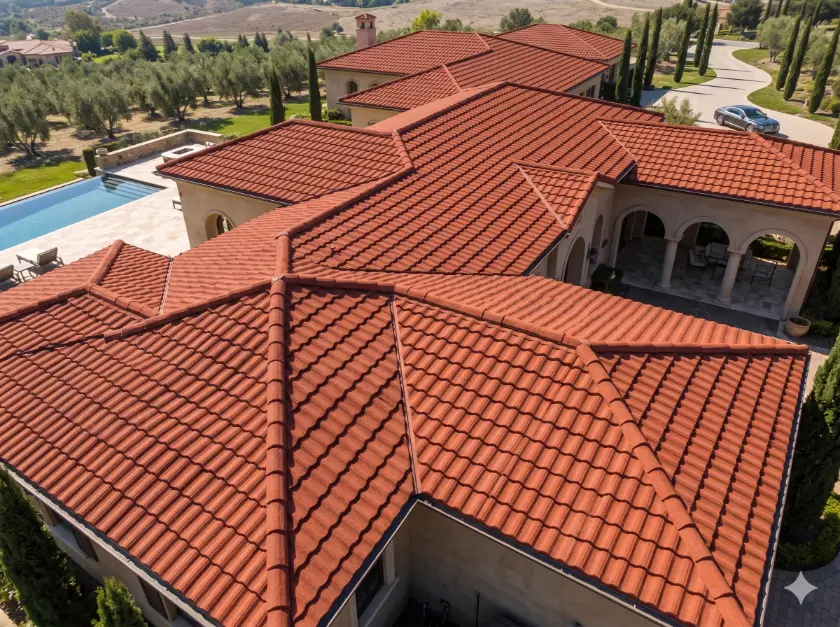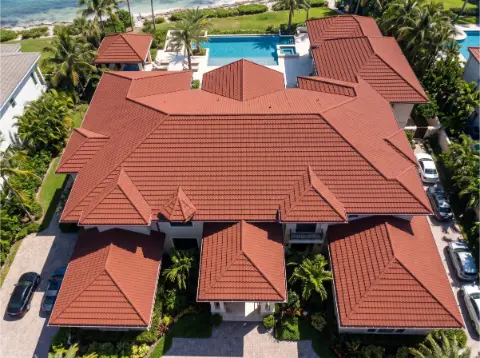

When evaluating roofing materials for large-scale projects or distribution, one of the most common questions is: Disadvantages of stone coated roofing sheet? For B2B buyers, contractors, and suppliers, understanding the limitations is just as important as knowing the benefits. While stone coated steel roofing is widely recognized for durability and aesthetics, it is not a one-size-fits-all solution.
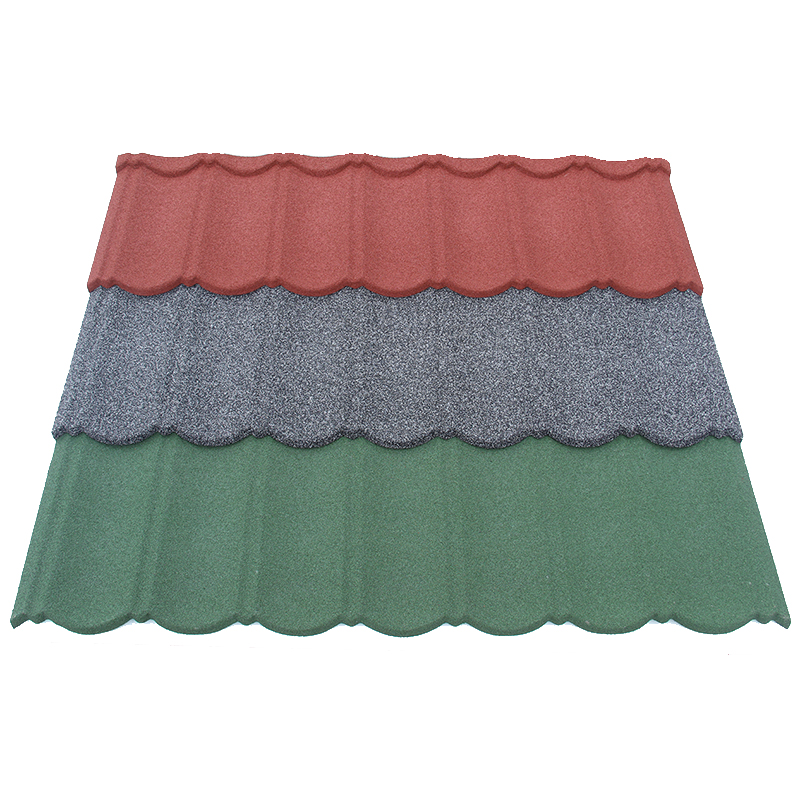
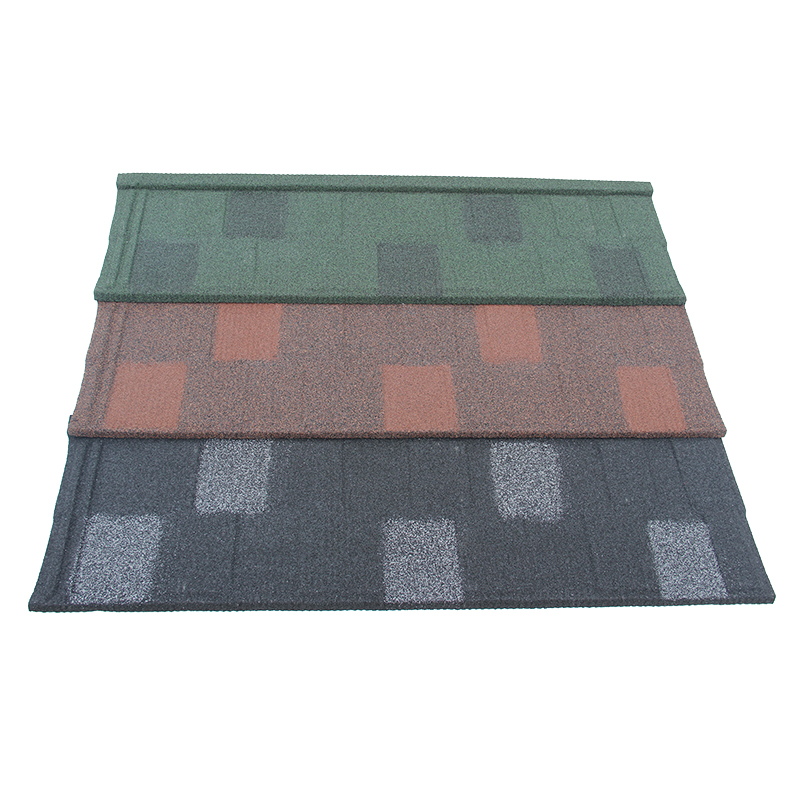
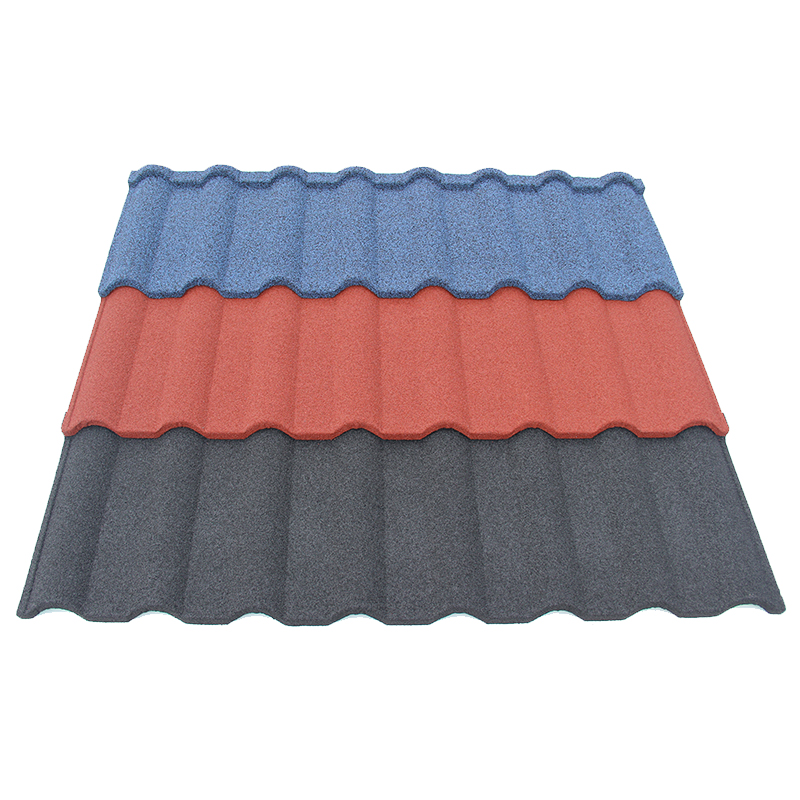
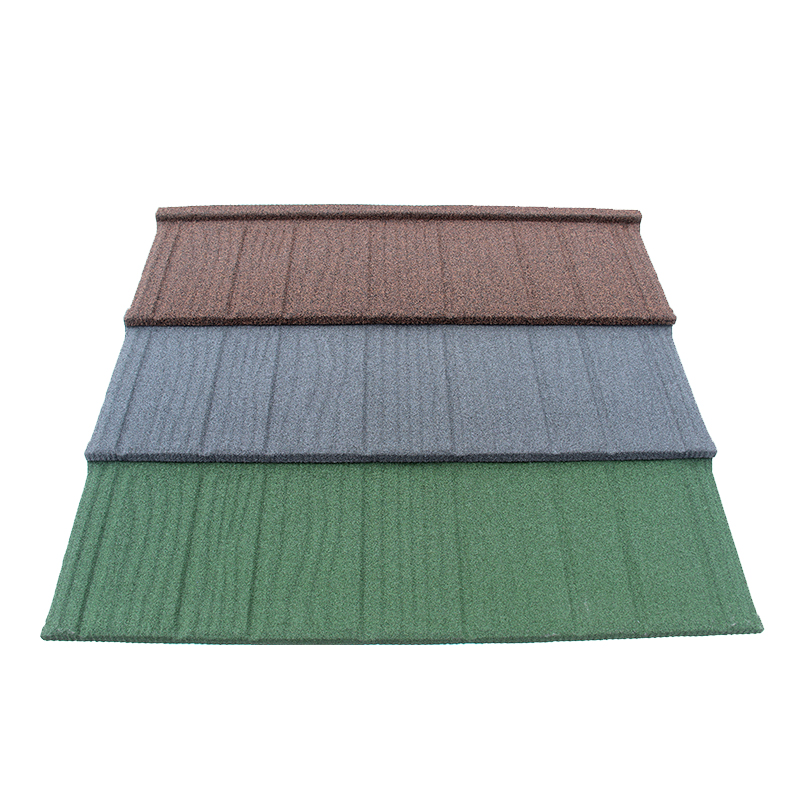
From a practical industry perspective, most drawbacks are not deal-breakers but factors that need to be managed through proper selection, installation, and project planning. This article breaks down the real disadvantages, compares how different profiles such as Bond Tile, Roman Tile, and Shingle Tile behave, and provides actionable advice to help you make better procurement decisions.
Understanding the Nature of Stone Coated Roofing Sheets
Before discussing the disadvantages, it is important to understand how stone coated roofing sheets are structured. These products are steel-based roofing panels coated with protective layers and natural stone granules. The combination of metal strength and textured surface gives them a unique position between traditional tiles and lightweight metal sheets.
However, this hybrid structure also introduces certain limitations. Compared to single-material systems, stone coated roofing requires tighter control over manufacturing quality, installation precision, and accessory compatibility. Buyers who overlook these aspects often experience issues that are mistakenly attributed to the material itself.
Material Composition Complexity
Multiple layers—steel base, coating, adhesive, and stone granules—mean more variables that can affect performance if quality is inconsistent.
System-Based Product
Unlike simple roofing sheets, stone coated systems rely on matching accessories and proper installation techniques to perform effectively.
Higher Initial Cost Compared to Basic Roofing Options
One of the most frequently cited disadvantages is the higher upfront cost. Compared to traditional corrugated sheets or basic metal roofing, stone coated products typically come at a premium. This can impact project budgeting, especially in price-sensitive markets.
However, from a lifecycle cost perspective, the higher initial investment often translates into lower maintenance and longer service life. For distributors, the key is understanding whether the target market prioritizes upfront price or long-term value.
Material Cost Consideration
Profiles like Roman Tile tend to be positioned as premium products due to their deeper design and visual appeal.
Installation Cost Factor
Although lighter than traditional tiles, installation still requires trained labor, especially for profiles with more complex geometry.
Installation Requires Skilled Labor
Another practical limitation is that stone coated roofing sheets are not as forgiving as simple metal sheets when it comes to installation. Improper handling can lead to alignment issues, weak overlaps, or even long-term leakage risks.
This is particularly relevant for contractors working in regions where skilled roofing labor is limited. Even though profiles like Bond Tile are considered easier to install, they still require adherence to proper guidelines.
Learning Curve for Installers
Installers unfamiliar with interlocking systems may require additional training.
Impact on Project Timeline
Improper installation can lead to rework, increasing labor costs and delaying completion.
Performance Depends on Roof Design and Pitch
Stone coated roofing sheets are not universally suitable for all roof structures. Their performance is closely tied to roof pitch and structural design. Choosing the wrong profile for a specific roof condition can lead to functional issues.
For example, flatter designs such as Milano Tile require adequate slope to ensure proper water drainage. In contrast, deeper profiles like Roman Tile handle heavy rainfall more effectively.
Minimum Pitch Requirements
Each profile has specific slope requirements that must be followed.
Design Compatibility
Mismatch between roof structure and tile profile can lead to water retention or wind uplift issues.
Potential for Surface Wear Over Time
Although stone coated roofing is designed for durability, the surface granules can experience gradual wear over time, especially in harsh environments. This does not immediately affect functionality but can impact appearance and long-term performance if the coating quality is insufficient.
For distributors, this highlights the importance of sourcing from reliable manufacturers and ensuring consistent coating standards.
Granule Loss in Extreme Conditions
High UV exposure, heavy rain, or sandstorms can accelerate surface wear.
Quality Variation Between Suppliers
Not all stone coatings perform equally, making supplier selection critical.
Transportation and Handling Considerations
While lighter than traditional tiles, stone coated roofing sheets still require careful handling during transportation and storage. Improper stacking or rough handling can damage the surface coating.
This is particularly important for exporters and distributors managing large shipments.
Packaging Requirements
Proper palletizing and protection are needed to prevent damage during transit.
Loading Efficiency
Compared to flat sheets, certain profiles may reduce container loading efficiency.
Comparison: Key Disadvantages by Roofing Type
| Profile | Main Limitation | Impact Level | Best Mitigation |
|---|---|---|---|
| Bond Tile | Requires proper alignment | Medium | Installer training |
| Roman Tile | Higher cost | High | Target premium projects |
| Shingle Tile | Moderate drainage capacity | Medium | Use in suitable climates |
| Milano Tile | High pitch requirement | High | Ensure correct roof design |
Common Mistakes Buyers Make When Evaluating Disadvantages
In practice, many perceived disadvantages are actually the result of incorrect assumptions or poor project planning. Understanding these mistakes can help buyers avoid unnecessary risks.
Focusing Only on Price
Ignoring lifecycle value can lead to selecting lower-quality alternatives that perform worse over time.
Ignoring Installation Requirements
Assuming all roofing materials install the same way often leads to project issues.
Choosing the Wrong Profile
Not matching tile type to climate and structure is a common source of dissatisfaction.
Practical Sourcing Advice for Minimizing Risks
For distributors and contractors, most disadvantages can be mitigated through proper sourcing and planning. Working with experienced manufacturers helps ensure consistent quality and reliable supply.
In the industry, suppliers such as JCROOF are often referenced for offering complete roofing systems, including matching accessories and multiple profile options. This allows buyers to select the most suitable products for different project requirements while reducing compatibility issues.
Recommended Approach
- Select profiles based on climate and project type
- Ensure full accessory system availability
- Train installation teams before large projects
- Start with proven products before expanding range
Conclusion: Are the Disadvantages a Deal Breaker?
The disadvantages of stone coated roofing sheets are real, but they are manageable. Higher upfront cost, installation requirements, and dependence on proper design are the main considerations. However, when evaluated in the context of long-term performance and durability, these drawbacks are often outweighed by the benefits.
For B2B buyers and contractors, the key is not to avoid the material, but to understand how to use it correctly. With proper selection and execution, stone coated roofing remains a strong and competitive option in modern roofing solutions.