Use stone coated shake roof mockup approval to agree on the roof finish and fit. First define what the sample must show and who can sign it off. Then label the sample and record which parts, finish, and drawings it represents. Carry that approval into the order, the first delivery check, and any later changes.
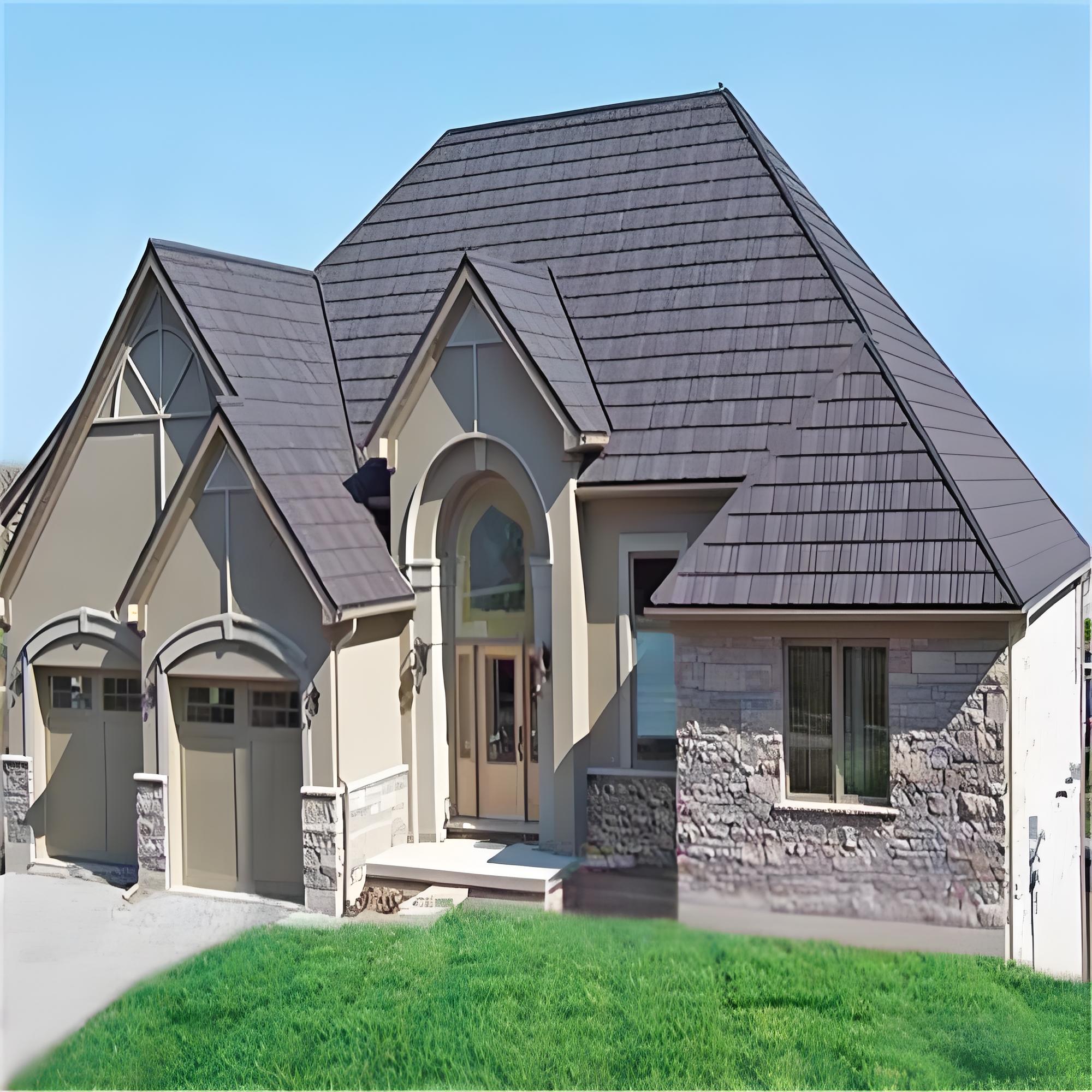
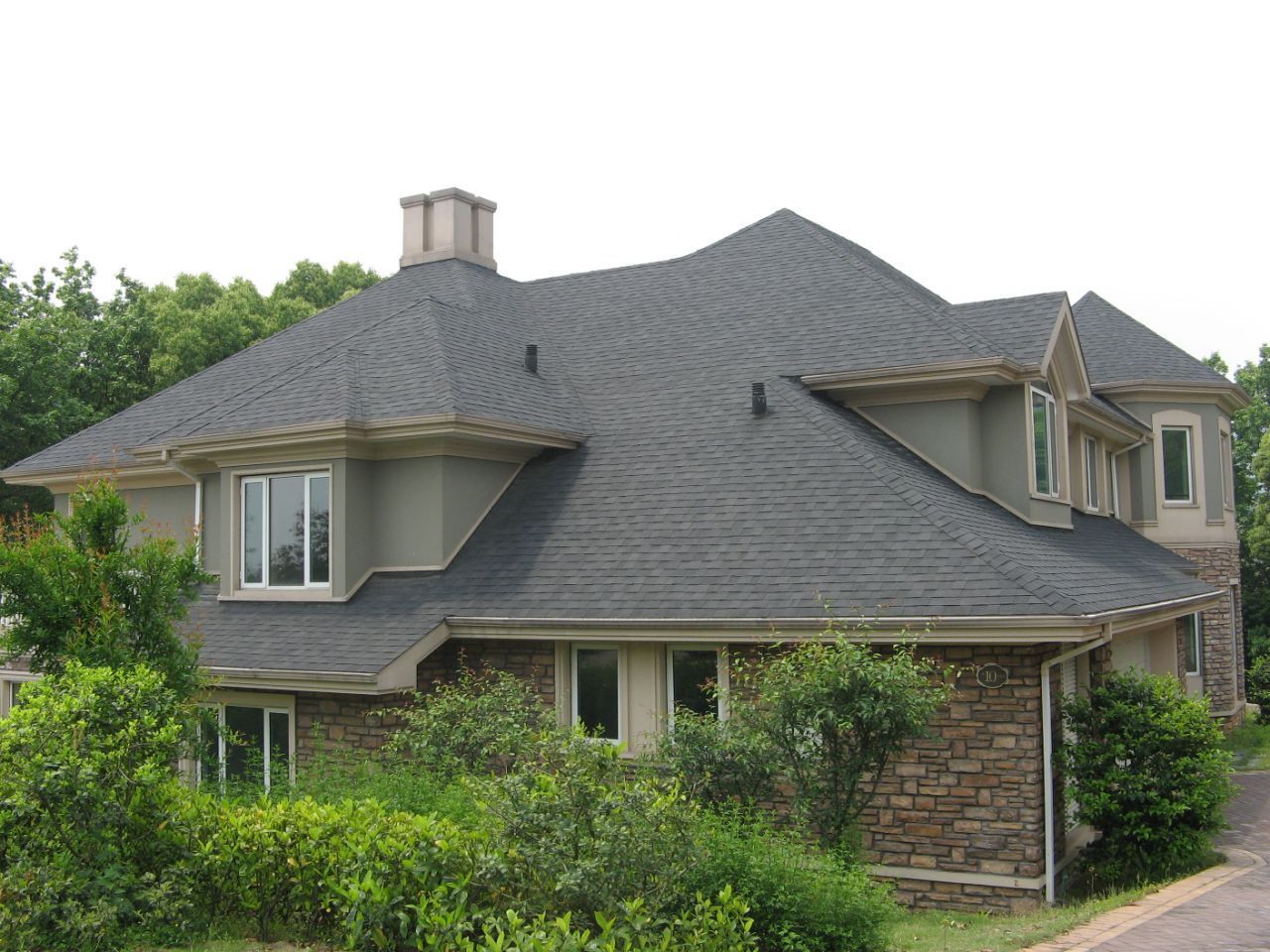
A shake panel has a raised pattern and a stone finish. A few rows can show how the pattern repeats, where joints appear, and how light changes the look. Including a ridge or edge also shows how a visible line meets the roof plane. Buyers can use those observations to make a clear decision before buying a large lot.
Start by asking what the project could get wrong without a physical sample. The owner may care most about color from the road. The roofer may need to see a meeting of several parts. Plan the sample around these real questions and write down what needs a separate review.
Set the purpose of stone coated shake roof mockup approval
Separate appearance, fit, and performance checks
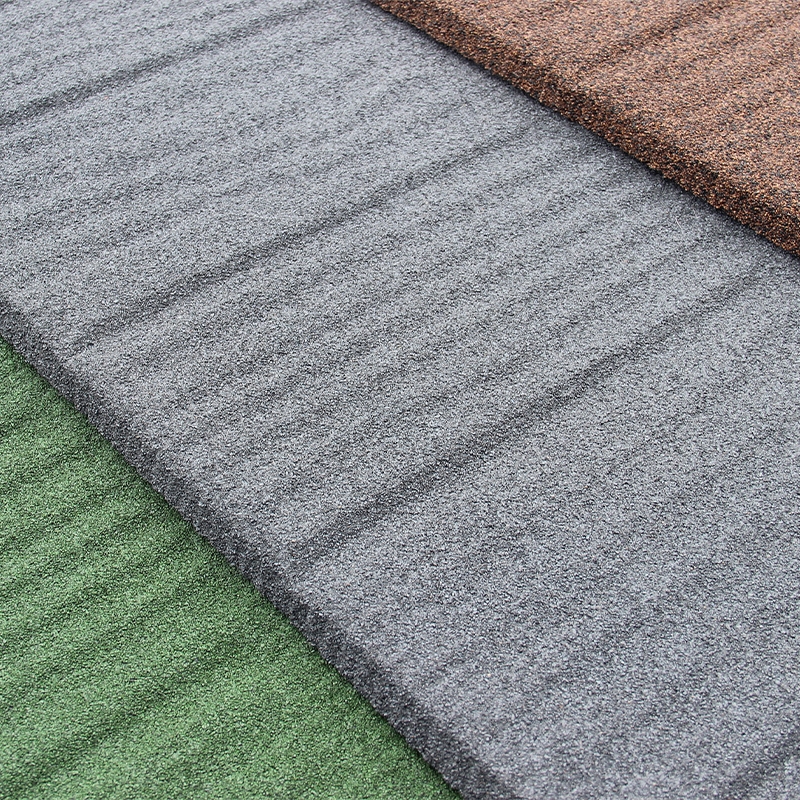
An appearance sample helps the team agree on color, texture, and how the pattern reads from a normal view. A fit sample can show the way parts meet at a joint. It may also help the crew discuss the planned sequence of work. State each purpose so an approval can say what the team saw.
Some jobs call for a formal test as well as a visual check. Let the design team set the test method, conditions, and acceptance criteria. Keep the result with the technical file and identify the sample it covers. An appearance signoff has its own purpose and should stay clear in the record.
The Metrotile Shake profile page illustrates how a maker presents its own texture and finish range. Use that kind of product information to choose what to check on a physical sample. Set the roles and checks for your own roof. Include the person who can release the order after review.
| Review type | Evidence to keep |
|---|---|
| Appearance | Finish code, agreed views, lighting, photos, and physical reference |
| Fit and workmanship | Drawing revision, roof parts, joint notes, and review record |
| Formal test | Test plan, specimen details, method, and the accepted result |
| Order release | Named approver, date, limits, and next actions |
Write a short brief the site team can follow
List the panel, finish, and key detail the sample must include. State who will build it and where it can stay for later comparison. Note the viewing distance and light if the owner has a clear preference. Then agree on whether any part of the sample will form part of the finished roof.
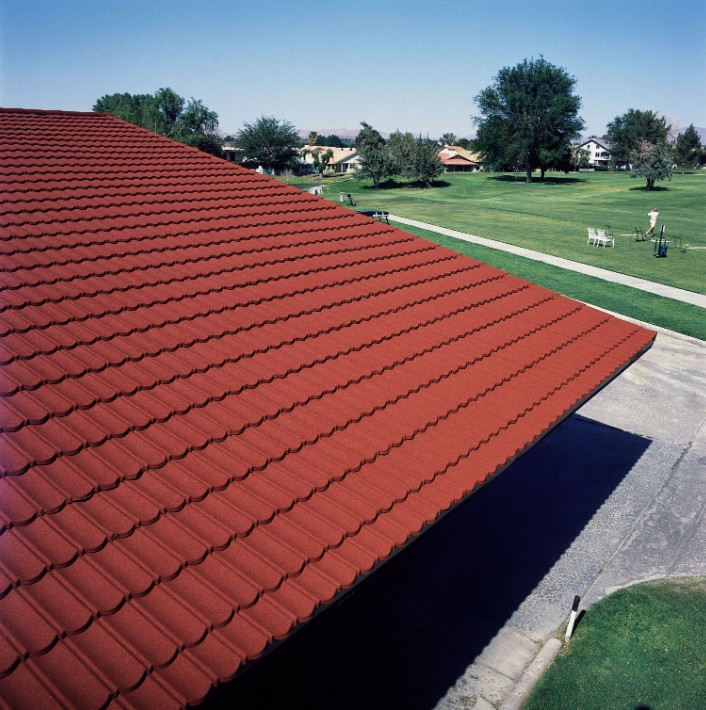
Use the Shake Tile profile to start the product discussion. Ask for the panel code and date of the actual drawing before work on the sample. Also decide which parts need to come from the same source as the order. Give the build team a copy of the brief and the current drawings.
Build a sample that tests the brief
Include enough rows to reveal a pattern
A single panel can show its color and pressed texture up close. Build a field with enough panels to show the joint pattern at the agreed view. Follow the layout in the current project documents so the sample represents the intended roof. Take a photo that captures several rows in a single view.
Ask the installer to identify where the next row starts and how the joints line up. If the pattern uses a change in placement from row to row, record it. This helps the team see whether a visible line comes from the panel or the layout. The shake pattern guide describes useful things to look for across a sample field.
For an important ridge, hip, or wall junction, build the detail from the current drawings. Include the actual trim and closure parts when they matter to fit or appearance. Label any temporary parts and keep them out of the approved material list. Ask the reviewer to say which visible details the sample covers.
Make the sample easy to trace
Attach a label with the project, sample ID, product code, finish, and date. Add the build drawing and record any changes made during assembly. Also log where the panels and trim came from when that information is available. A traceable sample gives the buyer a way to check later deliveries.
A small sample sometimes has a clean edge that would look different on a full roof. Show the actual edge if the owner cares about its shadow or color. Ask the design team whether the mockup represents that part of the roof. Add a note for any edge or view that the sample leaves out.
When discussing the sample with JCROOF, share its ID and the proposed panel and trim codes. Ask how to describe the accepted finish in the order. Send a photo of the sample label with the review notes. This gives the people who quote and pack the order the same reference.
Review the sample under agreed conditions

Look from far away and then close up
Start at the view the owner cares about, such as a drive or a path toward the building. Check the pattern, the edges, and the mix of tones together. Then move closer to look at the joints and finish. Record each observation with its distance and light.
Light can change the way a finish looks across the roof. A roof plane in shade may read differently from one that faces direct sun. The wood-look color guide explains why a physical panel can help with finish approval. Agree on the reference and light before judging a later shipment.
Photos help when reviewers are at different sites. Use a clear overview and close views of the areas under review. Include the sample label in one image and date the photo set. For a close color decision, agree on who will inspect a physical reference and where it will stay.
Record findings as decisions the team can act on
Separate acceptable variation from a defect or a detail that still needs work. For example, record the range of tones the buyer accepts in the approved sample. If a joint line needs a change, mark its position on a photo or drawing. Ask for a revised sample or a review of that part when needed.
Use a short record with an outcome for each review item. The outcome can be acceptance, a required change, or a follow-up question. Give each open issue an owner and a due date. Then state which work or purchase step waits for the answer.
If a reviewer accepts the visual finish but needs more time on a joint, record both decisions. Keep the finish reference available for the supplier. Send the open detail to the person who owns the roof design. Update the order once the missing decision reaches the buyer.
Turn approval into shipment checks
Carry the sample reference into the purchase order
Put the approved sample ID, panel code, finish code, and drawing revision on the order. Ask the supplier to confirm which packs or items match that record. Write down who can accept a change in source, finish, or part code. The packing team and the site team should be able to identify the same items.
For the first delivery, ask the receiving team to compare labels with the order. Select the packs to inspect under the agreed receiving plan. Compare representative panels with the reference under similar light. Log any difference before the crew mixes material from several packs.
Record the product codes and the lot or label details for each accepted group. If the project has several phases, tie each group to the relevant roof area. Ask where the crew will keep spare tiles and trim. Give the owner an ID they can use when they need repairs.
For a simple first delivery check, compare one roof field panel and each visible type of trim in the sample. Record the pack labels and the parts you checked. If a panel seems outside the approved range, show its position beside the reference. Give the reviewer both labels so they can trace the issue.
Set a rule for changes and repeat lots
Decide which changes need a new review before the order ships. A different pattern, finish, trim shape, or source may affect what the sample showed. Ask the supplier to describe the difference and to send the revised file or part. Have the named approver record the result.
A later phase may use a new production lot. Ask the team how it will compare that lot with the reference before installation. Use the same view, lighting, and sample record where practical. If the team approves a new reference, date it and keep the earlier record.
A useful mockup approval can answer three questions long after the sample review. It shows what the team examined, what it accepted, and how to judge later work. Make those answers easy to find on the order and in the delivery file. This lets the approved sample guide the job through handover.
Preparing a shake roof sample for bulk supply? Contact our team with the finish, detail drawings, and the views your reviewers care about. Our specialists will reply and help you plan the material review.