
In the competitive landscape of industrial and residential construction, procurement decisions are increasingly driven by a balance of lifecycle costs and structural resilience. Stone Coated Steel Roofing Sheets have redefined the expectations for modern roofing, offering a sophisticated alternative to heavy clay and fragile asphalt. However, for B2B buyers and contractors, the decision-making process often complicates when comparing specific profiles like Bond, Shingle, and Milano. Selecting the right profile is not merely an aesthetic choice; it is a strategic engineering decision that impacts wind resistance, drainage efficiency, and the overall market value of the project.
The Engineering Foundation of Steel Roofing Systems
To understand why stone coated steel roofing sheets are superior to traditional materials, one must look at the composite material science involved. These sheets are engineered with a high-strength Aluzinc steel core, coated with a 55% Aluminum and 43.4% Zinc alloy. This metallurgical combination provides a “self-healing” cathodic protection that prevents rust from spreading at cut edges or fastener points. For large-scale developments, this means a roofing life expectancy exceeding 50 years with minimal structural maintenance, regardless of the geographic location.
Advanced Coating and Thermal Performance
The external layer of the sheet consists of natural volcanic stone granules, fused to the steel via a high-performance acrylic resin. High-quality manufacturers, such as JCROOF, utilize a specialized sintering process where granules are fired at 800°C to ensure permanent color adhesion. This stone layer does more than just look good; it acts as a thermal barrier and a sound dampener. During heavy tropical rain or hailstorms, the textured surface breaks the kinetic energy of the impact, significantly reducing noise levels compared to bare corrugated metal sheets.
Interlocking Strength and Load Distribution
Every profile is designed with a specific interlocking lip that allows individual sheets to be fastened both horizontally and vertically. This creates a cohesive “structural skin” over the building. In engineering terms, this design transforms the roof from a series of independent panels into a unified diaphragm that adds to the shear strength of the entire structure. This is particularly critical in seismic zones or high-wind coastal areas where the integrity of the building envelope is the first line of defense against catastrophic failure.
Bond Tile: The Versatile Benchmark for Global Construction
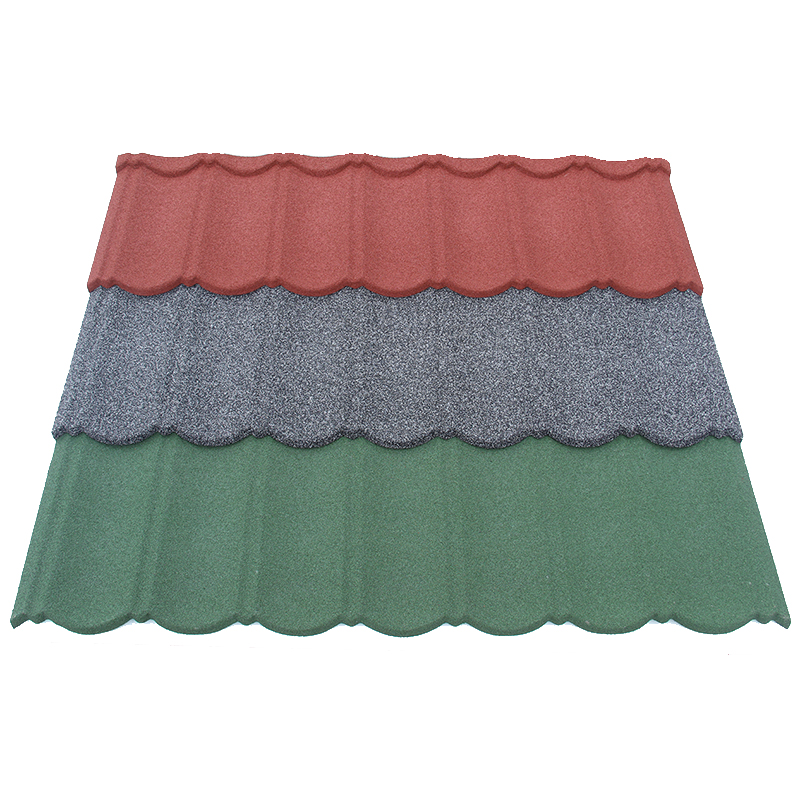
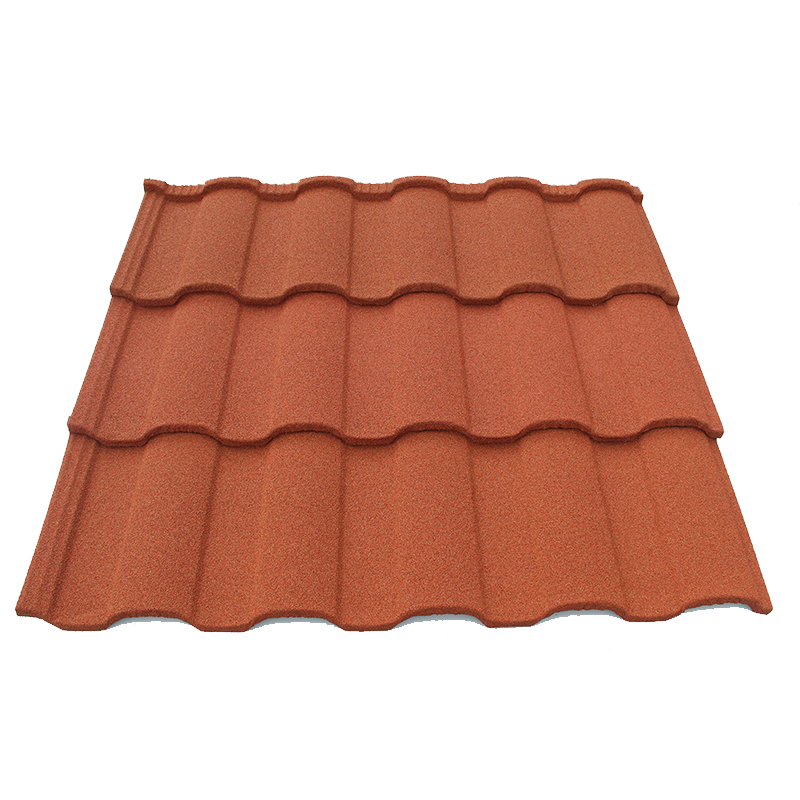
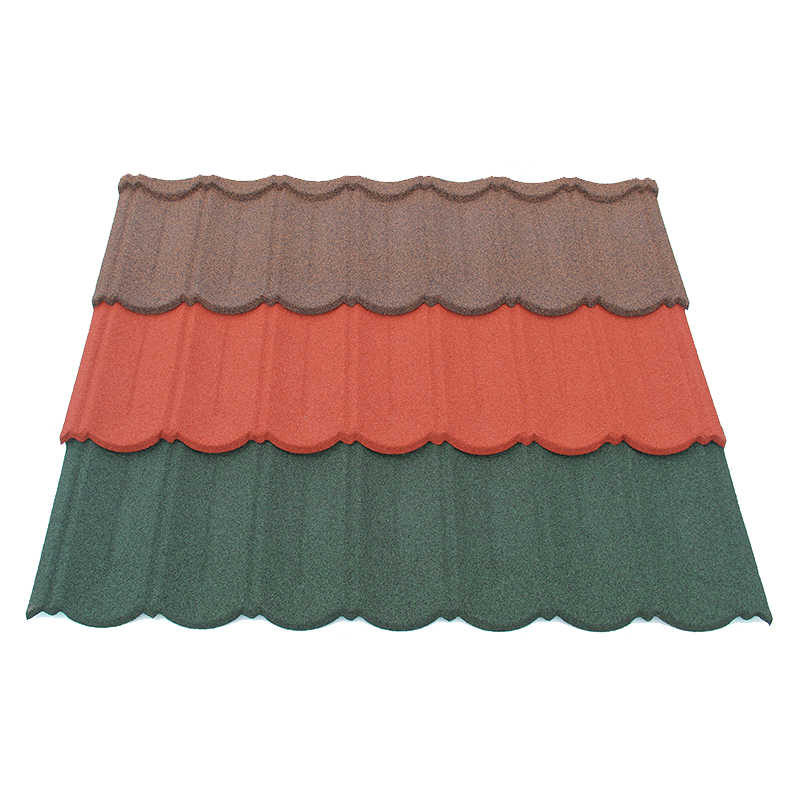
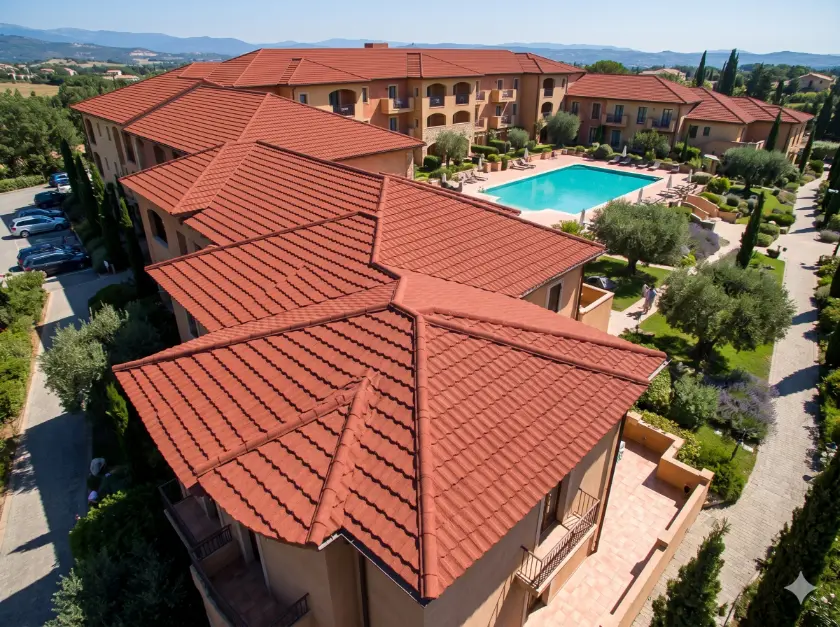
The Bond Tile profile is the most recognized and widely specified variant of stone coated steel roofing sheets. Its design is inspired by the traditional Mediterranean scalloped roof, providing a classic wave-like appearance. For B2B procurement, the Bond profile is often considered the “safe” investment because its aesthetic appeal is universal, making it suitable for everything from affordable housing projects to upscale commercial centers.
Hydraulic Efficiency and Installation Speed
The deep, rolling curves of the Bond profile are engineered for maximum hydraulic efficiency. The valleys between the arcs act as natural drainage channels, capable of shedding high volumes of water during peak rainfall intensity. From a labor perspective, the Bond profile is highly efficient to install. Its symmetrical design allows for a higher degree of tolerance during alignment, which translates to faster project completion and reduced on-site man-hours—a vital factor for maintaining profitability in high-volume construction contracts.
Primary Application Scenarios for Bond Profiles
- Government Infrastructure: Preferred for schools and hospitals due to its durability and standardized maintenance protocols.
- Residential Estates: Ideal for developers aiming for a high-end look while managing a tight procurement budget.
- Refurbishment Projects: The lightweight nature of the Bond sheet allows it to be installed over existing shingles without requiring expensive structural reinforcement.
Shingle Tile: Minimalist Design and Superior Wind Resistance
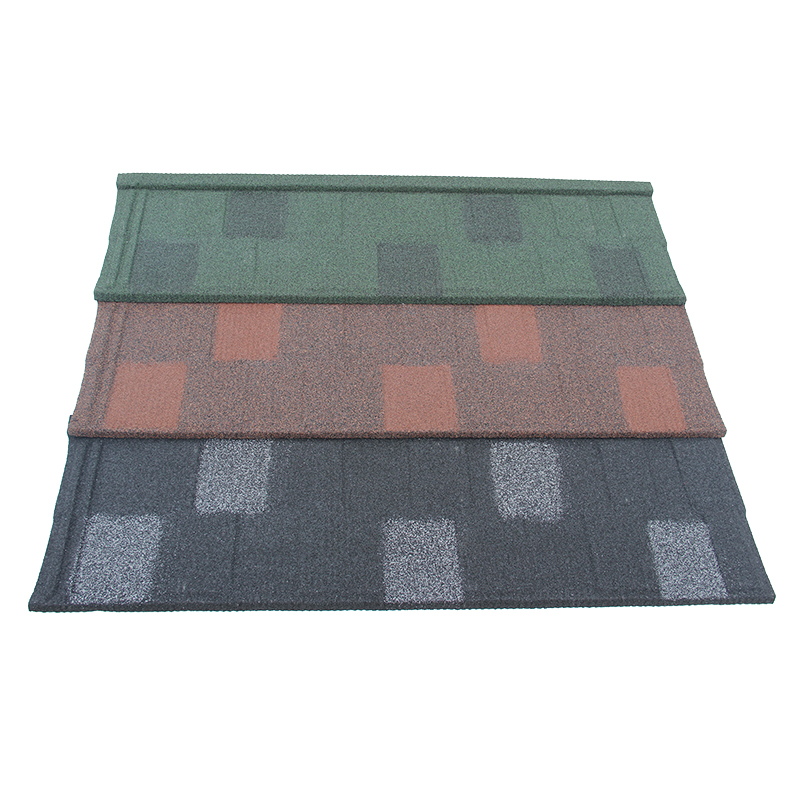
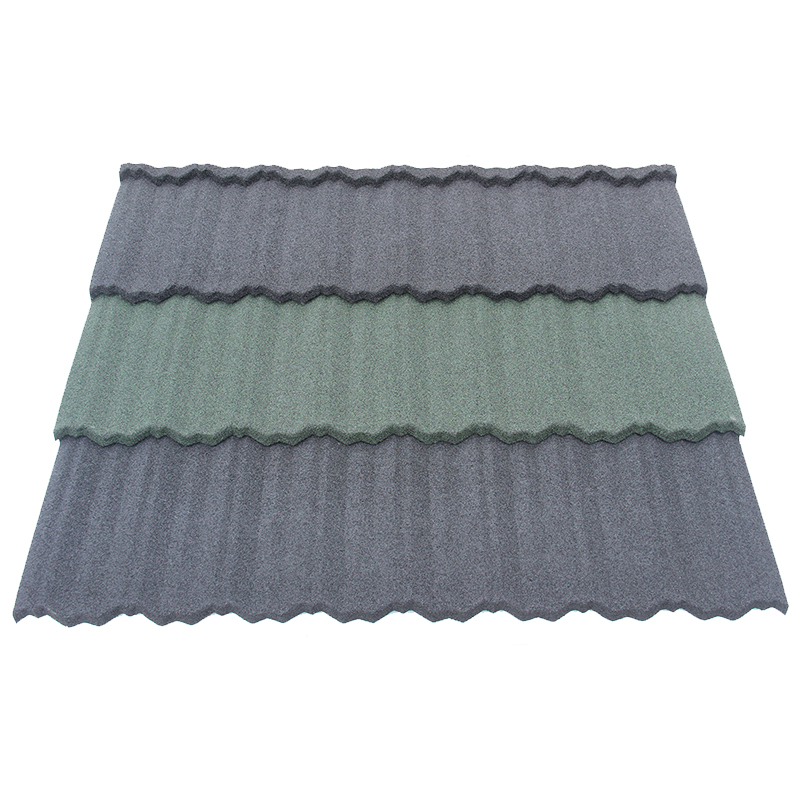
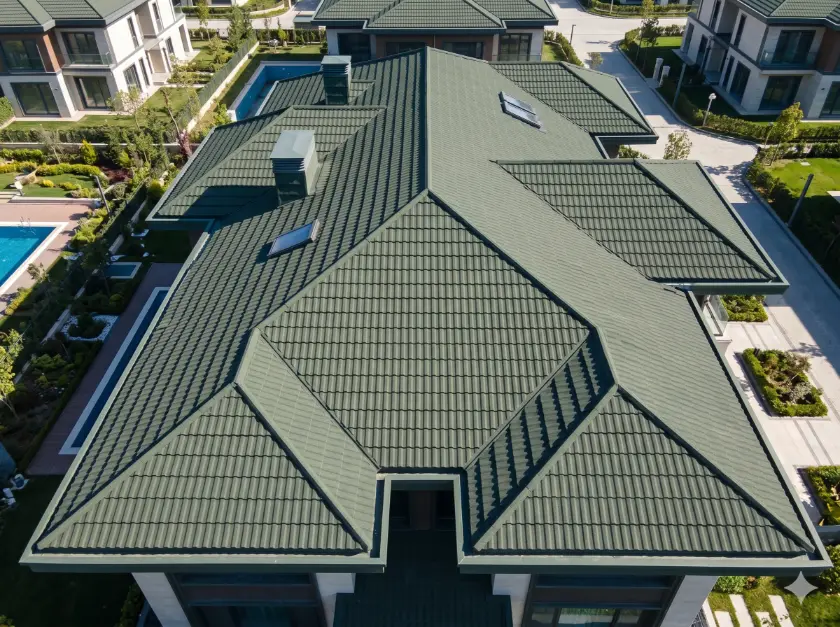
In contrast to the undulating waves of the Bond profile, the Shingle Tile offers a flatter, more textured surface that mimics wood grain or slate. This profile is the cornerstone of modern, minimalist architecture. Its low-profile design is not just a stylistic choice but an aerodynamic one. By reducing the “profile height,” these sheets present a smaller target for wind lift, making them the superior choice for high-altitude or coastal projects where wind speeds frequently exceed 200 km/h.
The Advantages of Hidden Fastener Systems
Many Shingle profiles utilize a specialized horizontal fastening system. Unlike traditional roofs where nails are driven vertically through the top of the sheet, these fasteners are driven into the side of the batten and covered by the overlapping sheet. This hidden fastener technology removes the risk of “nail backing”—a common failure point where fasteners loosen over time due to thermal expansion. For the property owner, this translates to a virtually leak-proof system that requires zero fastener maintenance for decades.
Batten Systems and Energy Efficiency
When installing Shingle sheets, engineers typically recommend a batten and counter-batten system. This creates a continuous air gap between the roof deck and the steel sheets, known as Above-Sheathing Ventilation (ASV). This air gap acts as a natural insulator, allowing heat to dissipate before it reaches the building’s interior. In hot climates, this can reduce cooling costs by as much as 15%, providing a measurable “green” benefit that can be marketed to environmentally conscious buyers or used to meet energy efficiency standards.
Milano Tile: High-End Mediterranean Aesthetics and Structural Depth
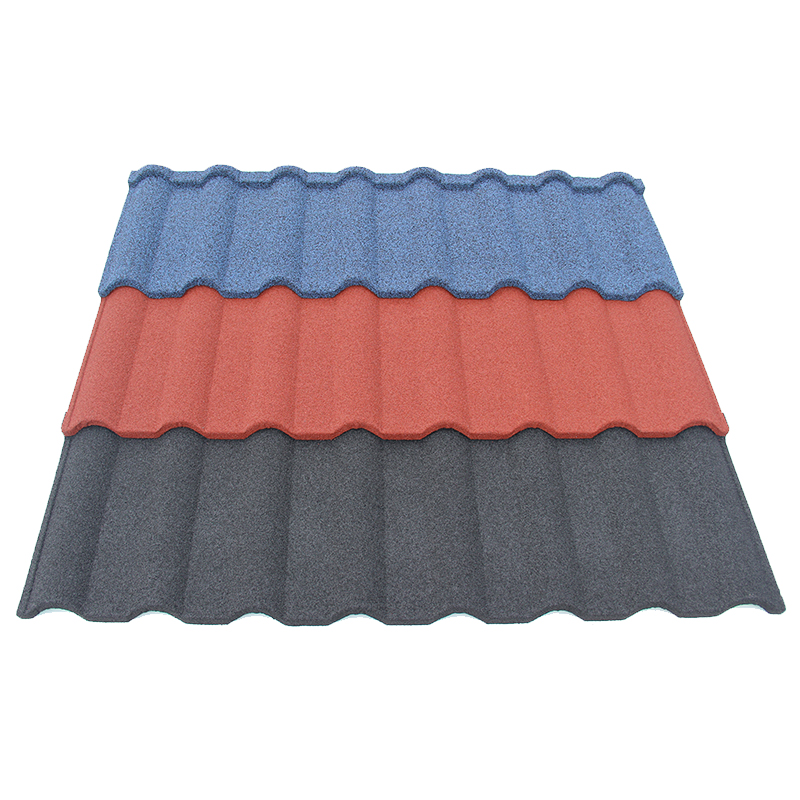
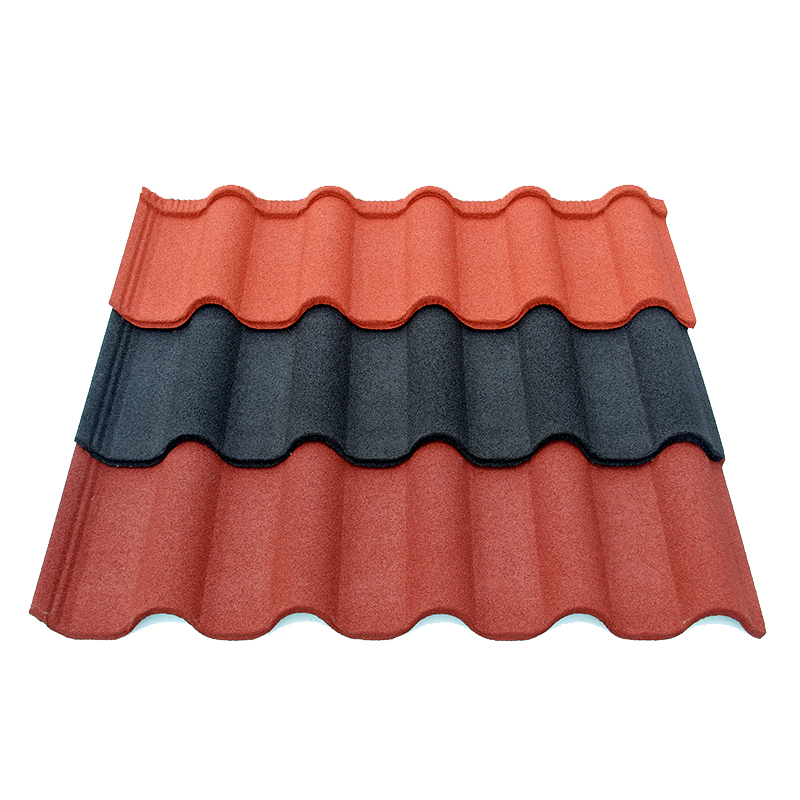
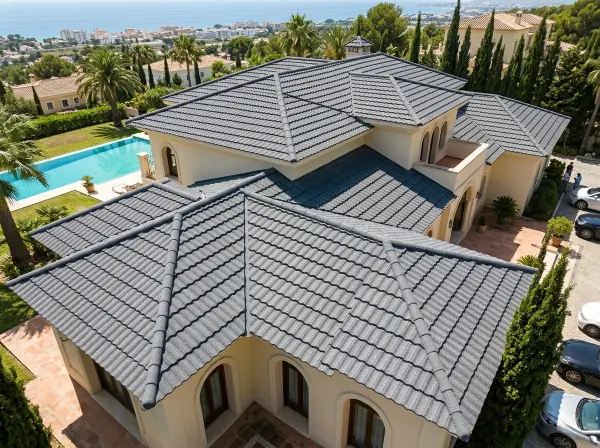
The Milano Tile is the premium choice for architectural projects that demand a sophisticated, “Old World” charm. It features a smoother, more elegant curve than the Bond profile, creating a soft transition across the roof surface. In the hospitality sector—particularly for luxury resorts and boutique hotels—the Milano profile is often the specified standard because it enhances the building’s visual “depth” and prestige, directly impacting guest perception and property valuation.
Deep-Draw Pressing and Material Integrity
The manufacturing of the Milano profile involves a “deep-draw” pressing technique to achieve its characteristic refined arc. This process requires high-ductility steel to ensure that the protective Aluzinc and primer layers do not crack under the mechanical stress of the mold. Purchasing Milano sheets from a reputable manufacturer ensures that the steel grade is optimized for this geometry. The result is a profile that provides excellent air circulation beneath the tiles, preventing the buildup of condensation and protecting the wooden roof structure from rot.
Alternative Engineering Solutions: Roman and Shake Profiles
While Bond, Shingle, and Milano are the industry leaders, specific projects may call for the unique functional properties of Roman Tile or Shake Tile. The Roman profile is characterized by high, prominent ridges and flat valleys, offering the highest water-shedding capacity in the industry. It is the go-to solution for regions experiencing monsoon-level precipitation, where preventing water backup is the primary engineering concern.
Rustic Aesthetics with Modern Fire Safety
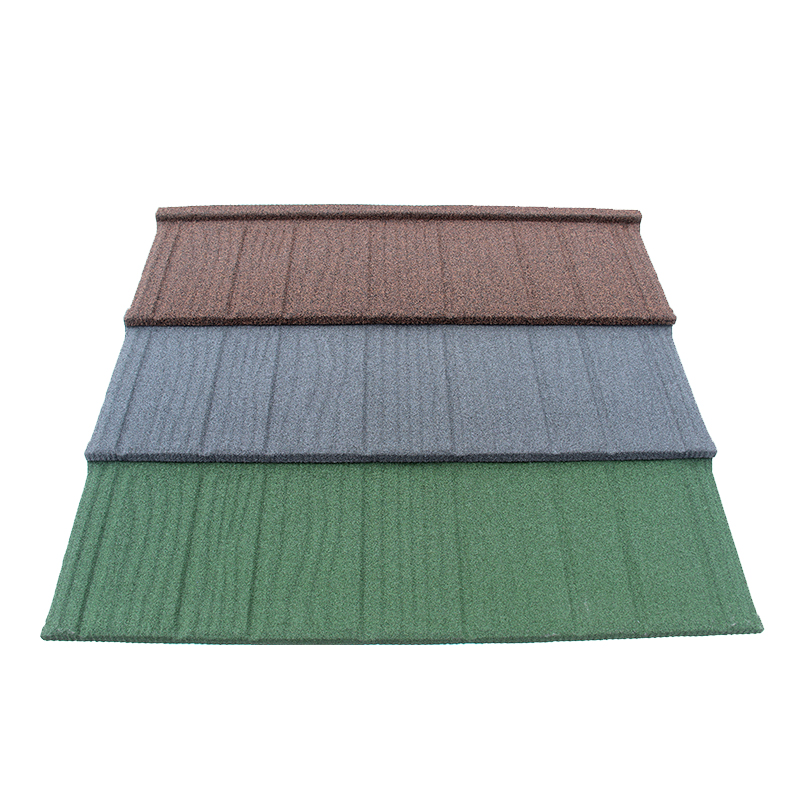
The Shake Tile, on the other hand, is designed for projects that require a rugged, natural look, such as lodges or rural retreats. While it looks like hand-split wood, it provides a Class A fire rating—an essential requirement for building in fire-prone wooded areas. From a B2B perspective, offering Shake profiles allows contractors to meet strict local zoning or “historic character” requirements without sacrificing the safety or longevity of the building.
Technical Specification Comparison Matrix
To assist procurement managers in the final selection process, the following table summarizes the technical performance of the three primary profiles across key engineering metrics.
| Performance Factor | Bond Profile | Shingle Profile | Milano Profile |
|---|---|---|---|
| Visual Style | Traditional / Versatile | Modern / Minimalist | Classic / Premium |
| Installation Speed | High (Universal) | Moderate (Precision) | High |
| Aerodynamic Lift | Standard | Lowest (Best for High Wind) | Standard |
| Primary B2B Value | Cost-Efficiency & Reliability | Energy Efficiency & Security | Architectural Prestige |
Common Pitfalls in Sourcing Stone Coated Steel Roofing Sheets
A frequent error in B2B procurement is the over-reliance on the “price per sheet” as the primary decision factor. Low-cost suppliers often compromise on the Aluzinc coating weight or use lower-grade acrylic glues. Within a few years, these inferior sheets will suffer from “delamination”—where the stone granules peel away, leaving the steel exposed to rust. For an engineering firm, the cost of a warranty claim and the damage to professional reputation far outweigh the marginal savings of a cheaper initial purchase.
Verifying Technical Certifications
Always demand independent testing certifications, such as ISO9001, CE, or SONCAP, before finalizing a supplier agreement. A reliable manufacturer should provide documentation regarding salt spray tests (for corrosion resistance) and fire resistance ratings. Furthermore, ensure that the supplier provides a complete “Roofing System,” including matching flashings, valleys, and ridge caps. Using third-party accessories with mismatched profiles is a leading cause of roof failure and water leaks in new developments.