
Commercial real estate development requires absolute structural precision at every phase. Therefore, architects and lead engineers must calculate the exterior building envelope flawlessly. A miscalculated roof slope causes catastrophic moisture failure globally. Consequently, procurement officers face massive financial liabilities if they purchase incorrect materials. Building a secure facility requires understanding exact hydrological dynamics. Indeed, developers increasingly specify Stone Coated Metal Tiles to protect their massive investments. However, these advanced architectural panels require specific installation angles to function properly. This professional engineering guide explores the critical science of roof pitch. Furthermore, it explains how specific angles dictate long-term weather resistance completely. As a result, B2B buyers can confidently source materials for international construction projects. Thus, property portfolios remain highly profitable and structurally sound for decades.
The Physics of Roof Slope and Hydrological Dynamics
The engineered angle of a commercial roof dictates water velocity entirely. If a roof is too flat, heavy rainwater pools dangerously on the surface. Consequently, this standing water exploits microscopic weaknesses in the underlying synthetic underlayment. Conversely, highly steep pitches shed water instantly but complicate the installation process heavily. Therefore, finding the optimal pitch balances structural safety with labor efficiency perfectly. Ultimately, mastering these hydrological dynamics protects the massive underlying real estate asset completely.
Minimum Pitch Requirements for Metal Systems
Every commercial roofing material possesses an absolute minimum slope requirement legally. Standard municipal building codes demand strict adherence to these technical specifications constantly. Specifically, advanced metal panels generally require a minimum pitch of 3/12. This translates to roughly 15 degrees of structural elevation. Therefore, installing panels below this angle invites catastrophic capillary water action. Consequently, wind-driven rain travels upward underneath the overlapping steel joints easily. Thus, engineers must strictly enforce this minimum threshold during the initial blueprint phase. Ignoring this vital measurement instantly voids the 50-year manufacturer warranty entirely.
Managing High-Velocity Tropical Monsoons
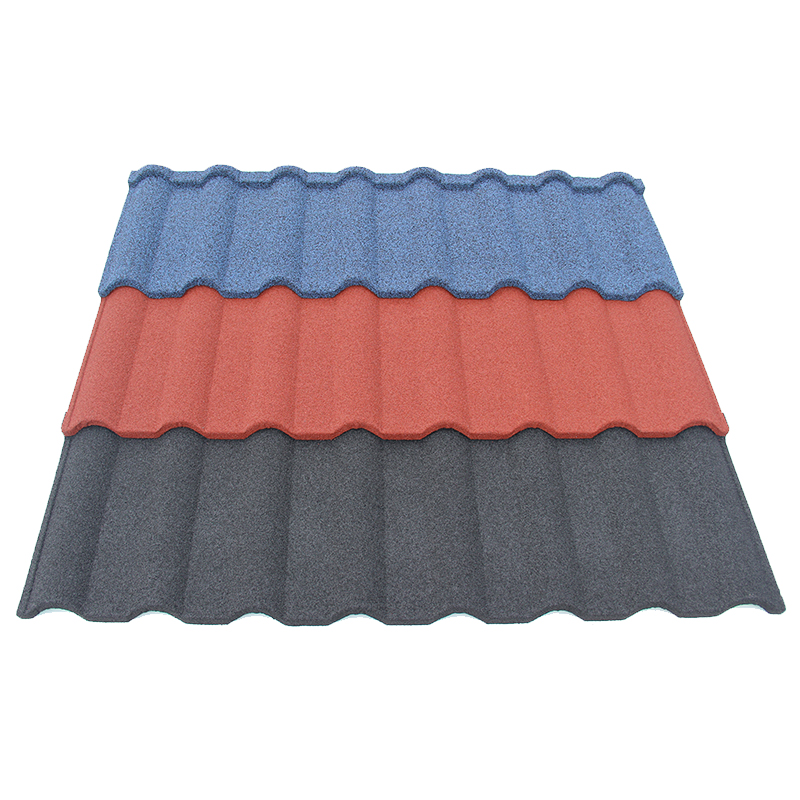
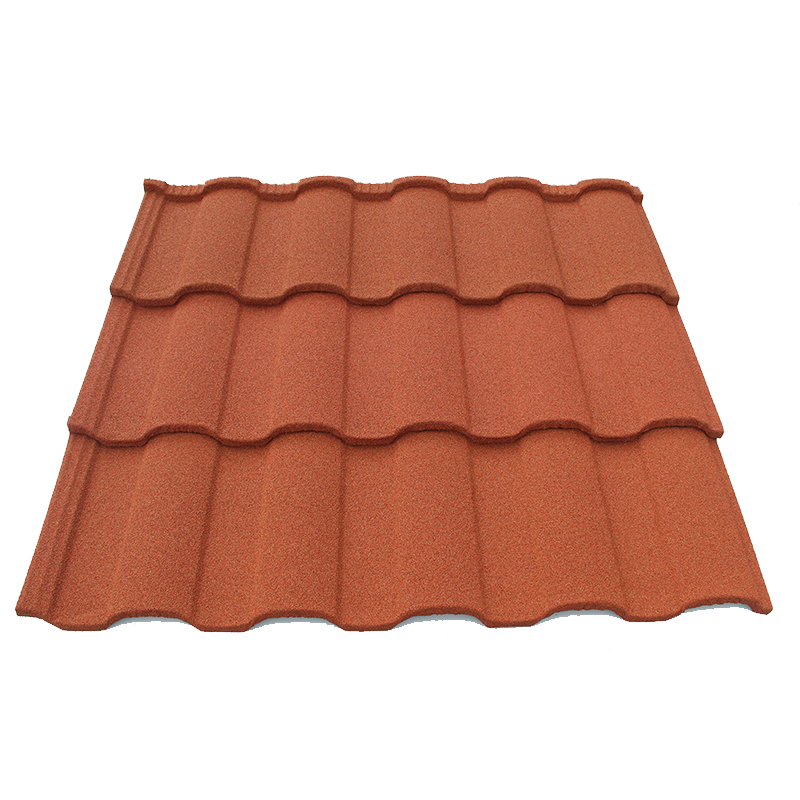
International construction projects face vastly different regional climate threats daily. For instance, commercial developments in the Philippines or Zambia endure brutal monsoon seasons annually. Therefore, architects must increase the roof pitch significantly to manage this extreme water volume. Steeper angles accelerate water evacuation away from the sensitive interlocking seams rapidly. Furthermore, specifying the correct geometric profile is absolutely essential here. The deeply channeled Roman Tile handles massive hydraulic loads exceptionally well on steeper slopes. Consequently, its sweeping valleys flush heavy tropical rainwater off the building instantly. Thus, the interior commercial spaces remain perfectly dry during violent seasonal storms.
Architectural Profiles and Pitch Compatibility
Different roofing shapes do not perform equally across all structural angles. Therefore, developers must match the specific architectural profile to the engineered roof slope perfectly. Otherwise, structural failures will inevitably occur during heavy seasonal rainstorms. Furthermore, the visual aesthetic of the commercial property depends heavily on this precise combination. Consequently, procurement teams must understand profile compatibility before finalizing any massive bulk orders. Thus, careful selection guarantees both stunning curb appeal and flawless weatherproofing.
Low-Slope Commercial Applications
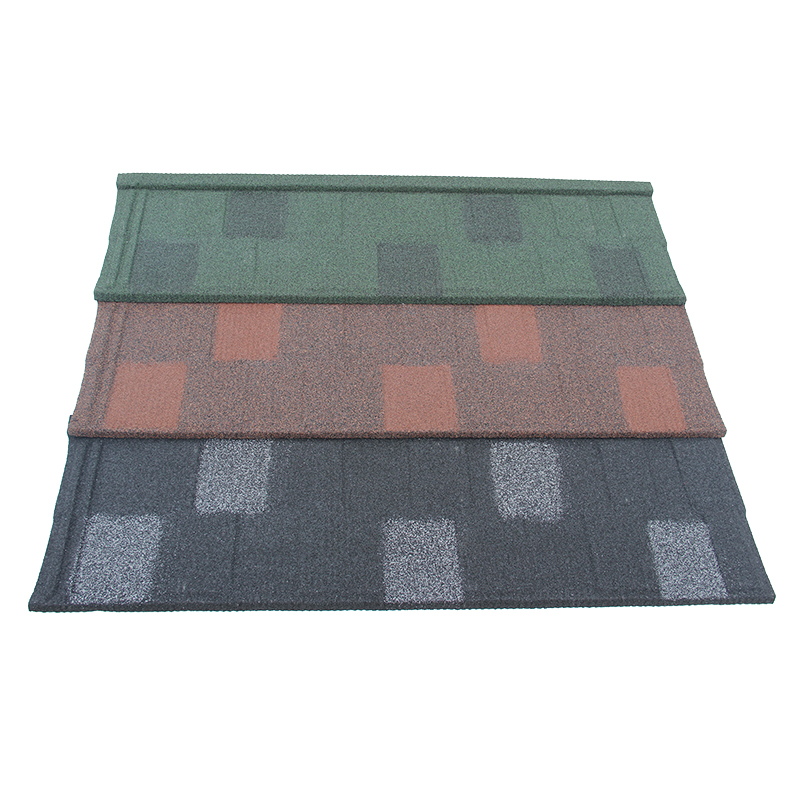
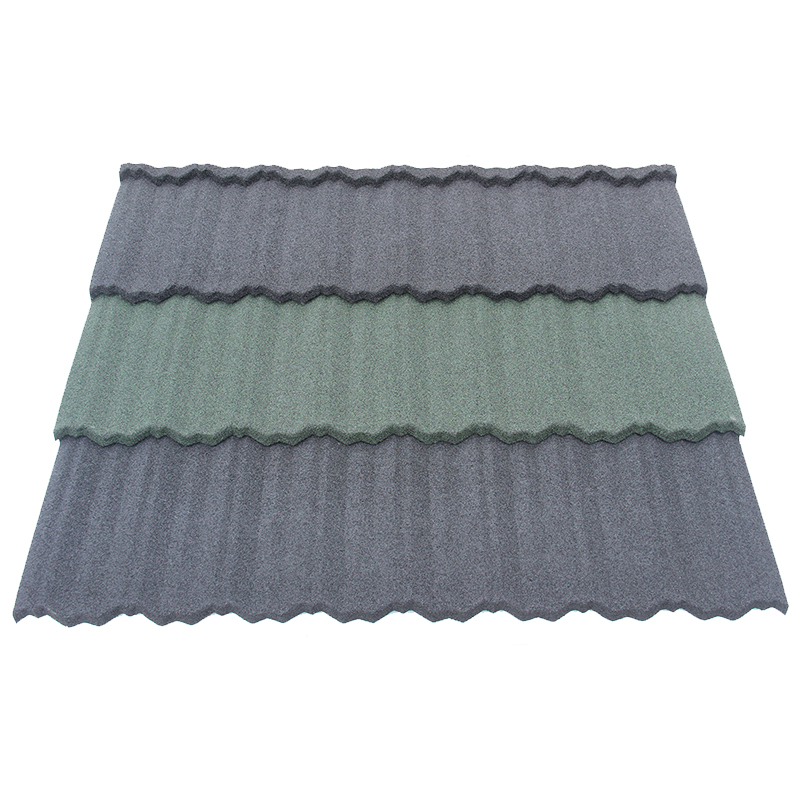
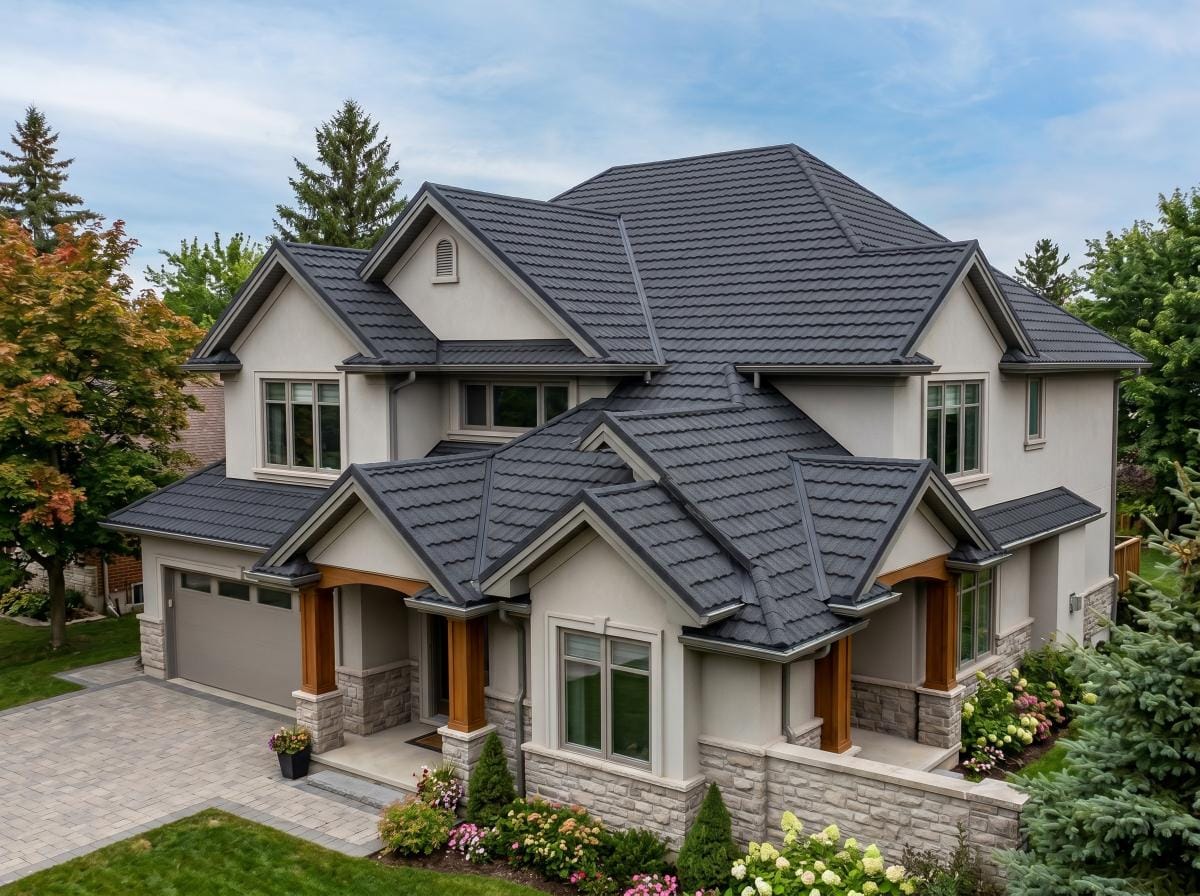
Modern commercial architecture frequently utilizes low-slope designs to achieve a sleek, minimalist aesthetic. However, these flatter profiles demand highly specific, tight-fitting interlocking metal panels. Specifically, a premium Shingle Tile provides exceptional performance for these lower-pitched corporate facilities. Its flat, highly precise geometric design locks together tightly over the underlying batten grid. Consequently, the fasteners remain completely hidden from horizontal, wind-driven rain completely. Therefore, the sleek aesthetic is maintained without sacrificing essential waterproof security. Thus, developers achieve the desired modern look while mitigating long-term moisture liabilities.
Steep-Slope Luxury and Government Projects
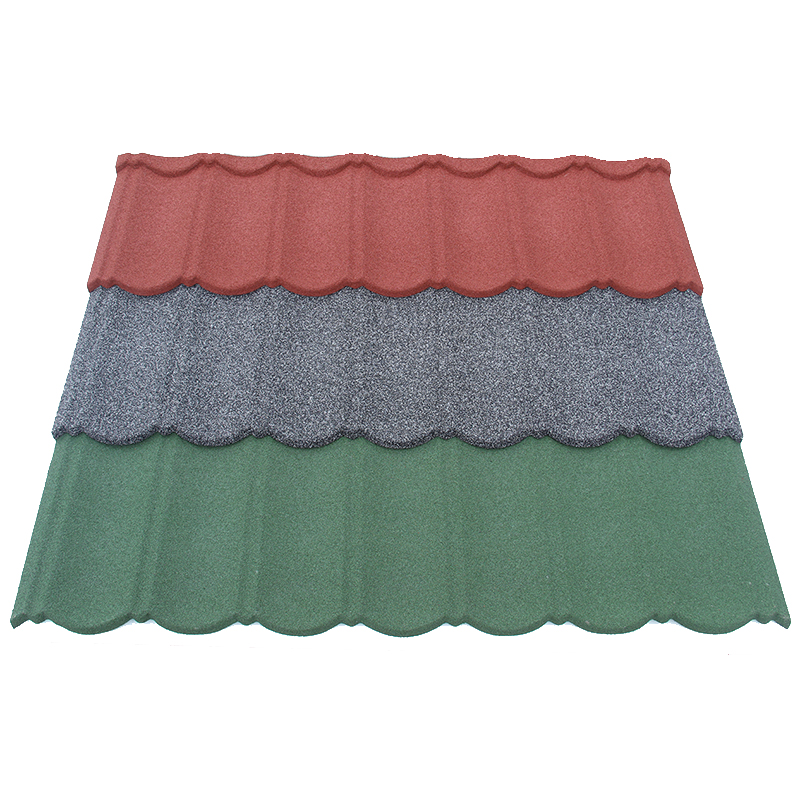
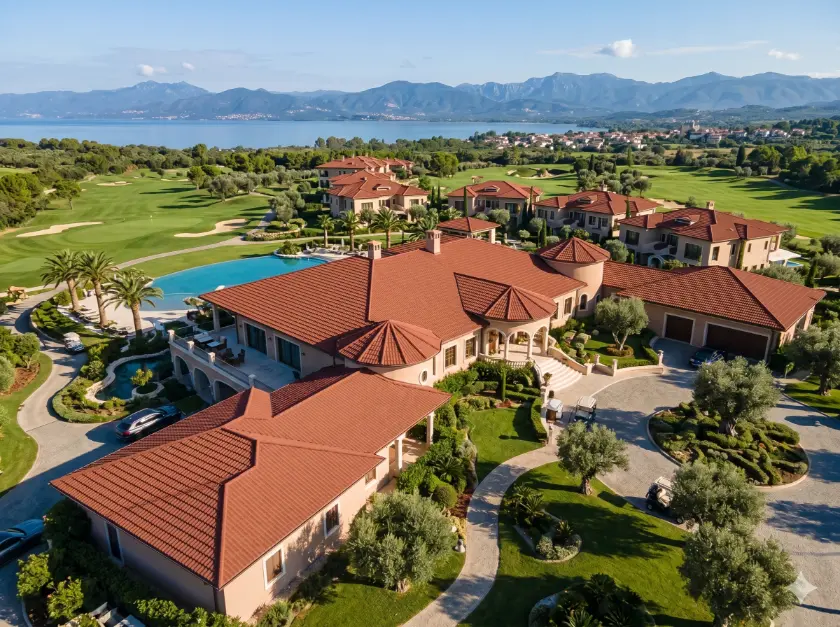
High-profile government buildings and luxury resorts demand dramatic, highly visible architectural rooflines. Therefore, architects frequently design these massive structures with very steep, imposing pitches. This elevated angle maximizes the visual impact of the chosen exterior cladding. For example, the luxurious Mediterranean curves of a Milano Tile look spectacular on steep elevations. Consequently, the high-temperature sintered colored sand catches the sunlight beautifully from the ground level. Furthermore, the steep pitch ensures that dirt and industrial soot wash away completely during rainfall. Thus, the property maintains its prestigious, premium appearance with absolutely zero manual cleaning.
Structural Load Distribution and Aerodynamic Forces
The roof’s angle fundamentally changes how the commercial building handles massive kinetic forces. Specifically, steep pitches catch significantly more horizontal wind during severe storms. Conversely, flatter pitches accumulate massive dead weight from winter snow or organic debris. Therefore, structural engineers must calculate these opposing variables precisely during the design phase. Consequently, the selected building materials must withstand these specific regional stresses perfectly. Ultimately, proper pitch engineering prevents devastating structural collapses entirely.
Aerodynamics and Hurricane Resistance
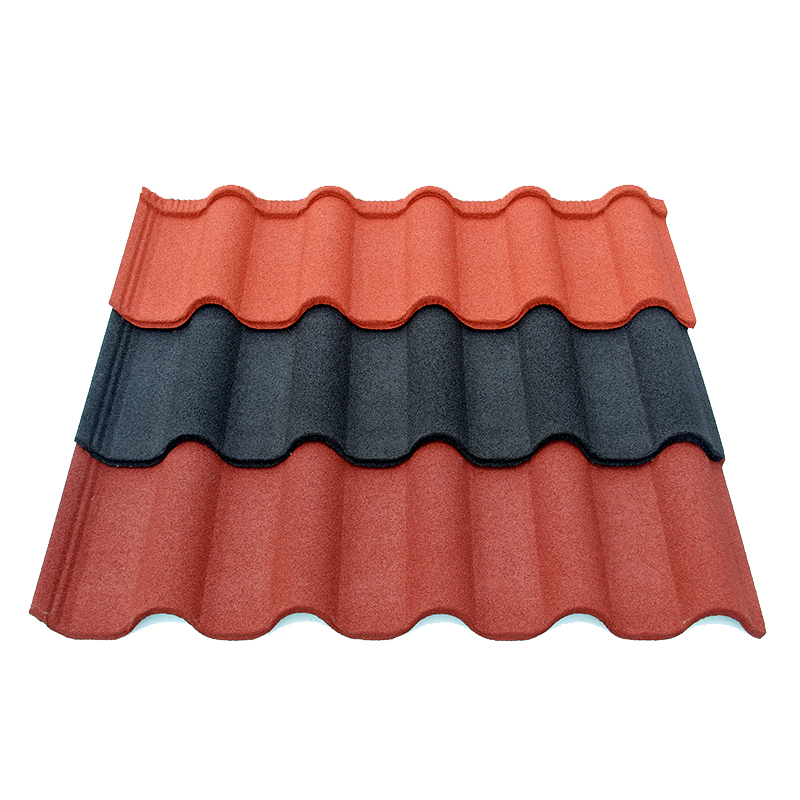
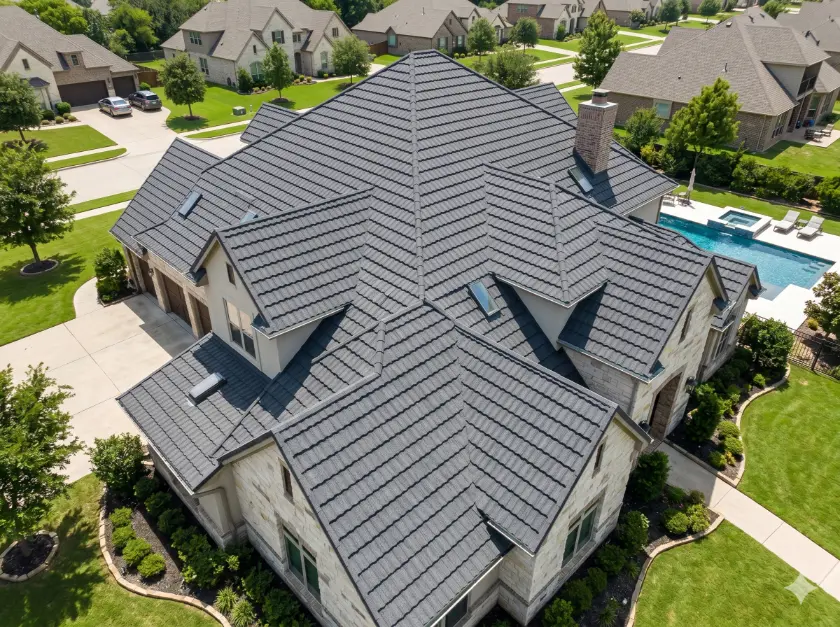
Coastal real estate developments face constant threats from extreme, high-velocity hurricane winds. Therefore, the roof pitch must minimize aerodynamic drag while maintaining aesthetic appeal. A moderately steep pitch deflects wind efficiently, but it requires incredibly strong mechanical fasteners. Specifically, the heavy-duty Bond Tile delivers unparalleled strength in these harsh coastal environments. Its unique single-line groove creates massive structural rigidity across the entire interlocking panel. Consequently, when secured to a proper batten grid, it resists massive uplift pressure flawlessly. Thus, the commercial building envelope survives violent horizontal wind events without suffering catastrophic blow-offs.
Debris Accumulation and Dead Weight
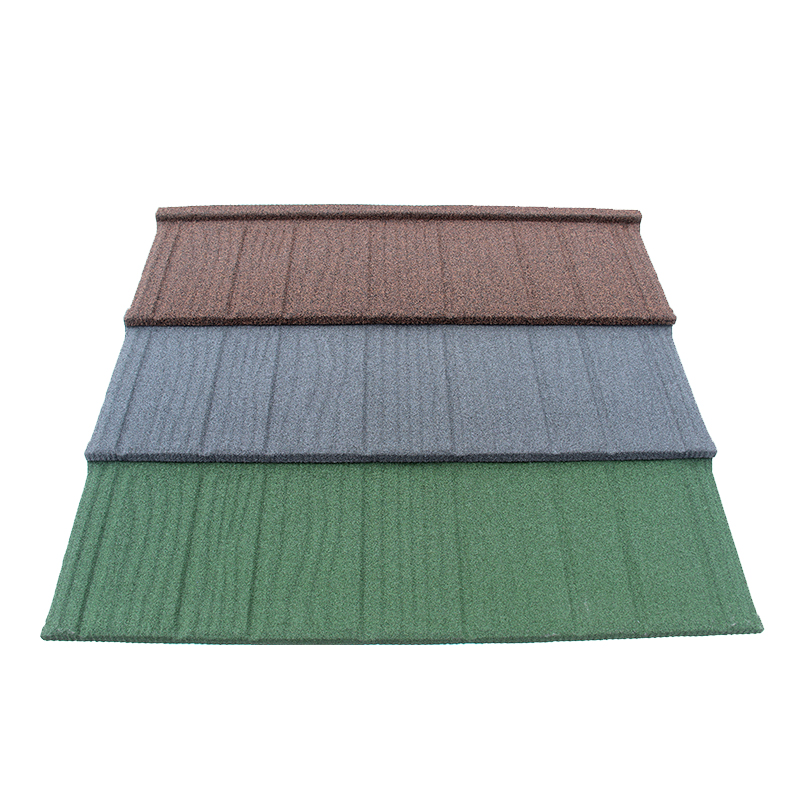
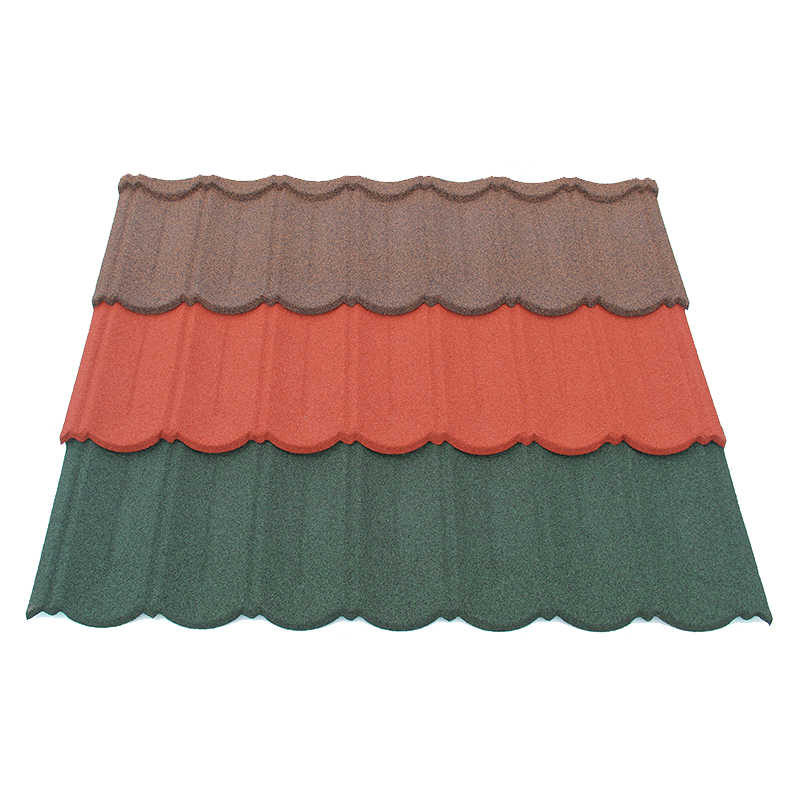
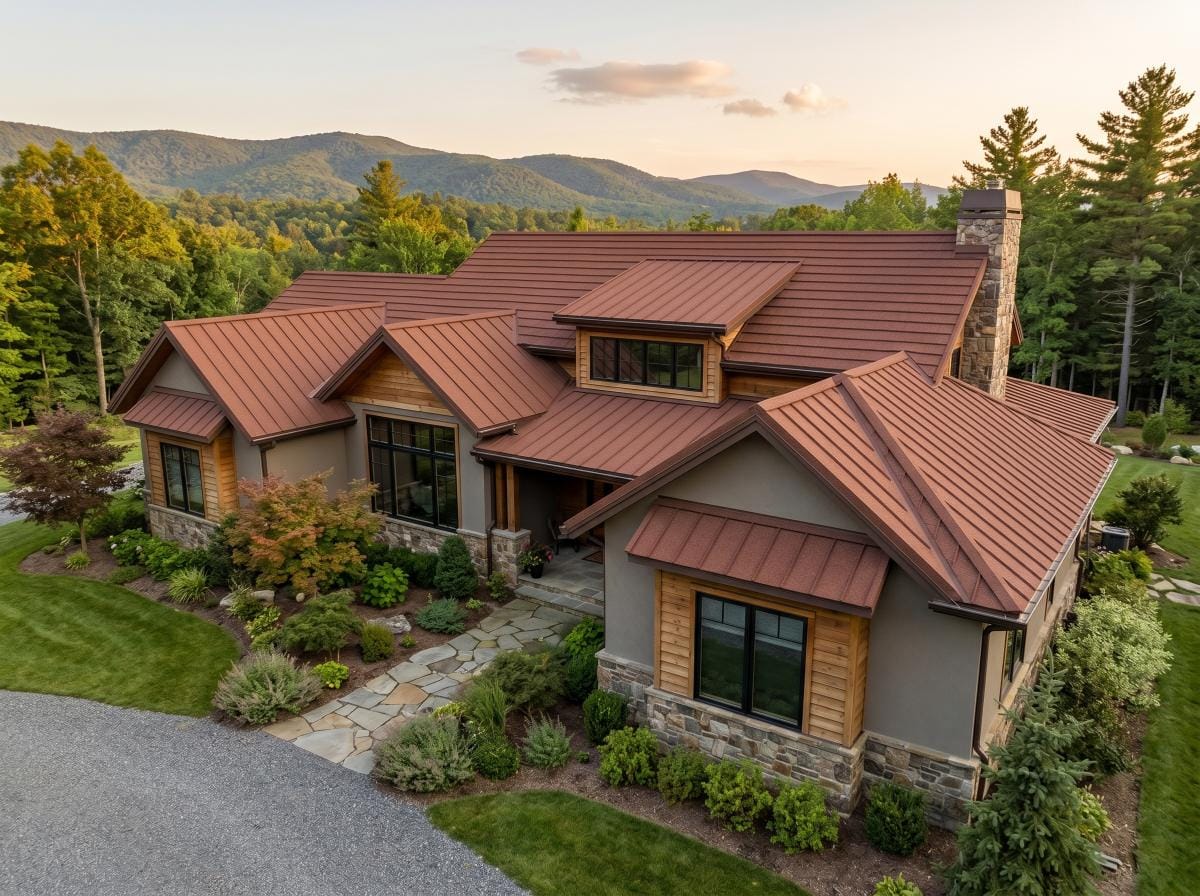
Commercial facilities surrounded by heavy timber face unique environmental challenges daily. Specifically, falling pine needles and autumn leaves accumulate rapidly on flatter roof slopes. Consequently, this trapped organic debris holds moisture and rots traditional roofing materials quickly. Therefore, specifying a steeper pitch allows gravity to shed this debris naturally and effortlessly. Furthermore, utilizing a heavily textured Shake Tile enhances this natural shedding process perfectly. Its rugged, wood-grain texture breaks up clumped debris while replicating authentic timber aesthetics flawlessly. Thus, property managers avoid paying expensive maintenance crews to clear the roof manually every season.
B2B Procurement and Supply Chain Logistics
Mastering pitch engineering is useless without a highly reliable international supply chain. Procurement teams must source materials that strictly meet these engineered structural tolerances. Consequently, buying from unverified, low-tier brokers creates massive financial liabilities for developers. Sourcing substandard steel ruins the careful architectural planning completely. Therefore, securing authentic, premium materials requires partnering directly with proven industrial manufacturers. Thus, global real estate firms maximize their corporate purchasing power successfully.
Factory-Direct Quality Control
The B2B building materials market is currently flooded with cheap, unreliable imitations. Therefore, smart procurement officers bypass middlemen and buy factory-direct exclusively. A legitimate manufacturer offers absolute batch consistency across massive wholesale orders globally. Specifically, JCROOF operates strictly within this elite, B2B wholesale export tier constantly. They leverage 11 years of dedicated manufacturing experience to deliver flawless structural quality. Furthermore, they enforce a strict wholesale-only policy, demanding an MOQ of 1 container minimum. Consequently, they supply massive commercial projects seamlessly across Zimbabwe, Mexico, Tanzania, and beyond. Thus, developers eliminate quality control risks entirely by trusting an established industrial expert.
Warranty Validation and Technical Specifications
A fifty-year commercial warranty is the ultimate proof of material reliability. However, manufacturers will instantly void this warranty if the roof pitch is completely wrong. Therefore, B2B buyers must demand official technical installation manuals before authorizing payment. Procurement officers must cross-reference these documents with the architect’s final structural blueprints. Consequently, they ensure that the specified slope meets the factory’s exact engineering requirements. Furthermore, buyers must source the correct, factory-matched flashing accessories simultaneously. Thus, the entire roofing system integrates perfectly, guaranteeing massive, long-term ROI for the real estate portfolio.
Calculating the ROI of Proper Pitch Engineering
Commercial construction is ultimately driven by strict financial mathematics and long-term asset valuation. Therefore, investing time in proper roof pitch engineering yields massive financial dividends consistently. A correctly pitched metal roof eliminates reactive maintenance budgets almost entirely. Consequently, the net operating income of the commercial facility increases significantly over time. Furthermore, insurance underwriters offer massive premium discounts for structurally optimized metal roofing. Thus, the upfront engineering effort pays for itself rapidly.
Lowering Ongoing Operational Expenses
Standard asphalt roofs require constant patching and expensive annual safety inspections. Furthermore, shallow-pitched masonry roofs accumulate destructive black algae incredibly fast. However, an optimally pitched stone coated metal roof cleans itself automatically. Heavy rainfall washes the UV-stabilized acrylic overglaze completely clean effortlessly. Consequently, facility managers slash their annual cosmetic maintenance budgets down to zero. Therefore, the property yields significantly higher corporate profits every single quarter. Thus, smart structural design directly influences the financial success of the building.
Securing Better Insurance Premiums globally
Global insurance conglomerates scrutinize commercial building designs with extreme prejudice. They penalize flat, vulnerable roofs heavily due to high collapse risks. Conversely, they heavily reward buildings featuring optimal pitches and indestructible metal cladding. An engineered metal roof provides an absolute Class A fire safety rating. Furthermore, it delivers a Class 4 impact resistance rating against severe hailstorms. Consequently, property owners secure highly favorable, discounted insurance premiums annually. Thus, the total cost of ownership remains incredibly low throughout the building’s fifty-year lifespan. Ultimately, mastering roof pitch is a mandatory B2B strategy for maximizing real estate profits.