
Roofing material certifications separate documented performance from marketing language. Nearly every manufacturer claims strong durability and weather resistance. Far fewer can produce the specific certificates that actually prove it. This guide breaks down the core certification categories a roofing tile manufacturer should hold, and how to verify they apply to your specific purchase.
Why Certifications Matter More Than Marketing Claims
A product description can say almost anything without consequence. A certification comes from an independent body that tested the product against a specific standard. This distinction matters most when local code or insurance requirements demand proof, not just a manufacturer’s word. Buyers who understand which certifications actually apply can separate serious manufacturers from those relying purely on marketing polish.
Certifications Come From Independent Testing
A legitimate certificate reflects testing performed by a third-party lab, not the manufacturer itself. This independence gives the certification real weight during code review or insurance evaluation.
Not Every Certification Applies to Every Product Line
A manufacturer might hold a strong certification for one product while a related product line carries no equivalent testing. Buyers need to confirm certification applies to their exact profile, not just the brand in general.
Breaking Down the Core Certification Categories Roofing Manufacturers Should Hold
Four certification categories matter most for stone coated roofing manufacturers. These cover quality management systems, product performance testing, regional compliance standards, and environmental credentials. The table below summarizes what each category typically confirms.
| Certification Category | What It Confirms | Example Standards |
|---|---|---|
| Quality Management | Consistent manufacturing processes and quality control | ISO 9001 |
| Product Performance Testing | Wind uplift, impact resistance, and fire classification | ASTM, UL, or equivalent regional testing standards |
| Regional Compliance | Approval for use in a specific destination market | CE marking, local building code approval |
| Environmental Credentials | Recycled content and sustainable manufacturing practices | Environmental product declarations, recycled content certificates |
Quality Management System Certification
A quality management certification like ISO 9001 confirms a manufacturer follows documented, consistent processes across production. This does not test the product directly, but it signals disciplined manufacturing practices behind it.
Product Performance Testing Standards
Performance certifications confirm specific, measurable results under controlled testing. Wind uplift ratings, Class 4 impact resistance, and Class A fire classification all fall under this category. Buyers should request the certificate itself, not just a summary claim.
Regional Compliance and Market Approval
Some markets require specific regional certifications before allowing a product for construction use. A certificate valid in one country does not automatically satisfy another country’s requirements.
How to Verify These Certifications Apply to Your Specific Purchase
Certification requirements shift depending on project location and climate risk. The following examples show how this verification plays out across common purchasing scenarios.
Wind Rating Verification for Coastal Projects
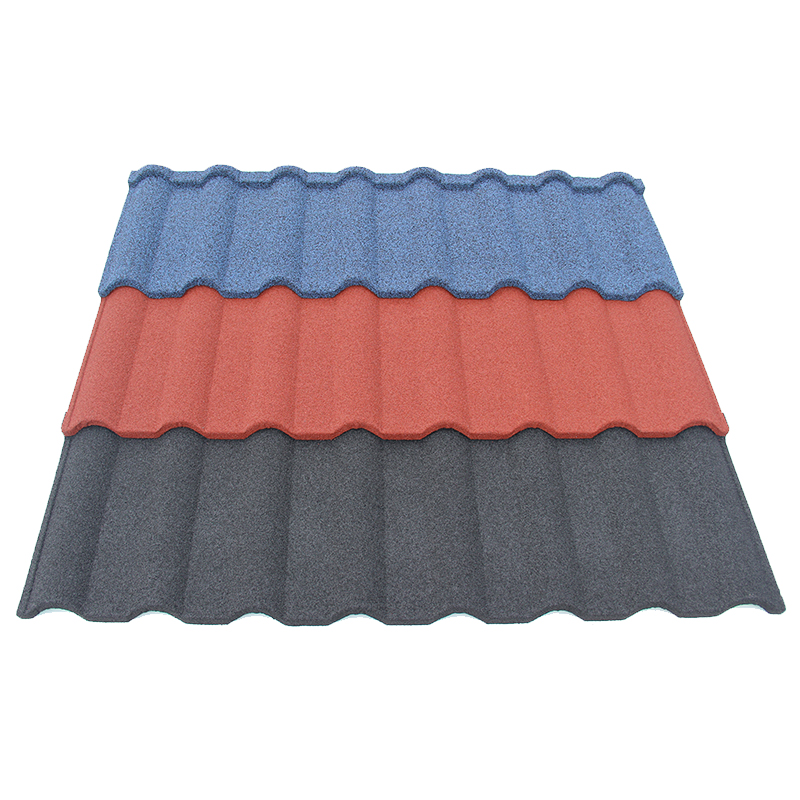
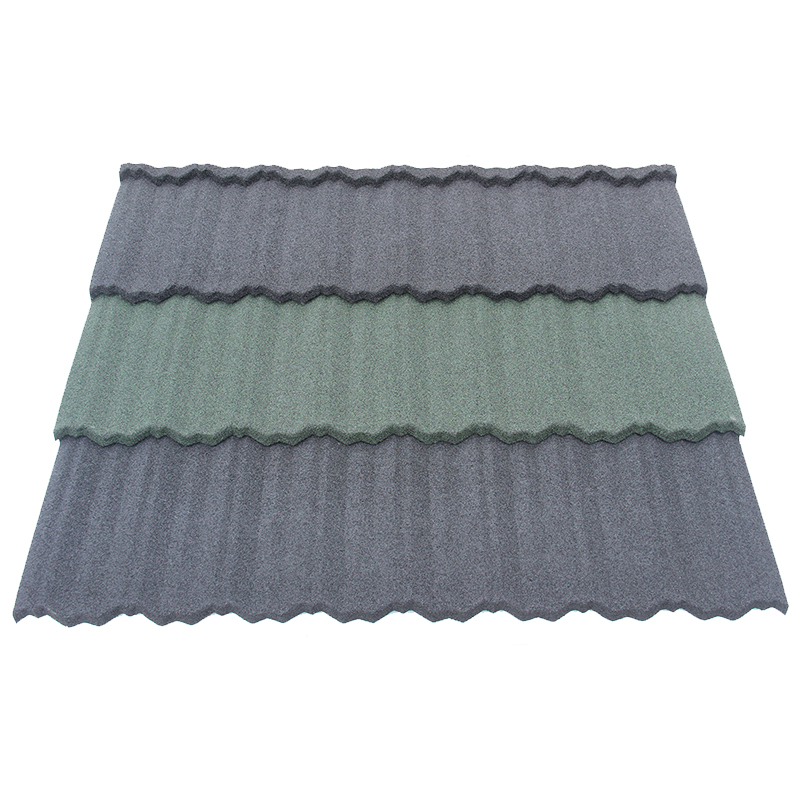
Buyers sourcing a profile like Bond Tile for a coastal project should confirm documented wind uplift testing specific to that exact profile and gauge.
Fire Classification for Wildfire Interface Zones
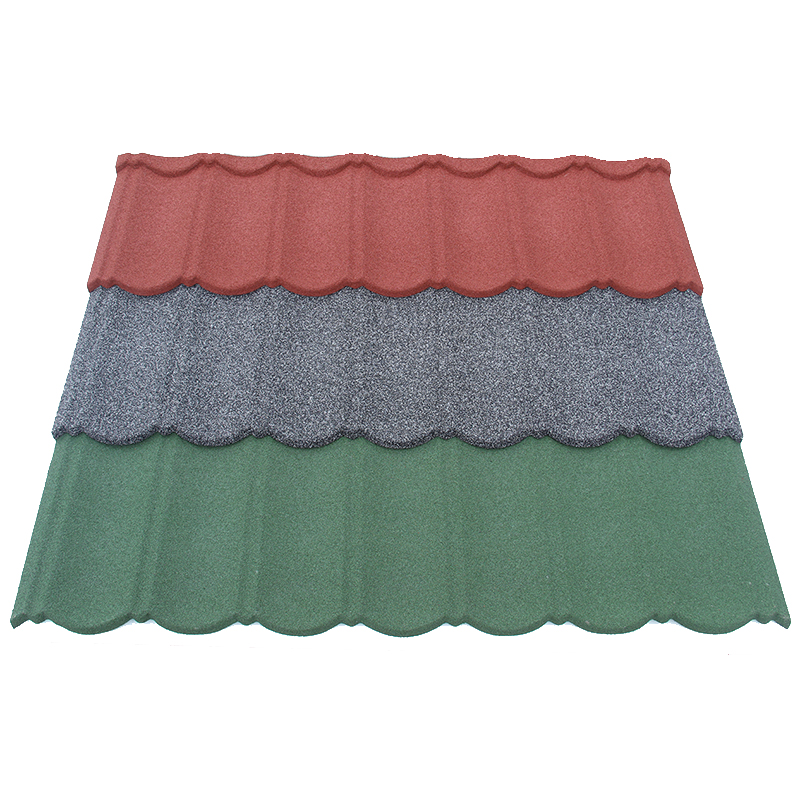
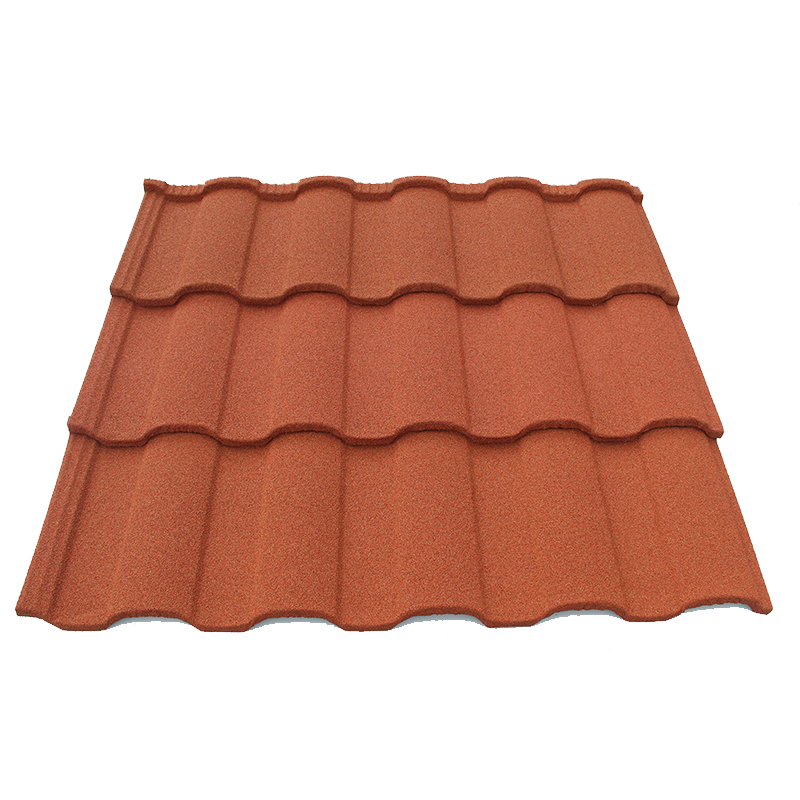
Projects near wildfire interface zones need Class A fire documentation for a profile such as Roman Tile, matched to the specific underlayment combination being installed.
Impact Rating for Hail-Prone Regions
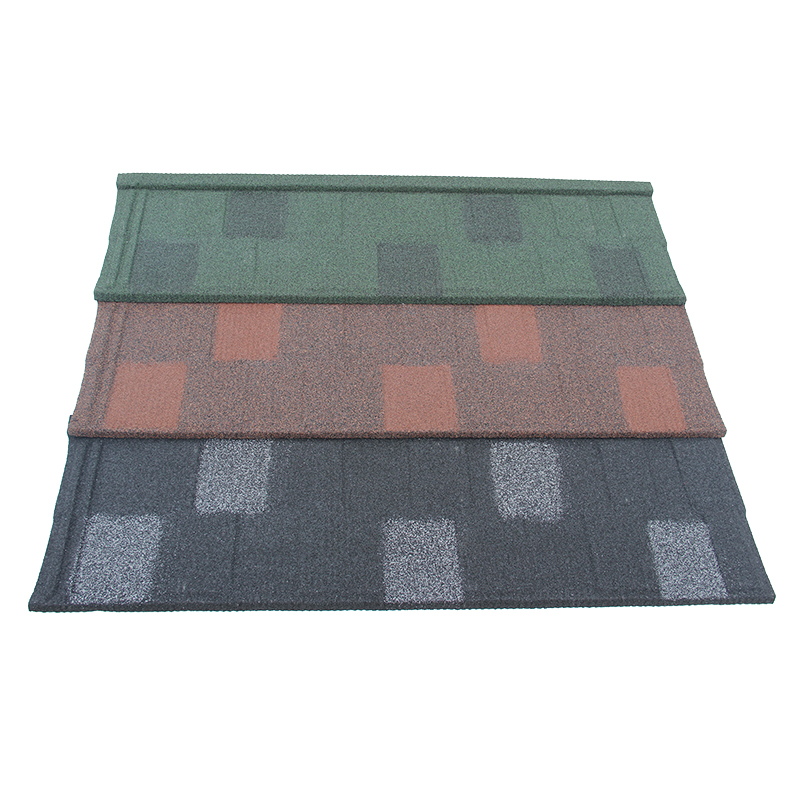
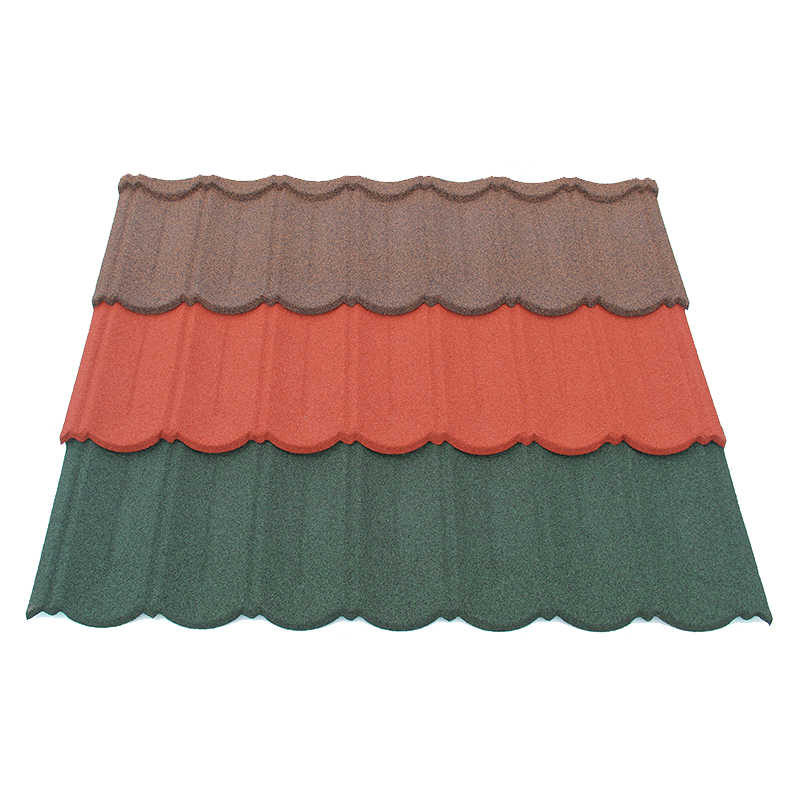
Buyers in hail-prone areas should request Class 4 impact test certificates for a profile like Shingle Tile, confirming the rating applies to the exact gauge being purchased.
Regional Compliance for International Markets
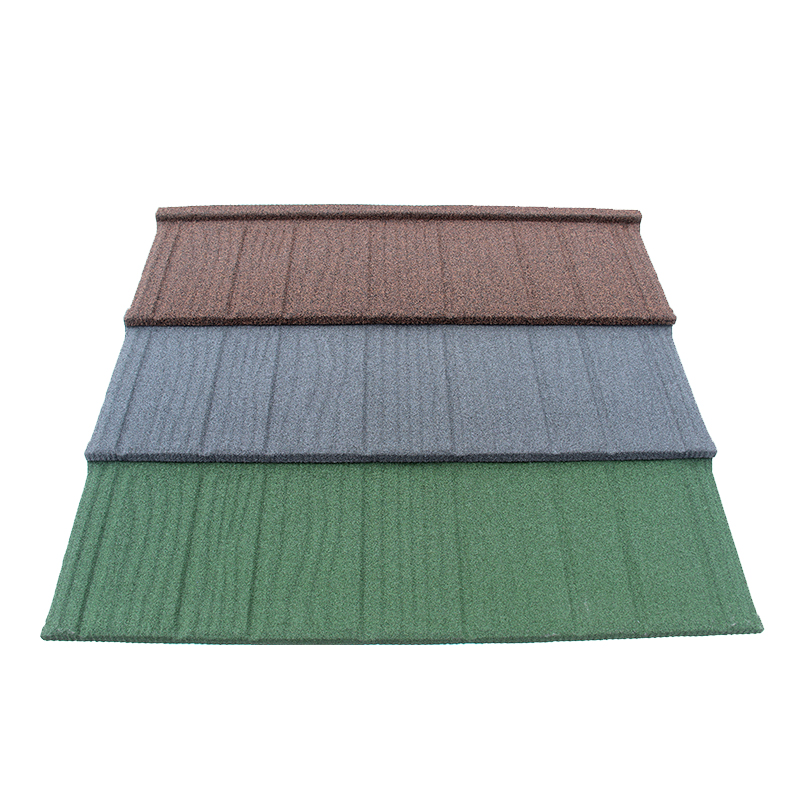
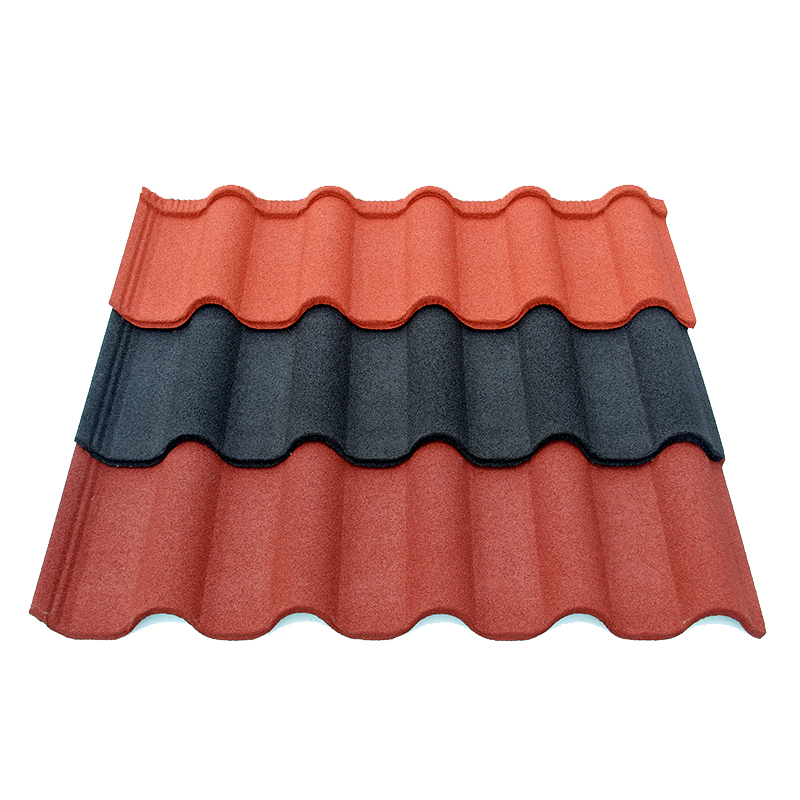
Buyers importing a profile like Milano Tile into a regulated market should confirm regional compliance certificates match that specific destination. Manufacturers such as JCROOF support this process by maintaining documentation across multiple regional standards. A textured profile like Shake Tile deserves the same verification, since certification can vary between a manufacturer’s different product lines.
Common Mistakes When Evaluating Manufacturer Certifications
Buyers reviewing certifications tend to repeat a few specific mistakes. Recognizing these patterns helps avoid relying on documentation that does not actually apply.
Accepting a Certificate Without Confirming It Matches the Product
A certificate might apply to a different gauge or profile than the one actually being purchased. Always confirm the certificate matches the exact product under consideration.
Assuming Brand-Wide Certification Covers Every Product Line
A strong certification for one product does not guarantee the same testing exists for every item in a manufacturer’s catalog. Each profile and gauge combination may need separate verification.
Skipping Independent Verification of Certificate Authenticity
A certificate image alone can be outdated or altered. Checking directly with the issuing organization confirms the document is current and genuine.
- Request the specific certificate, not just a summary marketing claim
- Confirm the certificate matches your exact profile and gauge
- Verify regional compliance certificates for your specific destination market
- Check certificate authenticity directly with the issuing organization
- Ask for updated documentation if a certificate appears several years old
Building a Certification Verification Checklist
A documented verification process protects buyers across every purchase, not just a single order. Applying the same standard consistently builds confidence in a manufacturer’s actual production quality.
Questions to Ask Any Roofing Tile Manufacturer
Ask which certifications apply to your exact profile and destination market. Request the actual certificate documents, along with the date of the most recent testing.
Roofing material certifications reveal far more about actual product performance than marketing language ever could. Buyers who verify quality management, performance testing, and regional compliance certificates directly make sourcing decisions built on documented fact rather than general reputation.